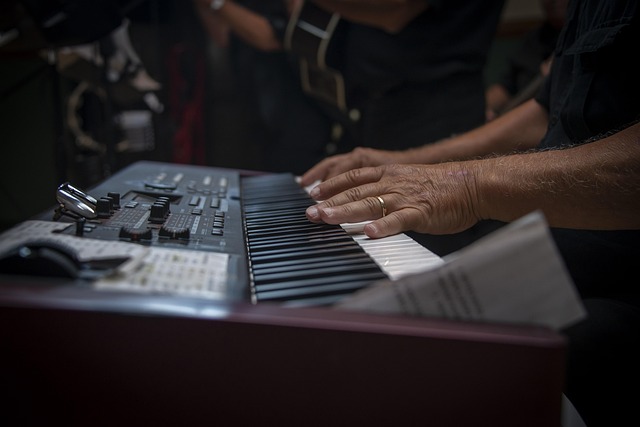
- A recent study confirms that pianists’ technique can indeed change the tone color of a piano note.
- Elite pianists use subtle techniques such as varying speed and pressure to manipulate keys.
- These techniques can be imperceptible to the naked eye but are audible to listeners.
- The study used a cutting-edge sensor system to track piano key movements at 1,000 frames per second.
- The findings have significant implications for our understanding of music performance.
Can a pianist’s touch really change the tone color of a piano note? This question has puzzled pianists and music teachers for over a century, with some arguing that it’s all in the listener’s imagination. However, a recent study has finally provided an answer, and it’s a resounding yes. By using a cutting-edge sensor system to track piano key movements at 1,000 frames per second, scientists have discovered that elite pianists subtly manipulate keys in ways that listeners can genuinely hear, even if they’ve never played piano before.
Uncovering the Secret to Tone Color

The study’s findings are significant because they confirm what many pianists have long suspected: that the way they touch the keys can affect the sound produced. According to the research, elite pianists use a range of subtle techniques to manipulate the keys, including varying the speed and pressure of their touch. These techniques, which can be imperceptible to the naked eye, are picked up by the sensor system and can be heard by listeners. As sciencedaily.com reports, the study’s lead author noted that the findings have important implications for our understanding of music performance.
Evidence from the World of Music

The study’s findings are backed up by data from the music world. Many famous pianists, including Lang Lang and Maurizio Pollini, have spoken about the importance of touch in their playing. As Lang Lang told the New York Times, the key to good playing is not just about hitting the right notes, but about bringing out the right tone color. The study’s findings provide scientific evidence to support this claim, and demonstrate that the way a pianist touches the keys can have a profound impact on the sound produced.
Counter-Perspectives and Criticisms

Not everyone is convinced by the study’s findings, however. Some skeptics argue that the differences in tone color are too subtle to be detectable by the average listener, and that other factors, such as the piano’s mechanics and the room’s acoustics, play a much bigger role in determining the sound produced. Others argue that the study’s methodology is flawed, and that the sensor system used to track key movements is not sophisticated enough to capture the full range of techniques used by elite pianists. While these criticisms are valid, they do not detract from the study’s main finding: that pianists’ touch can and does affect tone color.
Real-World Impact and Implications

The study’s findings have significant implications for the world of music. For pianists, the study provides scientific evidence to support the importance of developing a nuanced and expressive touch. For piano manufacturers, the study highlights the need to design instruments that are sensitive to the subtleties of a pianist’s touch. And for listeners, the study provides a new appreciation for the skill and craftsmanship that goes into playing the piano. As the study’s lead author noted, the findings have the potential to revolutionize our understanding of music performance and to inspire a new generation of pianists.
What This Means For You
So what does this study mean for you, the listener? It means that the next time you attend a piano concert, you can appreciate the skill and craftsmanship that goes into playing the piano. It means that you can listen to music with a newfound appreciation for the subtleties of tone color and the techniques used to produce them. And it means that you can explore the world of piano music with a fresh pair of ears, discovering new sounds and new artists along the way.
But the study also raises more questions than it answers. What other secrets lie behind the art of piano playing? How can pianists develop the subtle techniques needed to produce a wide range of tone colors? And what role does technology play in enhancing or diminishing the sound of the piano? These are questions that will continue to inspire research and debate in the years to come, and that will keep the world of piano music fresh and exciting for generations to come.
Source: ScienceDaily