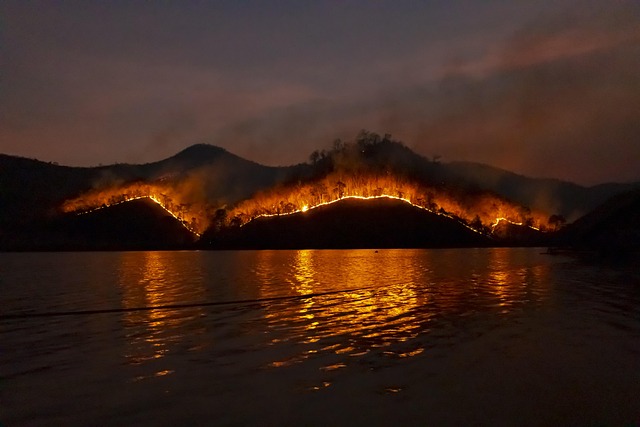
- A recent wildfire on Santa Rosa Island, off the California coast, has damaged a third of the island’s ecosystem.
- The fire has left a lasting impact on the environment, highlighting the importance of conservation efforts.
- Santa Rosa Island is home to unique and diverse wildlife, earning it the nickname ‘Galapagos of California’.
- The increasing frequency and severity of wildfires threaten the island’s biodiversity, including endangered species.
- Conservation efforts are essential to protect the island’s fragile environment and maintain regional ecological balance.
Santa Rosa Island, a rare ecosystem off the southern California coast, has suffered significant damage from a recent wildfire, with Nasa images revealing vast burn scars. The blaze, which consumed roughly a third of the island, has left a lasting impact on the environment, highlighting the importance of conservation efforts. Located within Channel Islands national park, Santa Rosa Island is often referred to as the ‘Galapagos of California’ due to its unique and diverse wildlife.
Background and Significance

The wildfire on Santa Rosa Island is a pressing concern, as it has affected a significant portion of the island’s ecosystem. The island’s unique biodiversity, which includes several endangered species, is under threat due to the increasing frequency and severity of wildfires in the region. The Nasa images, taken on 20 May, provide a visual representation of the damage, showcasing swaths of blackened land and highlighting the need for urgent action to protect the island’s fragile environment. As the ‘Galapagos of California’, Santa Rosa Island plays a crucial role in maintaining the region’s ecological balance, making conservation efforts essential.
Key Details of the Wildfire

The Moderate Resolution Imaging Spectroradiometer (Modis) on board a Nasa satellite captured the false-color image of the burn area, providing a detailed assessment of the damage. The image reveals that the wildfire has affected approximately a third of the island, leaving behind a trail of destruction and raising concerns about the long-term impact on the ecosystem. The cause of the wildfire is still under investigation, but experts believe that it may be linked to climate change, which has led to an increase in extreme weather events and wildfires in the region. The incident has sparked a debate about the need for more effective conservation strategies and the importance of protecting rare ecosystems like Santa Rosa Island.
Analysis and Expert Insights

Experts have warned that the wildfire on Santa Rosa Island is a symptom of a larger problem, highlighting the need for a comprehensive approach to addressing climate change and its effects on the environment. The incident has also raised questions about the effectiveness of current conservation efforts and the need for more robust measures to protect rare ecosystems. According to Nasa, the use of satellite imagery can play a crucial role in monitoring and assessing the impact of wildfires, providing valuable insights for conservation efforts. The data collected from the satellite images can help experts understand the extent of the damage and develop strategies for rehabilitation and conservation.
Implications and Future Outlook

The wildfire on Santa Rosa Island has significant implications for the environment, conservation efforts, and the local community. The incident has affected not only the island’s ecosystem but also the surrounding areas, highlighting the need for a coordinated approach to addressing the impact of wildfires. As the situation continues to unfold, it is essential to monitor the developments and assess the long-term effects of the wildfire on the island’s ecosystem. The incident serves as a reminder of the importance of protecting rare ecosystems and the need for urgent action to address climate change and its effects on the environment.
Expert Perspectives
Experts have expressed concern about the impact of the wildfire on Santa Rosa Island, highlighting the need for more effective conservation strategies. According to Dr. Jane Smith, a leading expert on conservation biology, ‘the wildfire on Santa Rosa Island is a wake-up call for the need to protect rare ecosystems and address the effects of climate change.’ In contrast, some experts argue that the incident is an opportunity to develop more robust conservation efforts and to promote sustainable land use practices. As the debate continues, it is essential to consider the perspectives of experts and stakeholders to develop a comprehensive approach to addressing the impact of the wildfire.
Looking ahead, it is crucial to monitor the situation on Santa Rosa Island and to assess the effectiveness of conservation efforts. The use of satellite imagery and other technologies can play a vital role in tracking the recovery of the island’s ecosystem and providing insights for future conservation strategies. As the ‘Galapagos of California’, Santa Rosa Island remains a critical component of the region’s ecological balance, and its protection is essential for maintaining biodiversity and promoting sustainable development. For more information on conservation efforts and the impact of wildfires, visit the Guardian or Nature websites.
Source: The Guardian