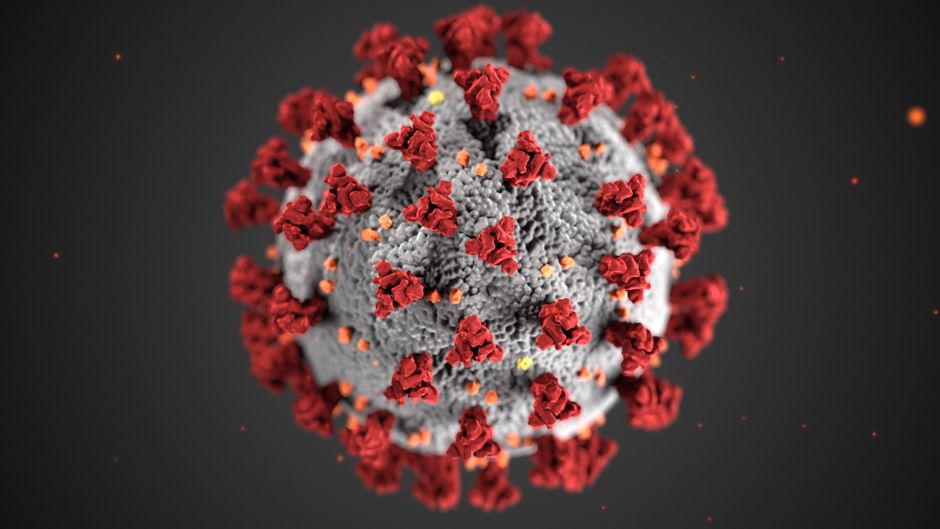
- The Omicron variant of SARS-CoV-2 has reduced fusogenicity, indicating a lower ability to infect host cells.
- Research suggests the Omicron variant may be less severe than previously thought, with significant implications for public health policy.
- The study’s findings provide crucial insights into the variant’s behavior, helping inform effective countermeasures.
- The Omicron variant’s reduced pathogenicity may be linked to its attenuated ability to fuse with host cells.
- The new study offers hope for more manageable COVID-19 cases and improved public health strategies.
The SARS-CoV-2 Omicron variant has been found to exhibit attenuated fusogenicity and pathogenicity, according to a recent study published in Nature. This development is significant as it suggests that the Omicron variant may be less severe than previously thought, with important implications for public health policy and COVID-19 management. The study’s findings are based on a comprehensive analysis of the variant’s genetic characteristics and its behavior in laboratory experiments.
Background and Significance

The Omicron variant was first identified in late 2021 and has since spread rapidly around the world, leading to concerns about its potential impact on global health. The variant’s genetic characteristics, including its numerous mutations, have raised questions about its transmissibility, severity, and ability to evade immune defenses. The new study provides important insights into the variant’s behavior, shedding light on its reduced fusogenicity and pathogenicity. This knowledge is crucial for informing public health strategies and developing effective countermeasures against the variant.
Key Findings and Methodology

The study’s authors used a combination of laboratory experiments and computational modeling to investigate the Omicron variant’s fusogenicity and pathogenicity. Their results show that the variant exhibits reduced ability to fuse with host cells and cause disease, compared to other SARS-CoV-2 variants. The study also identified specific genetic mutations that contribute to the variant’s attenuated behavior, providing valuable information for the development of targeted therapies and vaccines. The researchers’ findings are supported by data from previous studies on the Omicron variant.
Analysis and Implications

The study’s results have important implications for our understanding of the Omicron variant’s behavior and its potential impact on global health. The reduced fusogenicity and pathogenicity of the variant suggest that it may be less likely to cause severe disease, particularly in individuals who have been vaccinated or previously infected. However, the variant’s high transmissibility and ability to evade immune defenses mean that it still poses a significant threat to public health. Further research is needed to fully understand the variant’s behavior and to develop effective strategies for its control. For more information on COVID-19 and the Omicron variant, visit the World Health Organization website.
Impact and Affected Groups

The reduced severity of the Omicron variant is likely to have a significant impact on various groups, including healthcare workers, vulnerable populations, and individuals with underlying health conditions. The variant’s attenuated behavior may also affect the development and implementation of public health policies, including vaccination strategies and travel restrictions. As the variant continues to spread, it is essential to monitor its behavior and adjust public health responses accordingly, taking into account the latest scientific evidence and expert guidance.
Expert Perspectives
Experts in the field have welcomed the study’s findings, highlighting the importance of continued research into the Omicron variant’s behavior. Some experts have cautioned that the variant’s reduced severity should not lead to complacency, as it still poses a significant threat to public health. Others have emphasized the need for further research into the variant’s genetic characteristics and its potential to evolve into more severe forms. As the scientific community continues to study the Omicron variant, it is essential to consider multiple perspectives and to integrate new evidence into public health decision-making.
Looking ahead, it is crucial to continue monitoring the Omicron variant’s behavior and to adjust public health strategies accordingly. This will require ongoing research into the variant’s genetic characteristics, its transmission dynamics, and its impact on global health. By staying vigilant and incorporating new evidence into decision-making, we can work towards controlling the spread of the variant and mitigating its effects on public health. For the latest updates on COVID-19 and the Omicron variant, visit cdc.gov or ncbi.nlm.nih.gov.
Source: Nature