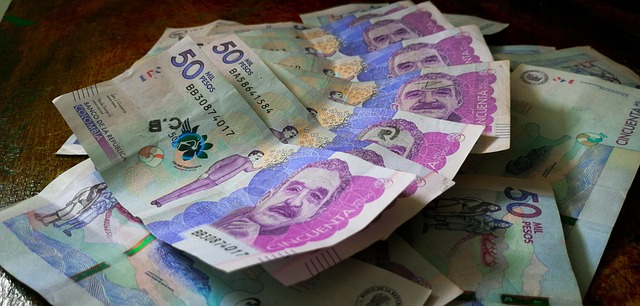
- Colombia’s left-wing government reduced poverty by 10% under President Gustavo Petro’s leadership.
- The government’s efforts to address poverty and inequality come with a significant fiscal burden, threatening the sustainability of social gains.
- Colombia’s debt-to-GDP ratio has risen, posing a major challenge for the next president.
- The country’s economic growth has been driven by social programs and investments, but at the cost of increased public spending.
- The international community is closely monitoring Colombia’s economic situation, given its potential impact on regional stability.
Colombia’s first left-wing government, led by President Gustavo Petro, has achieved a significant reduction in poverty, with a 10 percent drop in the poverty rate since taking office. However, this social gain has come at a cost, as the country’s debt has continued to pile up, posing a major challenge for the next president. The current administration’s efforts to address poverty and inequality have been notable, but the fiscal implications of these policies will need to be carefully managed to ensure their sustainability.
Current Economic Situation

The Colombian economy has experienced a period of growth, driven in part by the government’s social programs and investments in key sectors such as infrastructure and agriculture. However, this growth has been accompanied by a significant increase in public spending, which has put pressure on the country’s finances. The debt-to-GDP ratio has risen, and the government is facing a major challenge in terms of how to reduce this debt without sacrificing the social gains that have been achieved. The international community is watching Colombia’s economic situation closely, given its potential impact on regional stability.
Historical Context

Colombia’s history has been marked by significant social and economic inequalities, which have been exacerbated by decades of conflict and instability. The election of President Petro marked a significant shift in the country’s politics, as he campaigned on a platform of social and economic change. The current government’s efforts to address poverty and inequality are part of a broader effort to reduce social and economic disparities and promote more inclusive growth. This approach is informed by the country’s experiences with conflict and violence, which have had a devastating impact on communities and the economy as a whole.
Key Players and Motivations

President Petro and his administration are key players in shaping Colombia’s economic and social policies. Their motivations are rooted in a commitment to reducing poverty and inequality, and promoting more inclusive growth. However, they are also aware of the need to manage the country’s finances effectively and ensure that the social gains that have been achieved are sustainable in the long term. The international community is also playing a role, as Colombia seeks to attract investment and support for its economic development plans.
Consequences and Implications

The consequences of Colombia’s debt challenge are significant, and will have major implications for the country’s economic and social development. If the debt is not managed effectively, it could lead to a reduction in public spending, which would undermine the social gains that have been achieved. This, in turn, could have significant social and political implications, as communities that have benefited from the government’s social programs may feel that their interests are being sacrificed. The next president will need to balance the need to reduce debt with the need to protect the social gains that have been achieved, and promote more inclusive and sustainable growth.
The Bigger Picture
Colombia’s debt challenge is part of a broader regional trend, as many countries in Latin America struggle to manage their finances and promote more inclusive growth. The global economy is also experiencing a period of significant uncertainty, which is having an impact on countries such as Colombia that are heavily reliant on exports and foreign investment. As such, Colombia’s ability to manage its debt and promote sustainable growth will have significant implications for the region as a whole, and will be closely watched by the international community.
In conclusion, Colombia’s first left-wing government has achieved significant social gains, but faces a major challenge in terms of managing the country’s debt. The next president will need to balance the need to reduce debt with the need to protect the social gains that have been achieved, and promote more inclusive and sustainable growth. As the country looks to the future, it is clear that careful management of the economy and a commitment to social and economic development will be essential for promoting peace, stability, and prosperity in Colombia.
Source: Al Jazeera