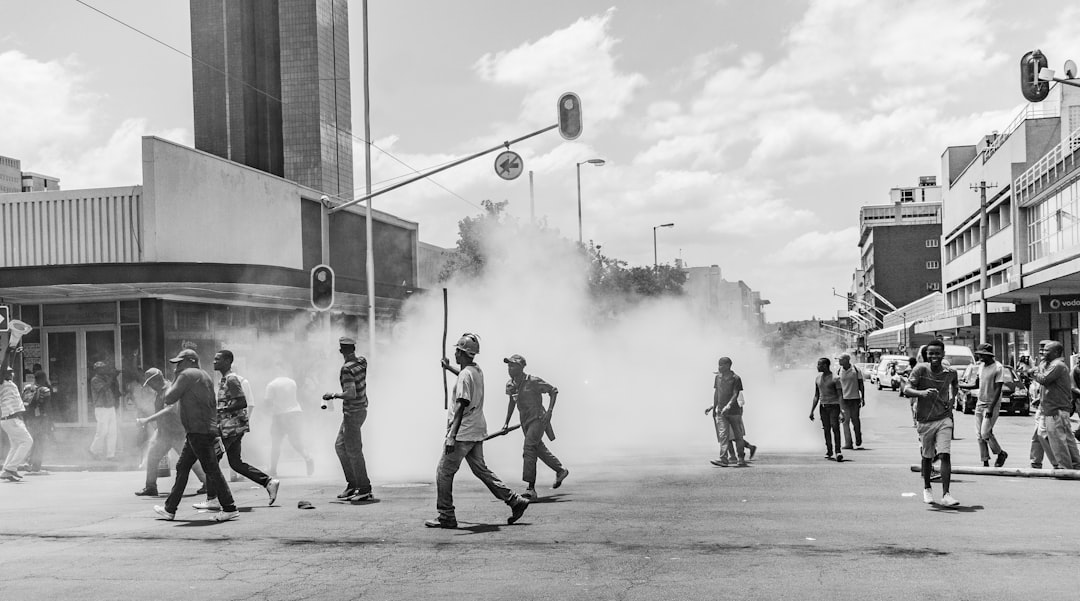
- Ghana has welcomed its first group of migrants fleeing South Africa amid anti-immigration protests, providing refuge to those subjected to violence and intimidation.
- The crisis in South Africa has displaced thousands of migrants, many of whom are now seeking refuge in neighboring countries.
- Economic hardship and high unemployment in South Africa have exacerbated tensions between locals and migrant communities.
- The Ghanaian government’s decision to welcome migrants highlights the need for regional cooperation in addressing the crisis.
- The repatriation effort has been coordinated by the Ghanaian government, in collaboration with international organizations and NGOs.
Ghana has welcomed the first group of migrants fleeing South Africa amid a wave of anti-immigration protests. The repatriation effort came after recent weeks of unrest, which has put pressure on governments in the region to provide support to those affected. The Ghanaian government has taken a significant step in providing refuge to these migrants, many of whom have been subjected to violence and intimidation in South Africa.
Background to the Crisis

The anti-immigration protests in South Africa have been ongoing for several weeks, with many migrants facing violence and harassment. The situation has been exacerbated by economic hardship and high unemployment in the country, leading to tensions between locals and migrant communities. The Ghanaian government’s decision to welcome migrants fleeing the unrest is a significant development, as it highlights the need for regional cooperation in addressing the crisis. According to reports, the protests have resulted in the displacement of thousands of migrants, many of whom are now seeking refuge in neighboring countries.
Key Details of the Repatriation Effort

The repatriation effort has been coordinated by the Ghanaian government, in collaboration with international organizations and NGOs. The first group of migrants to arrive in Ghana consisted of several dozen individuals, who were provided with food, shelter, and medical care upon their arrival. The Ghanaian government has pledged to continue providing support to migrants fleeing the unrest in South Africa, and has called on other governments in the region to do the same. The international community has also been urged to provide assistance to those affected by the crisis.
Analysis of the Crisis

The anti-immigration protests in South Africa have been driven by a complex mix of economic, social, and political factors. The country’s high unemployment rate and economic hardship have created tensions between locals and migrant communities, which have been exacerbated by the recent unrest. Experts have warned that the crisis has the potential to destabilize the entire region, and have called for urgent action to address the root causes of the problem. According to analysts, the crisis is a symptom of deeper issues, including poverty, inequality, and lack of opportunities.
Implications of the Crisis

The implications of the crisis are far-reaching, with potential consequences for regional stability and economic development. The displacement of thousands of migrants has created a humanitarian crisis, which requires a coordinated response from governments and international organizations. The Ghanaian government’s decision to welcome migrants fleeing the unrest is a significant step in addressing the crisis, but more needs to be done to provide support to those affected. The United Nations has also been urged to play a more active role in addressing the crisis.
Expert Perspectives
Experts have offered contrasting viewpoints on the crisis, with some calling for a more nuanced approach to addressing the root causes of the problem. Others have warned that the crisis has the potential to create a domino effect, with far-reaching consequences for regional stability. According to experts, the crisis is a wake-up call for governments in the region to address the deeper issues driving the unrest.
Looking ahead, it is unclear what the future holds for migrants fleeing the unrest in South Africa. The Ghanaian government’s decision to welcome migrants is a significant step, but more needs to be done to provide support to those affected. The international community will be watching closely to see how the crisis unfolds, and what action is taken to address the root causes of the problem. As the situation continues to evolve, it is likely that we will see a more coordinated response from governments and international organizations to address the humanitarian crisis.
Source: Al Jazeera