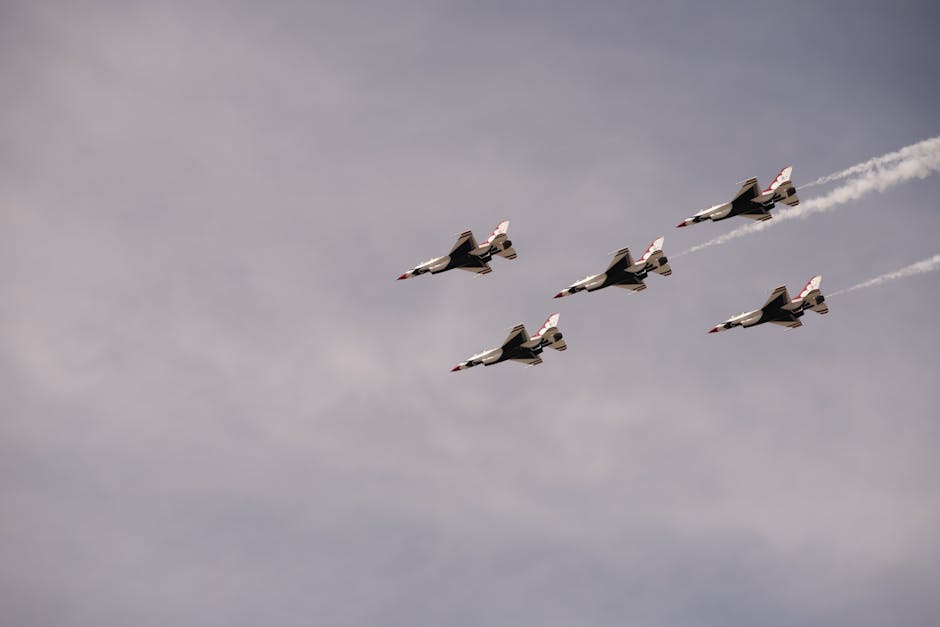
- Israeli warplanes have been intensifying airstrikes against Hezbollah in southern Lebanon, causing significant damage and disruption.
- The conflict between Israel and Hezbollah has its roots in years of tension and complex geopolitics in the region.
- Israel views Hezbollah as a significant threat to national security, citing the group’s ties to Iran and military activities.
- The international community is likely to play a key role in resolving the conflict, with the United States being a key ally of Israel.
- The escalation of violence raises concerns about the potential for further violence and instability in the region.
Israeli warplanes have been circling over southern Lebanon, striking targets across the country as Israel intensifies its deadly military campaign against Hezbollah, the Iran-backed militant group. The recent escalation has resulted in increased airstrikes, with residents watching as Israeli jets fly overhead, raising concerns about the potential for further violence. The campaign, which has been ongoing for several days, has already caused significant damage and disruption to daily life in Lebanon. The main entity involved, Hezbollah, has been a major target of Israeli military action in recent years, with the Israeli government viewing the group as a significant threat to national security.
Background and Context

The current situation in Lebanon is a culmination of years of tension between Israel and Hezbollah, with the two sides having clashed on numerous occasions. The conflict has its roots in the complex geopolitics of the region, with Hezbollah receiving significant backing from Iran, a key player in the Middle East. The recent escalation is likely a response to perceived threats from Hezbollah, with Israel seeking to assert its military dominance and protect its national interests. The situation is further complicated by the presence of other regional actors, including the United States, which has historically been a key ally of Israel. As the conflict continues to unfold, it is likely that the international community will play an increasingly important role in shaping the outcome.
Key Details of the Conflict

The military campaign against Hezbollah has involved a series of airstrikes and other military operations, with Israeli forces targeting suspected Hezbollah positions and infrastructure. The campaign has resulted in significant damage to buildings and other structures, with reports of civilian casualties and displacement. The Israeli government has stated that the campaign is aimed at degrading Hezbollah’s military capabilities and preventing the group from posing a threat to Israeli national security. However, the campaign has also been criticized by some as being disproportionate and potentially counterproductive, with concerns that it could exacerbate the conflict and lead to further instability in the region. As the situation continues to evolve, it is likely that the international community will be watching closely to see how the conflict unfolds and what steps are taken to address the underlying issues.
Analysis and Implications

The current conflict between Israel and Hezbollah has significant implications for the region and beyond. The escalation of violence has raised concerns about the potential for further instability and the impact on civilians, with the United Nations and other organizations calling for restraint and a return to diplomacy. The conflict also has significant geopolitical implications, with the involvement of regional actors such as Iran and the United States. As the situation continues to unfold, it is likely that the international community will be seeking to play a role in shaping the outcome and promoting a peaceful resolution. According to reports from the New York Times, the conflict has already resulted in significant humanitarian needs, with many civilians displaced or affected by the violence.
Humanitarian Impact

The conflict between Israel and Hezbollah has had a significant impact on civilians, with many affected by the violence and displacement. The humanitarian situation is likely to worsen as the conflict continues, with concerns about access to basic necessities such as food, water, and shelter. The international community has been calling for restraint and a return to diplomacy, with organizations such as the United Nations and the World Health Organization working to address the humanitarian needs of those affected. As the situation continues to evolve, it is likely that the humanitarian impact will be a key focus of attention, with efforts to promote a peaceful resolution and address the underlying issues driving the conflict.
Expert Perspectives
Experts have been weighing in on the conflict, with some expressing concerns about the potential for further escalation and the impact on civilians. According to some analysts, the conflict is likely to continue until a diplomatic solution is reached, with the international community playing a key role in shaping the outcome. Others have expressed concerns about the potential for the conflict to draw in other regional actors, with the involvement of countries such as Iran and the United States potentially exacerbating the situation. As the situation continues to unfold, it is likely that expert perspectives will be closely watched, with many seeking to understand the implications of the conflict and the potential for a peaceful resolution.
Looking ahead, it is unclear what the future holds for the conflict between Israel and Hezbollah. However, it is likely that the international community will be seeking to play a role in promoting a peaceful resolution and addressing the underlying issues driving the conflict. As the situation continues to evolve, it will be important to watch for developments and to consider the potential implications of the conflict for the region and beyond. With the involvement of regional actors and the potential for further escalation, it is likely that the conflict will remain a key focus of attention in the coming days and weeks.
Source: The New York Times