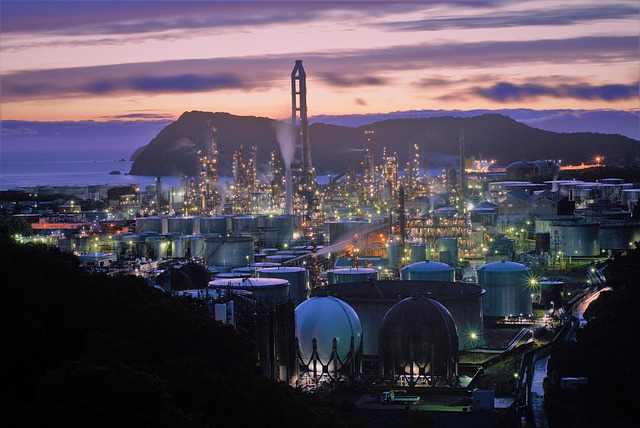
- Morocco has surpassed Egypt and South Africa to become the top industrialised country in Africa.
- Morocco’s rise to the top spot is a significant milestone for the North African country’s industrialisation efforts.
- Morocco’s progress in industrialisation is driven by its efforts to diversify its economy and promote development.
- North Africa leads the way in Africa’s industrialisation landscape, with Morocco at the forefront.
- Despite Morocco’s progress, many African countries continue to face significant challenges in their industrialisation efforts.
Morocco has topped Africa’s industrialisation index for the first time, according to a recent report, with the North African country overtaking Egypt and South Africa in the rankings. This development marks a significant milestone for Morocco, which has been actively pursuing industrialisation efforts in recent years. The index, which measures a country’s industrial development, highlights Morocco’s progress in this area and its potential to drive economic growth in the region.
Current Industrialisation Trends in Africa

The current situation in Africa’s industrialisation landscape is characterised by slow and uneven progress, with North Africa leading the way. Morocco’s rise to the top of the index is a testament to the country’s efforts to diversify its economy and promote industrial development. However, despite this progress, many African countries continue to face significant challenges in their industrialisation efforts, including inadequate infrastructure, limited access to finance, and a lack of skilled workforce. As a result, the continent’s industrialisation process remains hindered, and more needs to be done to address these challenges and promote sustainable economic growth.
Historical Context of Africa’s Industrialisation

The story behind Africa’s industrialisation efforts is complex and multifaceted, with the continent’s history of colonialism and dependence on primary commodities playing a significant role. In the past, many African countries focused on extracting and exporting natural resources, rather than developing their manufacturing sectors. However, in recent years, there has been a shift towards promoting industrialisation and economic diversification, with countries like Morocco, Egypt, and South Africa leading the way. This shift is driven by the recognition that industrialisation is key to creating jobs, promoting economic growth, and reducing poverty in Africa. For more information on Africa’s economic history, visit the Wikipedia page on Africa’s economic history.
Key Players in Africa’s Industrialisation

The key players shaping Africa’s industrialisation efforts are governments, private sector companies, and international organisations. Governments are playing a crucial role in promoting industrialisation by implementing policies and strategies to support the development of manufacturing sectors. Private sector companies, on the other hand, are investing in industrial projects and creating jobs in the sector. International organisations, such as the African Development Bank, are also providing support to African countries to promote industrialisation and economic growth. The motivations behind these efforts are varied, but ultimately, they are driven by the desire to promote economic development and reduce poverty in Africa.
Consequences of Africa’s Industrialisation Efforts

The consequences of Africa’s industrialisation efforts are far-reaching and have significant implications for stakeholders across the continent. For African countries, industrialisation offers the potential to create jobs, promote economic growth, and reduce poverty. However, it also poses challenges, such as the need to develop adequate infrastructure, promote entrepreneurship, and address environmental concerns. For international investors, Africa’s industrialisation efforts present opportunities for investment and growth, but also require careful consideration of the risks and challenges involved. As the continent continues to industrialise, it is essential to ensure that the benefits of this process are shared equitably and that the negative consequences are mitigated.
The Bigger Picture
Africa’s industrialisation efforts are part of a broader global trend, with many countries recognising the importance of industrial development in promoting economic growth and reducing poverty. The African Continental Free Trade Area (AfCFTA) agreement, which aims to promote trade and economic integration across the continent, is also expected to play a significant role in promoting industrialisation in Africa. As the continent continues to industrialise, it is essential to consider the broader implications of this process, including its potential impact on global trade patterns, economic growth, and poverty reduction. For more information on the AfCFTA agreement, visit the BBC News page on AfCFTA.
In conclusion, Morocco’s rise to the top of Africa’s industrialisation index is a significant development that highlights the country’s progress in promoting industrial development. As the continent continues to industrialise, it is essential to ensure that the benefits of this process are shared equitably and that the negative consequences are mitigated. Looking ahead, it will be important to monitor the progress of Africa’s industrialisation efforts and to provide support to countries that are working to promote economic development and reduce poverty. With the right policies and investments in place, Africa has the potential to become a major player in the global economy, and its industrialisation efforts will be a key driver of this growth.
Source: Al Jazeera