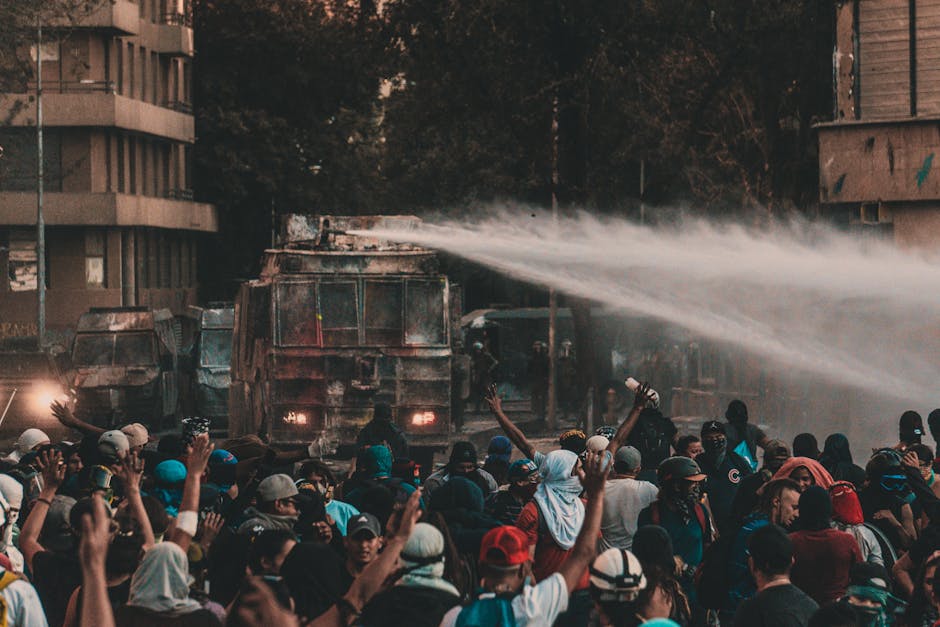
- Ghana has initiated the repatriation of its citizens from South Africa due to rising xenophobic tensions.
- Anti-immigrant protests in South Africa have sparked fears of violence against foreign nationals.
- The Ghanaian government is evacuating its citizens as a precautionary measure to ensure their safety.
- The repatriation effort highlights the need for urgent action to protect migrants’ rights in South Africa.
- The South African government has been criticized for its handling of the crisis and addressing the root causes of unrest.
Ghana has initiated the repatriation of its citizens from South Africa, following a wave of anti-immigrant protests that have sparked fears of a resurgence in xenophobic violence. The Ghanaian government’s decision to evacuate its citizens comes as a precautionary measure to ensure their safety, as tensions between South African locals and foreign nationals continue to escalate. The repatriation effort is a significant development in the ongoing crisis, highlighting the need for urgent action to protect the rights and well-being of migrants in the region.
Current Tensions in South Africa

The recent protests against illegal immigration in South Africa have created a volatile atmosphere, with many foreign nationals, including Ghanaians, living in fear of persecution and violence. The demonstrations have been marked by clashes between protesters and police, as well as reports of looting and vandalism targeting foreign-owned businesses. As the situation continues to deteriorate, the Ghanaian government’s decision to repatriate its citizens is seen as a necessary step to prevent further harm and ensure their safe return home. The South African government has also been criticized for its handling of the crisis, with many arguing that more needs to be done to address the root causes of the unrest and protect the rights of migrants.
Historical Context of Xenophobia in South Africa

The current wave of anti-immigrant sentiment in South Africa is not an isolated incident, but rather part of a larger pattern of xenophobic violence that has plagued the country for decades. In 2008, a series of violent attacks against foreign nationals resulted in the deaths of over 60 people, with many more displaced. Similar incidents have occurred in subsequent years, highlighting the deep-seated tensions and prejudices that exist between South African locals and migrant communities. The ongoing protests are a stark reminder of the need for sustained efforts to address the underlying issues driving xenophobia and promote greater understanding and tolerance between different groups.
Key Players and Motivations

The Ghanaian government’s decision to repatriate its citizens has been driven by a desire to protect their safety and well-being, as well as to maintain good relations with the South African government. However, the motivations behind the anti-immigrant protests in South Africa are more complex, with some protesters citing concerns over job competition, crime, and the perceived strain on public resources. Others have been driven by more sinister motives, including racism and xenophobia. As the situation continues to unfold, it is essential to understand the diverse perspectives and interests at play, and to work towards finding solutions that balance the needs and concerns of all parties involved.
Consequences for Migrants and Regional Relations

The repatriation of Ghanaians from South Africa has significant implications for migrants and regional relations. For those being repatriated, the experience will be traumatic, with many having to leave behind their livelihoods, families, and friends. The incident also risks straining relations between Ghana and South Africa, as well as other countries in the region, highlighting the need for greater cooperation and dialogue to address the root causes of xenophobia and promote more effective migration management policies. Furthermore, the crisis has the potential to undermine regional economic integration and cooperation, as well as to exacerbate social and economic inequalities within South Africa.
The Bigger Picture
The ongoing crisis in South Africa is a stark reminder of the need for more effective and sustainable solutions to address the complex challenges surrounding migration. As the global landscape continues to evolve, with more people on the move than ever before, it is essential to prioritize the protection of migrant rights, promote greater understanding and tolerance, and work towards finding solutions that balance the needs and concerns of all parties involved. The incident also highlights the importance of regional cooperation and dialogue, as well as the need for more effective policies to address the root causes of xenophobia and promote social and economic inclusion.
As the situation in South Africa continues to unfold, it is crucial to monitor developments closely and to work towards finding solutions that prioritize the safety, well-being, and dignity of all individuals involved. The Ghanaian government’s decision to repatriate its citizens is a significant step in this direction, but more needs to be done to address the underlying issues driving xenophobia and promote greater understanding and cooperation between different groups. For more information on the crisis, visit the BBC News Africa page, which provides up-to-date coverage and analysis of the situation.
Source: BBC