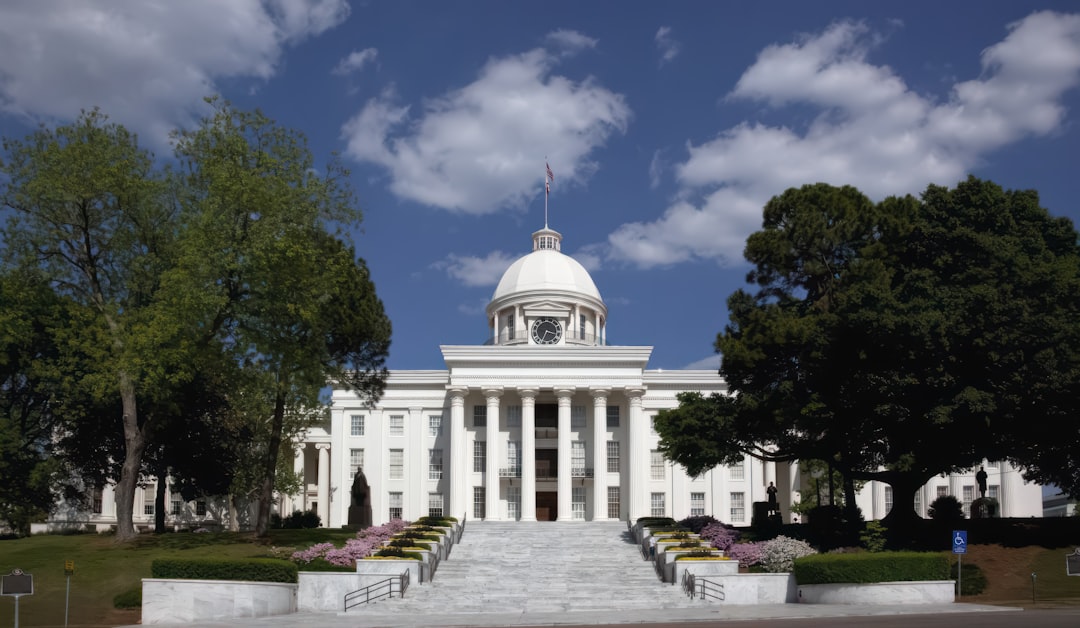
- Alabama’s congressional map, rejected in 2023, is being reconsidered by the US Supreme Court.
- The map’s approval could impact the midterm elections and representation of Alabama’s citizens in Congress.
- Critics argue the map discriminates against Black voters, violating the Voting Rights Act.
- Proponents claim the map ensures evenly distributed congressional districts and doesn’t favor one party.
- The controversy has a long history, dating back to the map’s initial drawing in 2021.
The state of Alabama is urging the US Supreme Court to approve a congressional map that was previously rejected in 2023 due to allegations of racial discrimination. The map, which was drawn by Republican lawmakers, has sparked controversy and raised concerns about the potential disenfranchisement of Black voters. The Supreme Court’s decision on this matter will have significant implications for the upcoming midterm elections and the representation of Alabama’s citizens in Congress.
Current Battle Over the Map

The current battle over Alabama’s congressional map is a culmination of years of debate and litigation. In 2023, a federal court ruled that the map violated the Voting Rights Act by diluting the voting power of Black voters. However, Republicans in the state have revived their push to implement the map, arguing that it is fair and does not discriminate against any particular group. The map’s proponents claim that it is necessary to ensure the state’s congressional districts are evenly distributed and that it does not unfairly advantage any one party. Despite these claims, critics argue that the map is a clear example of gerrymandering and that it will lead to the disenfranchisement of Black voters.
History of the Controversy

The controversy surrounding Alabama’s congressional map has a long and complex history. The map was initially drawn in 2021, following the release of the US Census Bureau’s latest population data. However, the map was quickly challenged by civil rights groups and Democratic lawmakers, who argued that it was designed to favor Republican candidates and dilute the voting power of Black voters. The federal court’s ruling in 2023 was a major victory for these groups, but the Supreme Court’s decision to reconsider the map has raised concerns that the ruling may be overturned. Alabama’s push for the map’s approval has been met with fierce opposition from civil rights groups and Democratic lawmakers.
Key Players in the Debate

The debate over Alabama’s congressional map involves a number of key players, including Republican lawmakers, civil rights groups, and Democratic lawmakers. The Republicans, led by Alabama’s Republican Governor, are pushing for the map’s approval, arguing that it is necessary to ensure the state’s congressional districts are evenly distributed. Civil rights groups, such as the NAACP, are strongly opposed to the map, arguing that it will lead to the disenfranchisement of Black voters. Democratic lawmakers, including Alabama’s Democratic Representative, are also opposed to the map, arguing that it is a clear example of gerrymandering and that it will unfairly advantage Republican candidates. The motivations of these key players are complex and multifaceted, with some driven by a desire to protect the voting rights of Black voters and others driven by a desire to gain a partisan advantage.
Consequences of the Map’s Approval

The consequences of the map’s approval will be significant, with the potential to disenfranchise thousands of Black voters in Alabama. If the Supreme Court rules in favor of the map, it will likely lead to a significant shift in the state’s congressional representation, with Republican candidates gaining an advantage in several districts. This, in turn, could have significant implications for the state’s policies and laws, with Republican lawmakers potentially gaining the power to pass legislation that is opposed by Democratic lawmakers and civil rights groups. The approval of the map will also have broader implications for the country as a whole, with the potential to embolden other states to engage in similar forms of gerrymandering.
The Bigger Picture
The debate over Alabama’s congressional map is part of a larger conversation about the role of gerrymandering in American politics. The practice of gerrymandering, which involves the manipulation of electoral district boundaries for partisan gain, is a major concern for many voters and civil rights groups. The Supreme Court’s decision on Alabama’s map will have significant implications for the future of gerrymandering in the United States, with the potential to either embolden or limit the practice. As the country continues to grapple with issues of voting rights and electoral fairness, the debate over Alabama’s congressional map serves as a powerful reminder of the need for robust protections against gerrymandering and other forms of voter suppression.
The outcome of the Supreme Court’s decision on Alabama’s congressional map is far from certain, but one thing is clear: the consequences of the map’s approval will be significant and far-reaching. As the country awaits the Court’s ruling, voters and civil rights groups will be watching closely, eager to see whether the Court will uphold the principles of electoral fairness and protect the voting rights of all citizens. For more information on the topic, visit The New York Times or AP News for in-depth coverage and analysis.
Source: Al Jazeera