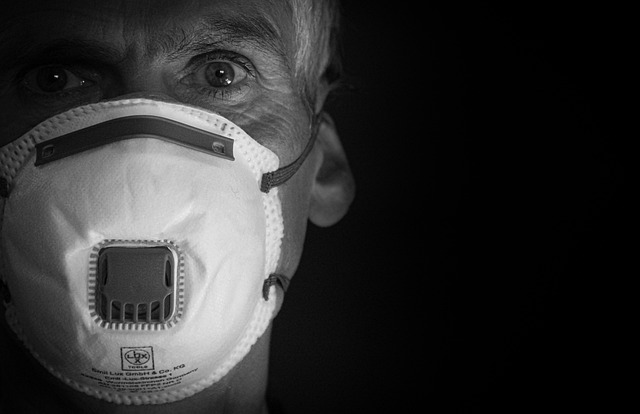
- The US government has blocked repatriation of Ebola-exposed Americans to prevent an outbreak.
- Kenya has agreed to accept Ebola-exposed Americans, redirecting them away from the US.
- The Trump administration is taking a proactive approach to prevent the spread of the virus.
- The CDC is working to screen travelers at airports and monitor the situation closely.
- The WHO is providing guidance and support to affected countries and governments.
The US government has taken a drastic measure to prevent an Ebola outbreak in the country by blocking repatriation of Ebola-exposed Americans and redirecting them to Kenya. This decision, made by the Trump administration, has sparked controversy and raised concerns about the government’s handling of the situation. The move is part of a broader effort to tighten travel restrictions and prevent the spread of the deadly virus.
Evidence of the Outbreak

According to reports, the Centers for Disease Control and Prevention (CDC) has been working to screen travelers at airports, with a Trump official asking CDC staff to volunteer for the task. The CDC has also been monitoring the situation closely, with a focus on preventing the spread of the virus. The World Health Organization (WHO) has also been involved in efforts to combat the outbreak, providing guidance and support to affected countries.
Key Players and Their Roles

The Trump administration has been at the forefront of the response to the Ebola outbreak, with officials taking a proactive approach to preventing the spread of the virus. The CDC has also played a crucial role, working to screen travelers and monitor the situation. Other key players include the WHO, which has been providing guidance and support, and the government of Kenya, which has agreed to accept Ebola-exposed Americans. The CDC has also been working closely with other health organizations to coordinate a response.
Trade-offs and Consequences

The decision to block repatriation of Ebola-exposed Americans and redirect them to Kenya has significant trade-offs and consequences. On one hand, the move aims to prevent an Ebola outbreak in the US, which could have devastating consequences. On the other hand, the decision has raised concerns about the government’s handling of the situation and the potential risks to those affected. The move also raises questions about the government’s commitment to protecting its citizens, particularly in times of crisis.
Timing and Context

The decision to block repatriation of Ebola-exposed Americans and redirect them to Kenya comes at a time of heightened concern about the spread of the virus. The move is part of a broader effort to tighten travel restrictions and prevent the spread of the virus. The WHO has warned about the risks of the virus spreading, and the US government has taken proactive steps to prevent an outbreak.
Where We Go From Here
Looking ahead, there are several possible scenarios for the next 6-12 months. One possible scenario is that the US government’s measures will be effective in preventing an Ebola outbreak, and the situation will be brought under control. Another possible scenario is that the virus will continue to spread, and the US government will be forced to take more drastic measures. A third possible scenario is that the international community will come together to provide support and guidance, and the situation will be resolved through a coordinated effort.
In conclusion, the US government’s decision to block repatriation of Ebola-exposed Americans and redirect them to Kenya is a drastic measure that aims to prevent an Ebola outbreak in the US. While the move has raised concerns and questions, it is part of a broader effort to tighten travel restrictions and prevent the spread of the virus. Ultimately, the situation will require careful monitoring and a coordinated response from the international community.
Source: Ars Technica