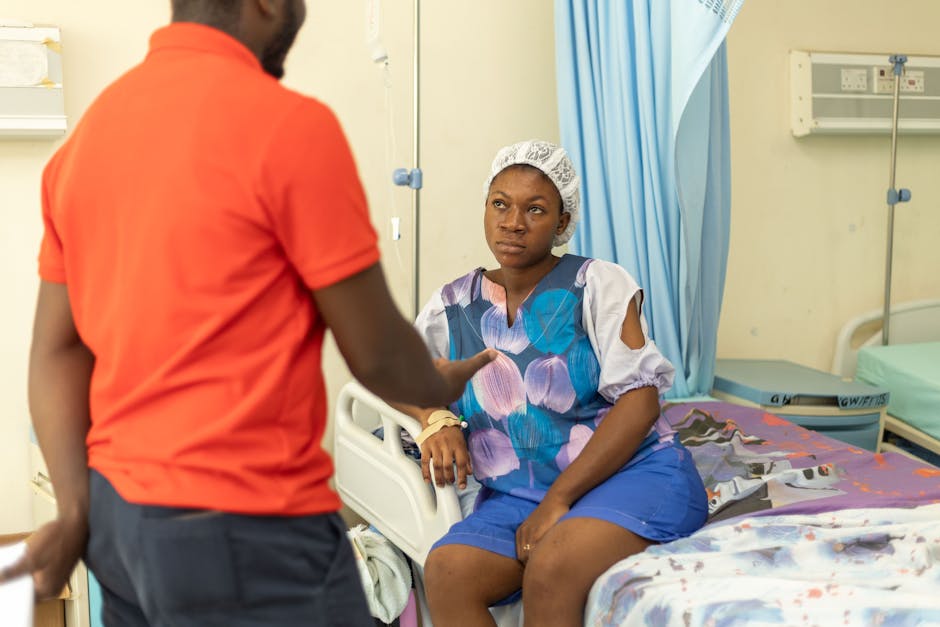
- The US has reversed a long-standing policy of evacuating Ebola-exposed citizens to specialized isolation units in the US.
- The Trump administration sent three American citizens to Kenya for Ebola treatment, citing logistical challenges and enhanced medical infrastructure in East Africa.
- Kenya now hosts US-funded biocontainment units capable of treating highly infectious diseases, developed through joint initiatives with the CDC and African health ministries.
- The decision raises concerns about safety, medical equity, and the administration’s approach to global health crises.
- Ebola’s fatality rate ranges from 25% to 90% in past outbreaks, according to the World Health Organization.
In a departure from longstanding U.S. public health policy, the Trump administration has sent at least three American citizens exposed to Ebola to Kenya for treatment—rather than bringing them home to specialized isolation units. The decision, confirmed by federal health officials, reverses a protocol established during the 2014–2016 West Africa Ebola outbreak, when infected U.S. healthcare workers were evacuated to hospitals like Emory University and the University of Nebraska. The change, implemented quietly in May 2026, raises urgent questions about safety, medical equity, and the administration’s broader approach to global health crises. With Ebola’s fatality rate ranging from 25% to 90% in past outbreaks, according to the World Health Organization, the shift underscores growing tensions between containment logistics and ethical responsibilities to citizens.
Why Did the U.S. Send Ebola-Exposed Citizens to Kenya?

The Trump administration justified the move by citing logistical challenges and enhanced medical infrastructure in East Africa. Officials claim that Kenya now hosts U.S.-funded biocontainment units capable of safely treating highly infectious diseases, developed through joint initiatives between the Centers for Disease Control and Prevention (CDC) and African health ministries. Unlike during the 2014 crisis, when no such facilities existed abroad, the administration argues that treating patients overseas reduces domestic transmission risks and expedites care. However, this rationale marks a sharp policy reversal: in previous outbreaks, the U.S. prioritized repatriating its citizens, even when public fear ran high. The change suggests a broader strategic pivot—away from assuming all high-risk medical care must occur on American soil and toward leveraging global health investments as operational assets. Still, the decision bypassed public consultation and congressional notification, fueling concerns about transparency.
What Evidence Supports the Safety of Overseas Ebola Treatment?

Supporters point to upgrades at the Kenya Medical Research Institute (KEMRI) in Nairobi, which now includes a BSL-4-level isolation wing built with $22 million in U.S. aid between 2020 and 2024. According to a 2025 CDC report, the facility has successfully managed simulated Ebola cases and trained over 400 local and international health workers. U.S. officials say the patients—two aid workers and a diplomat—were transported in mobile biocontainment units similar to those used in past evacuations and are under joint American-Kenyan medical supervision. Still, no peer-reviewed data confirm the facility’s real-world performance with active Ebola cases. Past success in treating Ebola abroad remains limited: during the 2018–2020 Congo outbreaks, most foreign personnel were evacuated to Europe or the U.S. Even World Health Organization protocols emphasize repatriation for non-local healthcare responders unless local capacity is proven. Without public validation of Kenya’s readiness, skepticism persists.
What Are the Counterarguments to This Policy Shift?

Public health experts and lawmakers from both parties have voiced alarm. Dr. Angela Chen, an infectious disease specialist at Johns Hopkins, warned that treating citizens abroad could erode public trust, especially if outcomes differ by nationality or diplomatic status. “We’re setting a precedent where access to cutting-edge care depends on where you’re sent, not who you are,” she said in a recent interview. Others question the equity of investing in foreign facilities while some U.S. hospitals still lack full biocontainment capabilities. Legal scholars note potential constitutional concerns—citizens may have a right to return for medical care, though no precedent exists for infectious disease evacuations. Additionally, Kenya’s public health system, while improving, faces strain from malaria, TB, and HIV—raising doubts about its ability to manage a high-profile, high-risk scenario without diversion of local resources.
What Are the Real-World Implications of This Decision?

The policy could reshape how the U.S. responds to future outbreaks, particularly in regions with newly upgraded facilities. If successful, it may encourage more decentralized treatment strategies, reducing costs and logistical burdens. However, failure could spark diplomatic fallout and domestic backlash. Kenya’s government has welcomed the collaboration but remains cautious about being perceived as a “quarantine colony” for Western nations. Meanwhile, American aid organizations operating in Africa report growing unease among staff, with some reconsidering deployments due to uncertainty over medical support. The move may also influence other wealthy nations to adopt similar models, potentially widening global health inequities if low-income countries become de facto treatment sites for foreign nationals while their own citizens face care gaps.
What This Means For You
If you’re an American working abroad in high-risk zones, your access to emergency medical care may now depend on location and diplomatic decisions, not just medical need. This shift signals a more transactional approach to global health, where infrastructure investments abroad are used to justify shifting burdens overseas. Stay informed about your employer’s evacuation policies and the U.S. government’s latest health protocols.
Will this model expand to other diseases like Marburg or pandemic flu? And how will the administration ensure equitable treatment when crises strike? As global health becomes increasingly politicized, the balance between national responsibility and international cooperation will face new tests.
Source: The New York Times