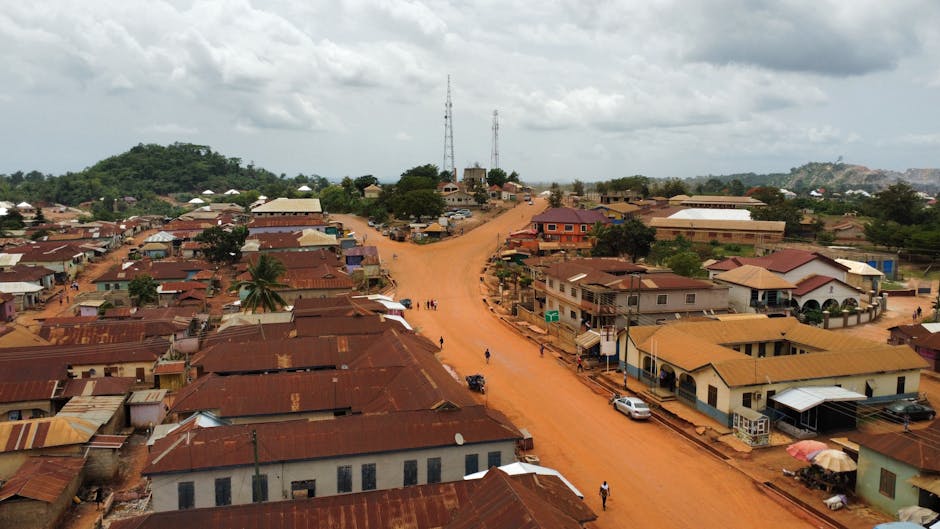
- US aid cuts have weakened health systems in affected regions, making them more vulnerable to infectious disease outbreaks.
- The decline in international support for public health initiatives undermines global capacity to prevent and respond to infectious disease outbreaks.
- Reduced disease surveillance and decreased access to essential medicines exacerbate the severity of health crises like the 2026 Ebola outbreak.
- Global leaders like the US have a critical role in supporting international aid and public health initiatives.
- Broken trust in the public health sector can have devastating effects on global health security and response efforts.
The 2026 Ebola crisis has raised pressing questions about the consequences of the US retreat from public health initiatives. What happens when a global leader like the US reduces its investment in international aid, and how does this impact the global response to health crises? The Ebola outbreak, which has claimed thousands of lives, serves as a stark reminder of the devastating effects of US aid cuts and broken trust in the public health sector.
Understanding the Root Causes of the Crisis

The US had been a significant contributor to global health initiatives, providing critical funding and support for disease prevention and response efforts. However, in recent years, the US has reduced its investment in international aid, citing budget constraints and shifting priorities. This reduction in funding has had a ripple effect, impacting the ability of global health organizations to respond effectively to emerging crises like the Ebola outbreak. The World Health Organization (WHO) has warned that the decline in international support for public health initiatives undermines the global capacity to prevent and respond to infectious disease outbreaks.
Evidence of the Consequences

Experts point to the severe consequences of US aid cuts, including weakened health systems, reduced disease surveillance, and decreased access to essential medicines. According to a report by the Centers for Disease Control and Prevention (CDC), the reduction in US funding for global health initiatives has resulted in a significant decline in the number of healthcare workers trained to respond to infectious disease outbreaks. This decline has been particularly pronounced in countries with limited resources, where the need for international support is greatest. The New York Times has documented the human toll of the Ebola crisis, highlighting the stories of families and communities affected by the outbreak.
Counter-Perspectives and Criticisms

Some argue that the US has a responsibility to prioritize its own domestic health needs, rather than investing in international aid. Others contend that the US should focus on providing humanitarian assistance through non-governmental organizations, rather than channeling funds through multilateral institutions like the WHO. However, critics argue that this approach undermines the global coordination and cooperation necessary to address infectious disease outbreaks, which know no borders. The Guardian has reported on the criticisms of the US approach, highlighting concerns about the effectiveness and sustainability of US-funded health initiatives.
Real-World Impact and Consequences

The consequences of the US retreat from public health are far-reaching and devastating. The Ebola crisis has not only claimed thousands of lives but has also had a significant economic impact, with widespread disruption to trade, commerce, and social services. In addition, the crisis has exacerbated social and political tensions, undermining trust in governments and institutions. The Reuters news agency has reported on the economic and social consequences of the outbreak, highlighting the need for a coordinated international response to mitigate the effects of the crisis.
What This Means For You
The 2026 Ebola crisis serves as a stark reminder of the importance of international cooperation and investment in public health initiatives. As a global community, we must recognize the interdependence of our health systems and the need for collective action to prevent and respond to infectious disease outbreaks. By understanding the consequences of US aid cuts and broken trust, we can work towards rebuilding and strengthening global health systems, ultimately reducing the risk of future crises.
As we look to the future, we must ask: what will it take to restore trust and investment in global public health initiatives, and how can we ensure that the lessons of the 2026 Ebola crisis are not forgotten? The answer will require a sustained commitment to international cooperation, a willingness to learn from past mistakes, and a recognition of the critical role that public health plays in promoting global security and prosperity.
Source: Infectioncontroltoday