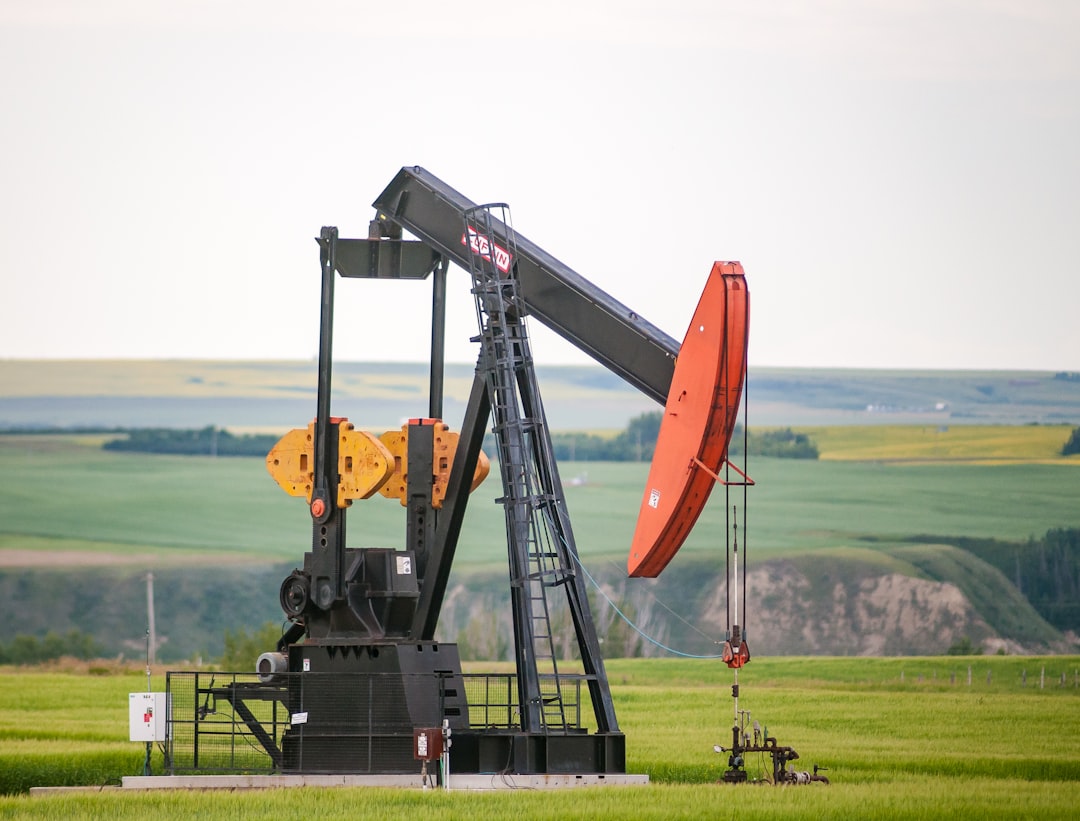
- Brent crude oil reached $89.40 per barrel on May 26, 2026, driven by tightening global supply and sustained demand.
- The oil price rise affects consumer energy prices, transportation costs, and production expenses of everyday goods.
- The upward pressure from oil threatens to prolong central bank restraint on interest rates, complicating fiscal recovery efforts.
- Oil remains central to transportation, manufacturing, and petrochemical industries despite the global energy transition.
- The fragile balance between supply constraints and persistent demand is driving the oil price surge.
Brent crude oil reached $89.40 per barrel on May 26, 2026, marking a 14% year-to-date increase amid tightening global supply, sustained demand from emerging markets, and ongoing geopolitical instability in key production regions. This rise directly affects consumer energy prices, transportation costs, and the production expenses of everyday goods, from plastics to fertilizers. With inflation still above target in major economies, the upward pressure from oil threatens to prolong central bank restraint on interest rates, complicating fiscal recovery efforts and increasing the cost of living for households worldwide. The milestone underscores oil’s enduring role as a macroeconomic barometer in the global energy transition.
Why Oil Prices Matter Now

The climb to nearly $90 per barrel is not merely a number on a commodities chart—it reflects a fragile balance between supply constraints and persistent demand, especially as major economies rebound from recent slowdowns. While the world continues its long-term shift toward renewable energy, oil remains central to transportation, manufacturing, and petrochemical industries. The 2026 price surge follows a series of production cuts by OPEC+ and reduced output from aging fields in the North Sea and Gulf of Mexico. At the same time, demand has held firm, particularly in Asia, where industrial activity and vehicle use remain robust. With inventories below five-year averages, even minor disruptions—like pipeline outages or shipping delays—can trigger sharp price reactions, making this moment especially sensitive for markets and policymakers.
Drivers Behind the 2026 Price Surge

The current spike is driven by a confluence of structural and geopolitical factors. OPEC+ has maintained voluntary production cuts totaling 1.6 million barrels per day through mid-2026, aiming to stabilize prices amid uncertain demand forecasts. Meanwhile, U.S. shale output growth has plateaued due to capital discipline and declining well productivity, limiting alternative supply. Geopolitical risks have escalated in the Persian Gulf, with attacks on tanker routes temporarily disrupting flows, while instability in Venezuela and Nigeria has further eroded spare capacity. On the demand side, China’s post-pandemic stimulus has boosted industrial output, and global air travel has surpassed 2019 levels, increasing jet fuel consumption. These dynamics have tightened the market, pushing prices higher despite inflation-fighting efforts by central banks.
Market and Inflationary Impacts

Each $10 per barrel increase in oil prices historically adds roughly 0.2 percentage points to global inflation within six to twelve months, according to analysis by Reuters. With Brent nearing $90, core inflation metrics in the U.S., EU, and UK could remain elevated, reducing the likelihood of near-term interest rate cuts. Higher fuel costs also feed into food prices—through farm machinery, fertilizer production, and transportation—and affect retail goods due to increased shipping and plastic packaging expenses. For energy-importing nations, especially in Africa and South Asia, the rise threatens fiscal stability and could renew pressure for fuel subsidies, increasing public debt burdens. Automakers and airlines are already revising forecasts, bracing for higher operational costs.
Global Economic and Consumer Impact

Consumers are feeling the effects at the pump and beyond. In the U.S., the average gasoline price has climbed to $3.85 per gallon, up from $3.10 in early 2026. European diesel prices have surged, impacting freight and agriculture. Developing economies face steeper challenges: countries like Pakistan and Egypt are negotiating new IMF loans to offset energy import costs. Meanwhile, oil-exporting nations—such as Saudi Arabia, Norway, and Canada—are seeing increased revenues, improving budget balances and enabling new infrastructure investments. However, this windfall may be short-lived if demand peaks in the coming decade due to electric vehicle adoption and energy efficiency gains. The divergence in national impacts underscores the uneven global consequences of oil price swings.
Expert Perspectives
Economists are divided on whether this price level is sustainable. Some, like those at the International Energy Agency, argue that rising renewable capacity and EV adoption will cap long-term oil demand, limiting future price spikes. Others, including analysts at BBC Economics, warn that underinvestment in upstream oil projects could lead to recurring supply crunches before alternatives scale sufficiently. “We’re in a transition gap,” said Dr. Lena Moreau, energy economist at the Oxford Institute for Energy Studies. “Demand isn’t falling fast enough, and supply isn’t growing reliably enough. That imbalance is what’s driving prices now.”
Looking ahead, markets will closely watch OPEC+ meeting decisions in June 2026, potential easing of U.S. sanctions on Iran’s oil exports, and the pace of China’s economic recovery. Any sign of supply restoration could temper prices, but renewed Middle East tensions or stronger-than-expected global growth could push Brent above $95. Investors and policymakers must prepare for continued volatility, as the world navigates the tensions between energy security, inflation control, and the clean energy transition.
Source: Fortune