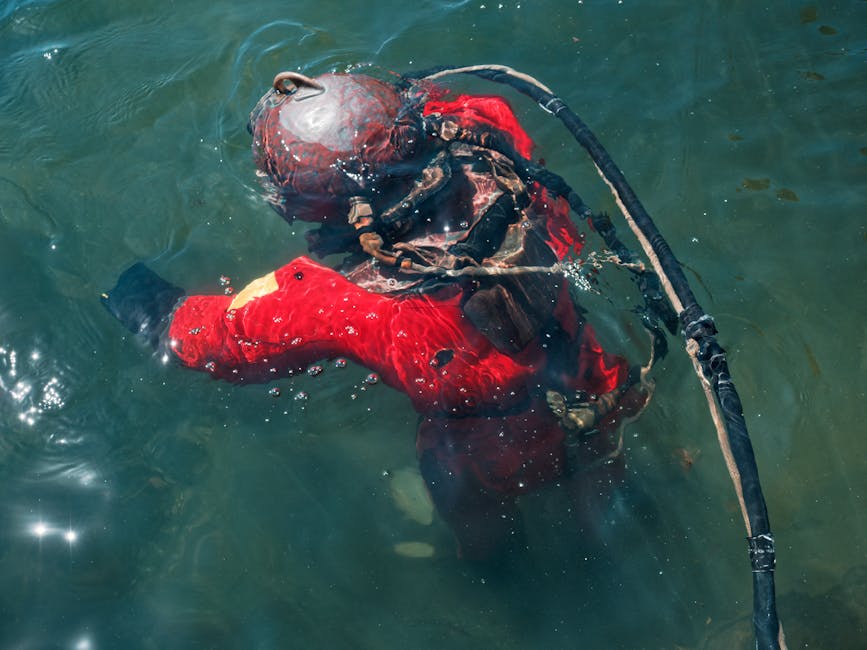
- Britain is using autonomous underwater vehicles to clear naval mines from the Strait of Hormuz.
- The UK’s initiative aims to ensure freedom of navigation in a critical global oil shipment chokepoint.
- Autonomous systems have demonstrated over 90% accuracy in detecting seabed threats during recent trials.
- The Royal Navy is leveraging unmanned maritime warfare and security operations to stabilize the volatile region.
- Britain’s pivot toward unmanned maritime warfare underscores its commitment to regional security and stability.
Britain is preparing a pioneering naval mission to clear naval mines from the Strait of Hormuz using autonomous underwater vehicles, marking a strategic pivot toward unmanned maritime warfare and security operations. Based at the British Overseas Territory of Gibraltar, Royal Navy forces are on standby to deploy robotic mine-hunting systems if a diplomatic breakthrough stabilizes the volatile region. This initiative underscores the UK’s commitment to ensuring freedom of navigation in one of the world’s most critical chokepoints for global oil shipments, where even the threat of mine warfare can trigger significant market disruptions and geopolitical tension.
Autonomous Mine Detection Yields Real-World Data

Recent trials conducted by the Royal Navy’s 9th Mine Countermeasures Squadron at Gibraltar have demonstrated that autonomous systems can detect and classify seabed threats with over 90% accuracy, according to data released by the UK Ministry of Defence. The vessels—comprising the USVs (Unmanned Surface Vessels) MASBoat Team 1 and ARCIMS, paired with the AUVs (Autonomous Underwater Vehicles) Talisman Sea and Kongsberg HUGIN—have logged more than 1,200 nautical miles of submerged scanning in the Western Mediterranean and Gulf of Cadiz. These systems use high-resolution sonar and AI-powered pattern recognition to identify mine-like objects without risking human crews. In simulated exercises, the drones located dummy mines buried under sediment at depths exceeding 200 meters, significantly outperforming traditional minehunters in both speed and operational safety. According to a 2023 NATO report, autonomous mine countermeasures could reduce clearance time in congested straits by up to 70%, a crucial advantage in crisis scenarios.
Key Players Shape Maritime Security Strategy

The mission involves a tripartite coordination between the UK’s Royal Navy, the Royal Australian Navy, and the U.S. Fifth Fleet, all of which have contributed technology and intelligence to the effort. The UK’s contribution centers on the HMS Scott, a hydrographic survey vessel that has been reconfigured to serve as a command hub for drone operations in the Gulf. Meanwhile, the U.S. Navy’s Naval Sea Systems Command (NAVSEA) has provided technical integration support for interoperability between American and British autonomous platforms. On the diplomatic front, British Foreign Office officials have been engaged in backchannel talks with Omani mediators, who have historically acted as intermediaries between Iran and Western powers. Iran, while officially denying involvement in past mining incidents in the Strait, remains a critical stakeholder; its Islamic Revolutionary Guard Corps Navy has conducted repeated exercises near the waterway, raising concerns among shipping insurers and energy markets.
Strategic Trade-Offs in Unmanned Naval Operations

Deploying autonomous systems offers clear advantages: reduced risk to personnel, extended operational endurance, and lower logistical footprints. However, the shift also introduces new vulnerabilities, including cyber threats to navigation and data links, as well as legal ambiguities surrounding the use of lethal force by unmanned platforms. While current drones are strictly non-armed and focused on detection, their presence in contested waters could be perceived as provocative. Moreover, reliance on AI-driven classification increases the risk of false positives—potentially triggering escalatory responses if a civilian wreck or geological feature is misidentified as a threat. On the economic side, securing the Strait could save the global economy an estimated $10 billion per week in avoided insurance premiums and rerouting costs, according to analysis by Reuters. Yet the political cost of unilateral intervention remains high, necessitating multilateral endorsement through frameworks like the International Maritime Security Construct.
Why the Timing Is Critical Now

The UK’s readiness reflects a confluence of diplomatic openings and heightened threat indicators. In late 2023, indirect negotiations between the U.S. and Iran, facilitated by Oman and the European Union, led to a temporary de-escalation in maritime incidents. Concurrently, satellite imagery analyzed by the BBC revealed new naval activity near Iran’s Jask Base, suggesting preparations for potential mine deployment. With over 20% of the world’s oil passing through the Strait—approximately 17 million barrels per day—the window for preventive action is narrow. Britain’s positioning at Gibraltar allows rapid deployment into the Indian Ocean via the Suez Canal, giving London a strategic advantage in crisis response timing. The current phase is therefore not active deployment but high-readiness deterrence, designed to discourage aggression through visible technological preparedness.
Where We Go From Here
In the next six to twelve months, three scenarios could unfold. First, if diplomatic efforts succeed, Britain may lead a multinational mine-clearance operation under a UN or IMSC mandate, normalizing the use of autonomous systems in peacekeeping missions. Second, a breakdown in talks could prompt Iran to lay mines covertly, forcing a reactive deployment that tests the limits of drone efficacy in active conflict zones. Third, a hybrid scenario may emerge in which limited drone surveillance becomes permanent, establishing a new baseline for maritime domain awareness in the Gulf. Each path will test the balance between technological innovation and geopolitical restraint.
Bottom line — The UK’s robotic mine-clearing readiness at Gibraltar represents a defining shift in naval power projection, where autonomy, diplomacy, and deterrence converge to protect global energy security without firing a shot.
Source: The New York Times