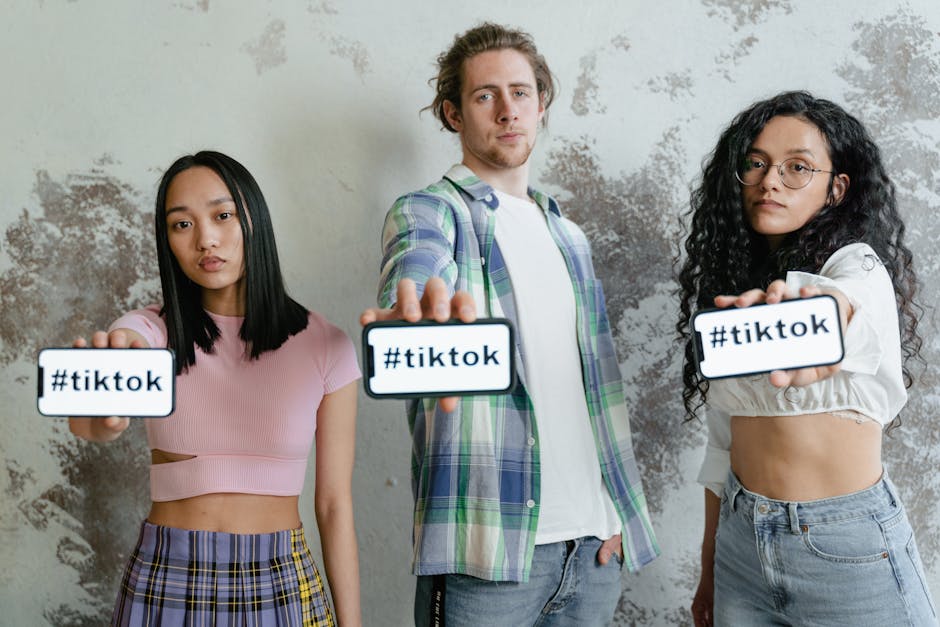
- AI-generated content has matched and surpassed human influencers in engagement, consistency, and production within 18 months.
- The rise of AI has shifted the focus of influence from reach to trust, with human credibility now a key differentiator.
- AI tools can produce thousands of posts and videos daily, but struggle to replicate the authenticity and accountability of human creators.
- A 2024 MIT study found that AI content gains initial engagement, but human creators retain follower loyalty over time.
- The market now rewards verified human expertise, real-world experience, and accountability, making them scarce and valuable assets.
What happens to human influence when algorithms can replicate charisma, consistency, and content at scale? For decades, the internet celebrated individuals who built massive followings through personality, insight, or entertainment. But in just over a year, AI-generated content has matched—and often surpassed—human influencers in engagement, consistency, and production. This shift isn’t just technological; it’s economic and cultural. If anyone can generate polished, persuasive content in seconds, what value remains in the human face behind the feed? The answer is reshaping the digital economy: influence is no longer about reach, but about trust.
Has AI Made Human Influencers Obsolete?

Yes—largely in terms of volume, efficiency, and cost—but not in terms of credibility. AI tools can now produce thousands of posts, videos, and newsletters daily, mimicking the style of top influencers with uncanny accuracy. Platforms like Instagram, TikTok, and Substack are increasingly populated by AI-generated personas that never sleep, never burn out, and never demand payment. Yet, while AI wins on output, it still loses on authenticity. A 2024 MIT study found that while AI content receives more initial engagement, human creators retain follower loyalty over time. The scarcity has flipped: content is infinite, but verified human expertise is not. As a result, the market is rewarding those who can prove not just knowledge, but real-world experience and accountability.
What Data Shows the Shift in Online Influence?

A 2023 report by Reuters Institute revealed that AI-generated content now accounts for over 60% of social media posts in major markets, particularly in finance, tech, and wellness niches. Despite this, trust metrics tell a different story. According to Pew Research, only 22% of users say they trust AI-generated advice on health or finance, compared to 68% for verified human experts. Even platforms are adapting: LinkedIn now labels AI-generated posts, and Substack has introduced a verification layer for professional credentials. Meanwhile, creators with provable expertise—doctors, engineers, economists—are seeing subscriber growth outpace entertainers by nearly 3:1. The pattern is clear: when content is commoditized, credibility becomes the premium product.
Are There Critics of the Credibility-Over-Content Narrative?

Yes—some argue that the distinction between human and AI influence is blurring beyond recognition. Critics like media scholar Dr. Ling Chen of NYU suggest that “credibility is increasingly performative, not factual.” In other words, if an AI convincingly mimics a Harvard-trained economist, does the origin matter to most users? Deepfakes and synthetic voices further complicate the issue, with tools like ElevenLabs enabling AI avatars to deliver “expert” commentary on live streams. Others warn that gatekeeping credibility could reinforce elitism, excluding self-taught voices who lack formal credentials but offer valuable insight. There’s also the risk of a feedback loop: as platforms promote verified experts, algorithms may suppress emerging voices regardless of quality, ultimately reducing diversity of thought.
How Is This Shift Affecting the Digital Economy?

The influencer economy, once valued at over $20 billion, is undergoing a structural transformation. Brands are shifting budgets from macro-influencers to niche experts, often with smaller followings but higher conversion rates. For example, a fintech startup saw a 40% increase in sign-ups when it partnered with a credentialed financial planner on YouTube versus a lifestyle influencer with five times the subscribers. Meanwhile, AI content mills are undercutting freelance writers and content creators, driving down prices for generic posts. But in response, new platforms like Kialo and Thinkspot are emerging to verify expertise through peer review and credential checks. The result is a two-tier system: one internet of endless AI content, and another, smaller but growing ecosystem where trust is authenticated and monetized.
What This Means For You
If you consume online content, start asking: who—or what—is behind the information? Prioritize sources that disclose their methods, credentials, and potential biases. If you create content, doubling down on personality won’t be enough; you’ll need to demonstrate real expertise, accountability, and transparency. The internet is no longer a popularity contest. It’s becoming a marketplace of verified trust. Those who invest in credibility—through education, verification, or public track records—will gain influence in this new era.
But what happens when AI can fake not just content, but credentials? As blockchain-based identity systems and AI detection tools evolve, the next battleground may not be content creation, but proof of authenticity. Can we build digital trust that’s harder to spoof than a face or a voice? The answer could redefine influence for the next generation.
Source: Fortune