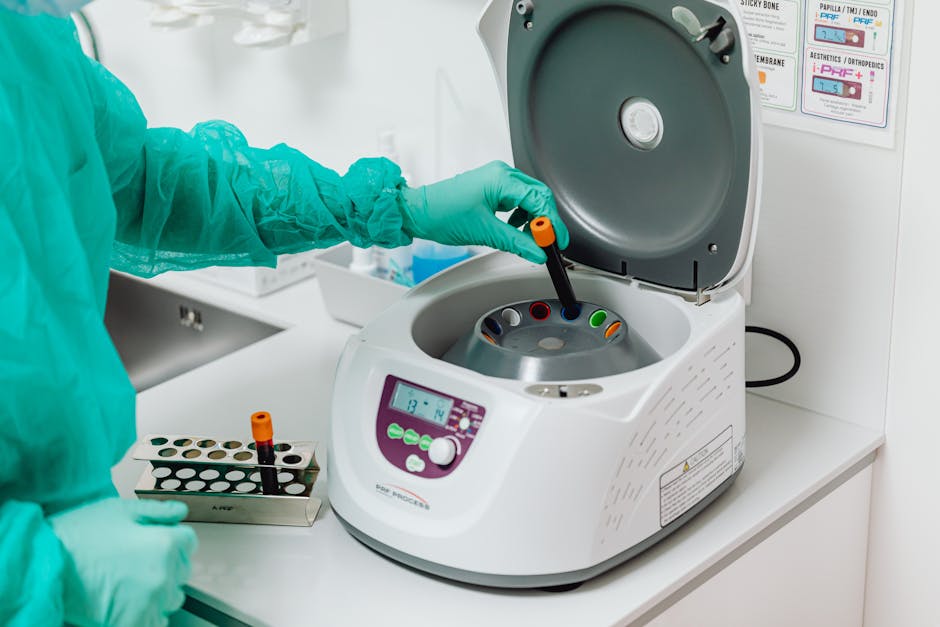
- Cryonics, a movement to preserve human bodies in liquid nitrogen, has 650 people frozen worldwide.
- Despite decades of development, no technology exists to reverse the cryopreservation process without damage to cells and tissues.
- The science to revive frozen bodies remains theoretical, raising questions about life, death, and the boundaries of human existence.
- Cryonics has evolved from a fringe concept to a structured industry with companies in the US, Russia, and Europe.
- Thousands more people are waiting to be cryopreserved, with many believing it can lead to future cures for diseases and aging.
More than 650 individuals worldwide are currently stored in liquid nitrogen at temperatures below -196°C, their bodies suspended in a state of deep freeze with the hope that one day, far in the future, medical science will advance enough to revive them. These people—some terminally ill, others who died suddenly—are part of a growing but controversial movement known as cryonics. Despite decades of development, however, no technology exists to reverse the cryopreservation process without catastrophic damage to cells and tissues. The central paradox of cryonics is stark: while organizations like Alcor and the Cryonics Institute have perfected methods to freeze human bodies almost immediately after death, the science to reanimate them remains entirely theoretical, raising profound ethical, biological, and philosophical questions about the boundaries of life and death.
The Rise of Cryonics in the 21st Century

Cryonics first emerged in the 1960s, spurred by the publication of Robert Ettinger’s book The Prospect of Immortality, which proposed that freezing the human body could allow future civilizations to cure diseases and reverse aging. Since then, the field has evolved from fringe speculation to a structured, albeit niche, industry. Today, companies in the U.S., Russia, and Europe offer cryopreservation services, with Alcor in Scottsdale, Arizona, being the most prominent. Over 650 people are already cryopreserved globally, and thousands more have signed up for future preservation. The process typically begins within minutes of clinical death, using a procedure called vitrification—replacing blood with a cryoprotectant solution to prevent ice crystal formation. While these techniques reduce cellular damage, they do not eliminate it, and the dream of revival hinges on hypothetical future technologies like molecular nanotechnology or advanced stem cell therapies.
Who Is Being Preserved and How?

Most cryopreserved individuals are patients who have legally died from terminal illnesses such as cancer, heart failure, or neurodegenerative diseases. Clients typically pay between $28,000 and $200,000 for preservation, often through life insurance policies. Alcor, for example, offers whole-body cryopreservation for $200,000 and neuro-only (head-only) preservation for $80,000. The procedure begins with rapid cooling and cardiopulmonary support to maintain oxygenation, followed by the replacement of blood with a glycerol-based cryoprotectant. The body is then slowly cooled to -196°C and stored in liquid nitrogen tanks, where it can remain for decades. As of 2024, Alcor alone houses over 200 patients in its facility. While most clients are from North America, interest is growing in Asia and Europe, particularly among tech entrepreneurs and futurists who view cryonics as a long-shot investment in extended life.
The Scientific Hurdles to Revival

The primary challenge in cryonics is not preservation—it’s revival. Current science cannot reverse the damage caused by freezing, even with vitrification. While this method reduces ice crystal formation, it does not prevent all cellular injury, particularly in the brain’s synaptic networks, which encode memory and identity. Neuroscientists emphasize that structural preservation does not equate to functional continuity. As Dr. Kenneth Hayworth, a neuroscientist and cryonics advocate, has noted, the brain’s connectome—the complete map of neural connections—must be preserved with nanometer precision for any hope of meaningful revival. Yet no existing imaging or repair technology can reconstruct or reactivate a vitrified brain. Moreover, reanimating a body would require not only repairing cellular damage but also restarting metabolic functions, immune systems, and neural activity without triggering widespread apoptosis or organ failure. These hurdles are so immense that many mainstream scientists regard cryonics as speculative at best, and pseudoscientific at worst.
Legal, Ethical, and Existential Implications

Cryonics operates in a legal gray zone. Patients are preserved only after legal death, meaning they cannot be revived under current medical or legal frameworks. This raises ethical concerns about consent, resource allocation, and the definition of death itself. Critics argue that cryonics preys on hope, offering false promises to vulnerable individuals facing mortality. There are also logistical risks: facilities depend on continuous funding and stable infrastructure, and any prolonged power failure could compromise entire collections. On a philosophical level, cryonics challenges the finality of death, suggesting that identity and consciousness could be preserved and restored. But if a revived person lacks memory or personality, is it truly the same individual? These questions remain unresolved, and as more people opt for cryopreservation, society may face unprecedented debates about personhood, inheritance, and the rights of the “temporarily dead.”
Expert Perspectives
Opinions on cryonics are deeply divided. Advocates like Max More, a philosopher and former CEO of Alcor, argue that cryonics is a rational gamble based on anticipated breakthroughs in nanomedicine and artificial intelligence. They compare it to early organ transplantation—a once-impossible feat that is now routine. Skeptics, however, including neurobiologist Dr. Michael Hendricks of McGill University, dismiss cryonics as “a massive financial scam” with no scientific basis for success. In a 2015 editorial in Nature, Hendricks wrote that cryonics “exploits the hopes of the vulnerable and the credulity of the ignorant.” Meanwhile, some scientists maintain cautious openness, suggesting that while revival may be far-fetched, research into cryopreservation could yield benefits in organ banking and trauma medicine.
The future of cryonics depends on advances in neuroscience, materials science, and regenerative medicine. Breakthroughs in cryobiology, such as improved cryoprotectants or reversible vitrification in large organs, could lend credibility to the field. For now, the 650 individuals in storage remain in a state of suspended limbo—neither alive nor decayed, but waiting in silence for a future that may never come. Whether they will be hailed as pioneers or remembered as tragic optimists depends on whether science can one day cross the ultimate frontier: reversing death itself.
Source: Dongascience