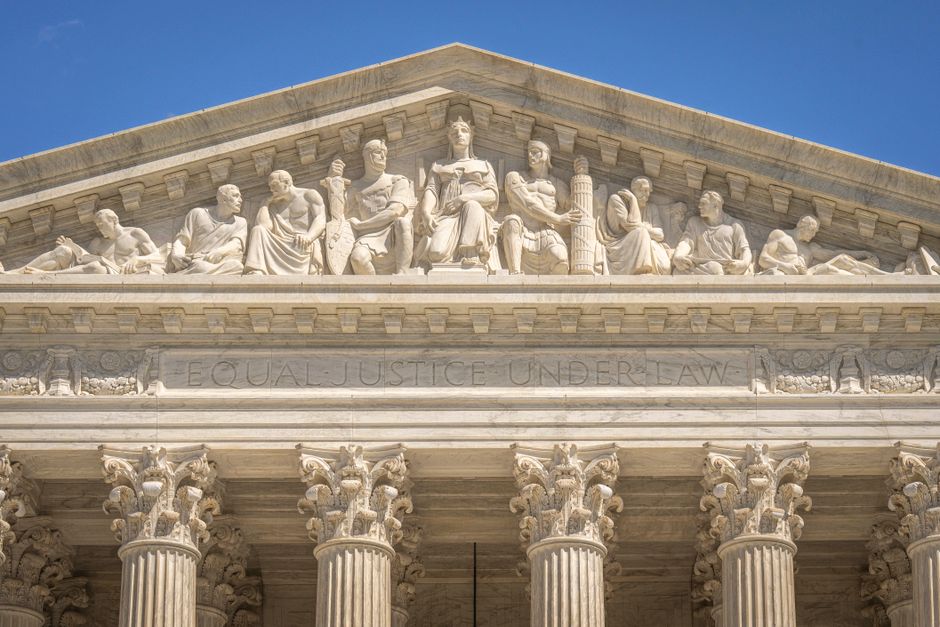
- The US Supreme Court’s decision on abortion pills is a temporary reprieve, not a definitive victory for access.
- The legal battle over abortion pills is far from over, with potential for future injunctions and state-level bans.
- Mifepristone, a drug approved by the FDA in 2000, is at the center of the controversy over abortion pills.
- The Supreme Court avoided ruling on core constitutional or regulatory questions, leaving lower courts to decide.
- Reproductive rights advocates are bracing for a prolonged fight to preserve access to abortion pills nationwide.
On a quiet morning in March, a woman in rural Mississippi opened her mailbox to find a discreet package containing mifepristone and misoprostol—two pills that, when taken together, safely terminate early pregnancies. For her, the delivery meant autonomy, privacy, and access to healthcare otherwise unavailable within 200 miles. Yet that same morning, in a courthouse in Amarillo, Texas, a federal judge prepared to issue a ruling that could have erased her ability to receive such a package. The tension between these two realities—patients quietly relying on medication abortion and a legal system poised to dismantle it—defines the current frontier of reproductive rights in America. Though the Supreme Court has temporarily preserved access, the storm is far from over.
The Current Legal Standoff

The U.S. Supreme Court’s recent decision to maintain nationwide access to mifepristone, a drug approved by the FDA in 2000, was not a victory but a reprieve. The case, brought by anti-abortion groups challenging the drug’s initial approval and subsequent loosening of distribution rules, had threatened to roll back decades of regulatory precedent. While the justices unanimously paused a lower court’s attempt to restrict access, they avoided ruling on the core constitutional or regulatory questions. This means the legal battle will continue in lower courts, with the potential for future injunctions, state-level bans, or even a broader federal rollback. As of now, 63% of abortions in the U.S. are medication-based, according to the CDC, and for many, especially in states with few or no abortion clinics, mail-order pills are the only option.
How We Got Here

The fight over abortion pills is rooted in the 2022 overturning of Roe v. Wade, which dismantled the federal right to abortion and triggered a patchwork of state laws. In the aftermath, medication abortion emerged as a lifeline, with telehealth services and mail delivery filling the void left by shuttered clinics. The FDA, in response to evidence of safety and demand, relaxed rules in 2021 and 2023, allowing certified pharmacies to dispense mifepristone and eliminating the requirement that patients pick it up in person. These changes made access more equitable—but also more visible to opponents. The current lawsuit, Alliance for Hippocratic Medicine v. FDA, argues that the agency overstepped its authority, a claim legal scholars say could undermine the regulatory power of federal agencies far beyond reproductive health.
The People Shaping the Fight

Dr. Angel Foster, an OB-GYN and co-founder of the Massachusetts Medication Abortion Access Project, has spent years building networks to deliver abortion pills safely and discreetly. “We’re not just fighting laws,” she said in a recent interview, “we’re fighting stigma, misinformation, and a deliberate campaign to isolate patients.” On the other side are activist judges like Matthew Kacsmaryk, who issued the initial block on mifepristone, and organizations like Alliance for Hippocratic Medicine, which frame their efforts as protecting medical integrity. But public health experts warn that restricting access won’t stop abortions—it will only drive them underground. The real battleground is not in courtrooms alone, but in pharmacies, post offices, and the homes of millions of Americans making deeply personal decisions under increasing legal scrutiny.
Consequences for Patients and Providers

If future rulings restrict mifepristone, the impact will fall hardest on marginalized communities: low-income individuals, people of color, rural residents, and minors. Some states have already passed laws criminalizing the mailing of abortion pills, creating a legal minefield for providers and patients alike. Telehealth services may be forced to shut down or retreat from high-risk states, while pharmacies could face penalties for dispensing the drug. The chilling effect extends beyond abortion: if courts can invalidate FDA approvals based on ideological objections, other medications—from hormone therapies to HIV prevention—could face similar challenges. For clinicians, this means practicing medicine in a climate of legal uncertainty, where providing standard care could carry criminal risk.
The Bigger Picture
This isn’t just a fight over one drug or one court case. It’s a referendum on whether scientific consensus, regulatory expertise, and personal autonomy can withstand political and ideological pressure. The legal strategy targeting mifepristone relies on a narrow interpretation of standing and administrative law that, if upheld, could destabilize the foundation of federal health regulation. As Nature has noted, the implications stretch far beyond reproductive rights, threatening the integrity of evidence-based policymaking in public health.
What comes next is uncertain. The Supreme Court may eventually take up the case directly, or it may let lower court battles play out, allowing access to vary by state. Advocates are preparing for both scenarios—expanding underground networks, lobbying for state-level protections, and pushing for federal legislation to codify access. But for now, the status quo holds: a fragile peace in a war that shows no sign of ending. The pills keep arriving in mailboxes, but so do the lawsuits.
Source: The Guardian