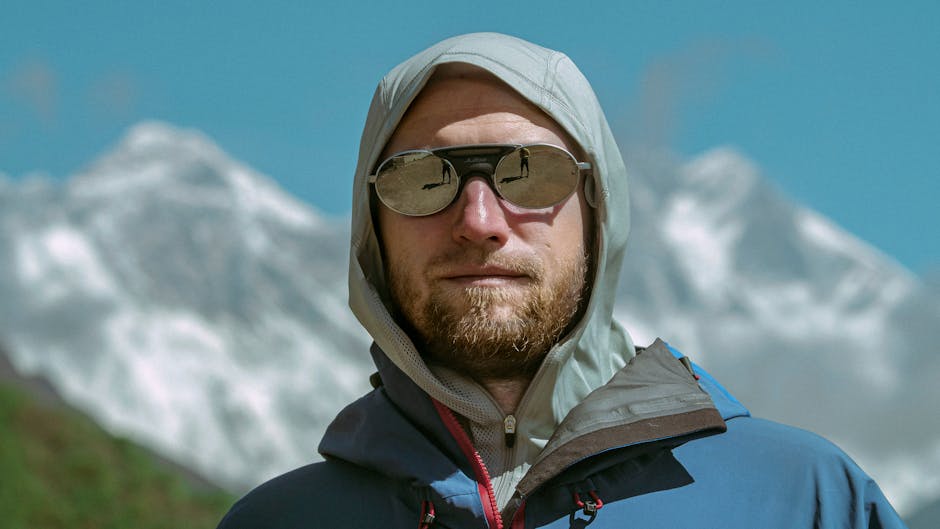
- Kami Rita Sherpa, a Nepali climber, has broken his own record by summiting Mount Everest for a 32nd time at age 53.
- Rita’s repeated ascents defy conventional understanding of risk, endurance, and purpose, sparking deeper inquiry into what drives him.
- As a professional mountaineering guide, Rita’s motivation stems from personal passion, family legacy, and economic necessity.
- Each ascent brings critical income for Sherpa climbers like Rita but also immense physical and emotional risk.
- Rita’s feat highlights the hidden labor behind modern Himalayan expeditions and the sacrifices made by Sherpa climbers.
How does one person summit Mount Everest not once, not ten times, but 32 times? That’s the question echoing across the mountaineering world after Nepali climber Kami Rita Sherpa reached the top of the 8,848-meter peak for a record-shattering 32nd time in May 2023. In an era when most people consider climbing Everest a once-in-a-lifetime challenge, Rita’s repeated ascents defy conventional understanding of risk, endurance, and purpose. His feat prompts deeper inquiry: What drives someone to climb the world’s highest mountain so many times, and what does it reveal about the hidden labor behind modern Himalayan expeditions?
Who Is Kami Rita Sherpa—and Why Does He Keep Climbing?

Kami Rita Sherpa is a professional mountaineering guide from the Solukhumbu region of Nepal, where the Sherpa people have long served as the backbone of Everest expeditions. First summiting Everest in 1994, Rita has steadily increased his ascent count over nearly three decades, often making multiple climbs in a single season. His 32nd ascent, completed at age 53, surpassed his own prior record of 31 summits. Rita attributes his motivation to a combination of personal passion, family legacy—his father was one of the first commercial climbing guides on Everest—and economic necessity. For Sherpa climbers like Rita, each ascent brings critical income for their families, but also immense physical and emotional risk.
What Evidence Supports His Unmatched Climbing Legacy?

Rita’s record is verified by Nepal’s Department of Tourism and widely reported by international outlets including Reuters and the BBC. His 2023 climb was part of a mission to install high-altitude weather stations, underscoring how Sherpa expertise now supports scientific as well as commercial expeditions. Rita has also summited K2, the world’s second-highest and most dangerous peak, demonstrating his elite skill. Over the years, he has guided climbers from over a dozen countries, often taking on the perilous work of fixing ropes and transporting gear through the Khumbu Icefall—a section responsible for numerous fatalities. His longevity in such a hazardous profession speaks to extraordinary acclimatization, mental resilience, and intimate knowledge of the mountain’s ever-changing terrain.
What Are the Counter-Perspectives to Celebrating Repeated Ascents?

While Rita is widely celebrated, some critics question whether repeated ascents highlight systemic inequities in mountaineering. Western climbers often receive global media attention for a single summit, while Sherpas—who face higher fatality rates and do much of the dangerous preparatory work—remain underrecognized. Environmentalists also point out that increased traffic, facilitated by guides like Rita, contributes to ecological strain on Everest, with growing piles of waste and overcrowding near the summit. Additionally, some within the climbing community worry that record-breaking ascents could encourage riskier behavior or normalize extreme exposure to danger. Rita himself has lost friends and colleagues on the mountain, including several in the devastating 2014 avalanche that killed 16 Sherpas, underscoring the human cost behind each record.
What Is the Real-World Impact of Rita’s Record?

Rita’s achievements have brought renewed attention to the indispensable role of Sherpa climbers in high-altitude mountaineering. His public profile has helped elevate conversations about fair compensation, insurance, and safety standards for Nepali guides. In 2023, Nepal raised the royalty fee for Everest permits to $15,000, partly in response to calls for better funding of rescue and environmental initiatives—many of which rely on Sherpa labor. Rita has become a national hero in Nepal, inspiring a younger generation of climbers. Meanwhile, international expedition companies increasingly acknowledge the need to credit and support Sherpa teams, not just Western clients. His climbs also contribute to climate science, as seen in his participation in installing weather sensors at extreme altitudes, aiding researchers studying glacial melt and atmospheric changes.
What This Means For You
Kami Rita Sherpa’s story is more than a tale of personal endurance—it’s a lens into the global dynamics of risk, labor, and recognition. For anyone following stories of human achievement, it’s a reminder to look beyond the summit photo and consider who made that moment possible. His record challenges us to rethink how we value expertise, especially when it comes from marginalized but essential communities. Whether you’re an outdoor enthusiast or simply interested in stories of resilience, Rita’s journey urges greater awareness of the people behind the world’s most iconic adventures.
As climate change alters the Himalayas and commercial expeditions grow, what protections and recognition will future generations of Sherpa climbers receive? And as records continue to be broken, how do we balance celebration with ethical responsibility toward those who risk their lives to make exploration possible?
Source: Al Jazeera