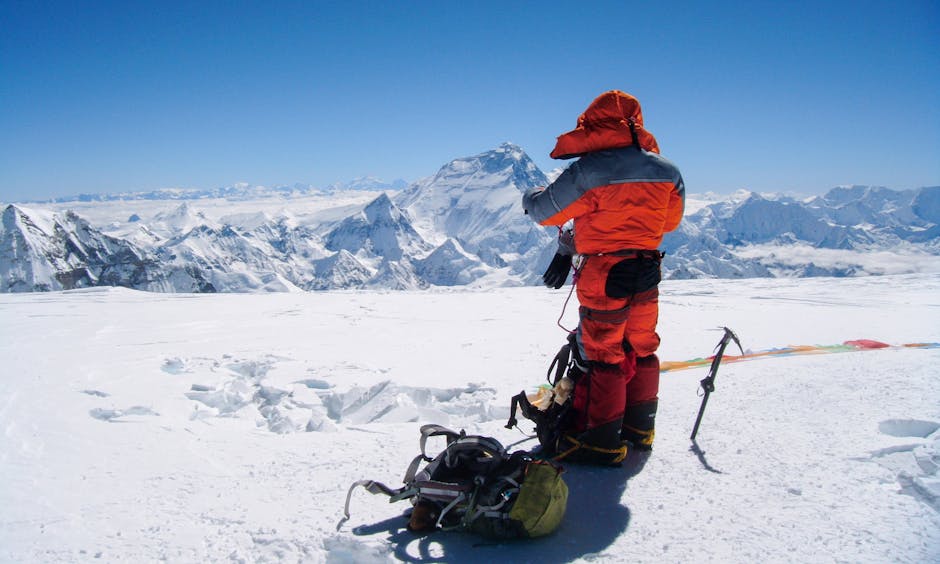
- At least five climbers, including two Indian nationals and three Nepalis, have died on Mount Everest this season.
- Seasoned mountaineer Kami Rita Sherpa warns of overcrowding, inexperienced climbers, and inadequate regulation on the mountain.
- Overcrowding and lax permitting standards have made Mount Everest an increasingly hazardous environment for climbers.
- Local Sherpa guides face disproportionate risks while facilitating commercial expeditions on the mountain.
- Weather is just one factor contributing to the growing number of fatalities on Mount Everest, human decisions play a significant role.
Why is Mount Everest, the crown jewel of the Himalayas, becoming a graveyard for aspiring summiteers? This season, at least five climbers have lost their lives attempting to reach the top, including two Indian nationals and three Nepalis, reigniting global concern over the mountain’s growing peril. Seasoned mountaineers, including Kami Rita Sherpa, who holds the world record for most ascents of Everest, have issued urgent warnings about overcrowding, inexperienced climbers, and inadequate regulation. As the death toll climbs, questions arise: Is the pursuit of personal glory overriding safety? And who bears responsibility when things go tragically wrong at 8,000 meters?
What’s Behind the Surge in Everest Fatalities?

The 2024 climbing season on Mount Everest has turned deadly, with at least five confirmed deaths as of late May. Among them were two Indian climbers — 37-year-old Nihal Bagwan and 42-year-old Priyanka Mohite — both experienced mountaineers attempting their final summit push. They were joined in death by three Nepali guides, underscoring the disproportionate risks faced by local Sherpa teams who facilitate most commercial expeditions. Kami Rita Sherpa, who has summited Everest 30 times, publicly warned that the mountain is becoming increasingly hazardous due to overcrowding, lax permitting standards, and climbers pushing beyond their limits. He emphasized that while weather remains a factor, human decisions — especially by commercial guiding companies — are amplifying the danger. Nepal’s government issued 486 climbing permits this season, potentially leading to over 1,000 people on the mountain when support staff are included, creating deadly bottlenecks near the summit.
What Evidence Supports the Mountaineering Crisis?

Data from the Himalayan Database shows that while Everest summit success rates have risen in recent years, so too has the fatality rate during peak climbing windows. In May 2024, satellite images and expedition logs revealed hour-long queues at the Balcony and Hillary Step — areas where oxygen is critically low and delays can be fatal. According to Reuters, one of the Indian climbers, Mohite, reportedly collapsed just 200 meters from the summit after showing signs of altitude sickness. Rescue at such altitudes is nearly impossible, and Sherpas often risk their own lives to retrieve bodies. Rita told local media: “We are seeing more people who don’t know how to use oxygen systems, who can’t clip into fixed ropes, yet they are on the mountain.” The Nepali Department of Tourism confirmed that all five climbers died from exposure, exhaustion, or acute mountain sickness — all preventable with better screening, pacing, and emergency protocols.
Are There Counterarguments to the Overcrowding Narrative?

Not all experts place the blame solely on overcrowding. Some seasoned guides argue that Everest has always been dangerous, and that deaths are an inherent risk of extreme altitude mountaineering. Adventure Consultants, one of the first commercial outfitters on Everest, noted in a public statement that “no amount of regulation can eliminate the objective dangers of 8,000-meter peaks.” Others point out that many climbers now use improved gear, weather forecasting, and satellite communication, which should reduce fatalities. There is also debate over Nepal’s permitting model: while it generates vital revenue — over $5 million annually from Everest fees alone — critics say it incentivizes quantity over safety. Some suggest that higher permit costs or mandatory skill assessments could help, but implementing such rules faces political and logistical hurdles. Additionally, a few industry insiders argue that media coverage exaggerates the death toll, noting that relative fatality rates per climber have not spiked dramatically compared to historical averages — though absolute numbers remain high.
What Are the Real-World Consequences of These Deaths?

The human cost is immediate and devastating. Families in India and Nepal are mourning experienced climbers whose achievements were overshadowed by their final moments. In Bagwan’s hometown of Solapur, hundreds attended a memorial service, with local officials calling for stricter vetting of international expeditions. Meanwhile, Sherpa guides, who make up the backbone of Everest operations, face mounting pressure and risk without proportional recognition or compensation. The environmental toll is also growing: abandoned oxygen canisters, torn tents, and human waste litter the upper slopes, with cleanup efforts hampered by the very dangers that claim lives. In response, Nepal has pledged to tighten permit requirements in 2025, including mandatory high-altitude experience verification. But enforcement remains a challenge, especially with hundreds of climbers arriving each season through loosely regulated agencies.
What This Means For You
Even if you’ll never climb Everest, this crisis reflects broader issues of risk, responsibility, and the commercialization of extreme experiences. As adventure tourism grows, so does the need for accountability — from governments, companies, and individuals. For aspiring climbers, the message is clear: preparation, humility, and respect for the mountain must outweigh ambition. For the global public, these deaths are a reminder that natural limits still exist, even in an age of technological advancement. The dream of standing on top of the world must not come at the cost of human life.
As investigations continue and new regulations are debated, one question lingers: How many more lives must be lost before systemic change arrives on Everest? And in the absence of global oversight, who will protect the mountain — and those who dare to climb it?
Source: Al Jazeera