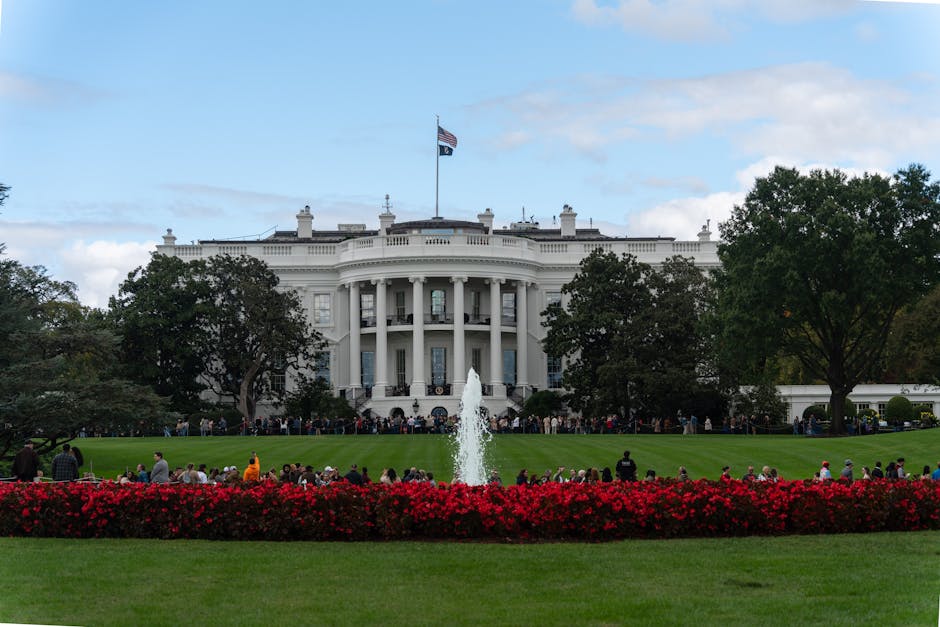
- The US Department of Justice indicted a senior Cuban government official for human rights abuses, but President Trump expects no military escalation.
- Trump’s approach prioritizes ‘freeing up’ Cuba through targeted pressure rather than confrontation.
- Foreign policy analysts debate whether US pressure on Cuba will provoke a backlash or regional instability.
- The measured response reflects the administration’s approach to authoritarian governments in Latin America.
- The US indictment symbolically challenges the Cuban regime’s human rights record but stops short of military action.
Is the United States on the brink of a new Cold War-style standoff with Cuba? The question surged to the forefront after the U.S. Department of Justice unsealed an indictment against a senior Cuban government official linked to human rights abuses and suppression of dissent. Yet, in a surprising pivot, President Donald Trump publicly stated that no military or diplomatic escalation is expected, emphasizing a strategy of “freeing up” Cuba through targeted pressure rather than confrontation. This announcement has sparked intense debate among foreign policy analysts: Can the U.S. effectively pressure the Cuban regime without provoking a backlash or regional instability? And what does this measured response reveal about the administration’s broader approach to authoritarian governments in Latin America?
What Does Trump’s ‘No Escalation’ Statement Actually Mean?

President Trump’s declaration that the U.S. does not anticipate escalation following the indictment of a top Cuban official—widely believed to be a member of Cuba’s security apparatus under the Castro-influenced regime—reflects a deliberate effort to apply legal and diplomatic pressure without triggering a broader conflict. The indictment, issued by a federal court, accuses the official of involvement in extrajudicial killings, arbitrary detentions, and the violent suppression of pro-democracy activists. While such charges are rare and symbolically significant, the administration has stopped short of imposing new broad sanctions or recalling diplomats. Instead, Trump characterized the move as part of a long-term strategy to “liberate the Cuban people” from authoritarian rule while avoiding actions that could unite Cubans around a narrative of U.S. aggression. This approach blends elements of human rights advocacy with Cold War-era rhetoric, but with a clear emphasis on restraint.
What Evidence Supports the U.S. Government’s Case?

The U.S. Justice Department’s indictment is based on years of documented abuses compiled by human rights groups and U.S. intelligence agencies. According to Reuters reporting, the charges stem from incidents tied to the crackdown on the San Isidro Movement and the 27F protests in 2021, during which Cuban authorities detained hundreds and used force against demonstrators. The indictment cites testimony from defectors, satellite imagery of detention facilities, and communications intercepts as evidence linking the accused official to specific acts of repression. In a press briefing, a senior State Department official stated, “This sends a clear message: those who violate human rights will face consequences, even if they operate behind state power.” The move marks only the second time a Cuban official has been indicted by the U.S. on human rights grounds, underscoring its symbolic weight.
What Are the Counterarguments to This Approach?

Despite the administration’s confidence, critics argue that indicting a high-ranking Cuban official without accompanying policy shifts may be more performative than effective. Some Latin America experts warn that such actions could harden the Cuban government’s stance, giving it propaganda fodder to rally nationalist sentiment. “Indictments without follow-through risk appearing as political theater,” said Dr. Maria Lopez, a Cuba analyst at the Wilson Center, in a recent BBC interview. Others point out that past U.S. sanctions and diplomatic pressures have often strengthened, rather than weakened, the Cuban regime’s grip on power. Additionally, there are concerns that focusing on individual accountability overlooks systemic issues, such as economic mismanagement and lack of political pluralism, that sustain repression. Skeptics also question whether the timing—potentially ahead of domestic political events—suggests the move is more about messaging than meaningful change.
What Are the Real-World Implications of This Decision?

The immediate aftermath of the indictment has seen a muted response from Havana, with no reciprocal expulsions or new restrictions on U.S. diplomats. However, the long-term consequences could be significant. For Cuban dissidents, the U.S. action provides a measure of validation and international visibility, potentially emboldening further activism despite ongoing risks. Meanwhile, U.S. allies in the region are watching closely; some Caribbean nations have expressed cautious support, while others, like Mexico and Argentina, have urged dialogue over legal posturing. Economically, the move may influence remittance flows and U.S. travel to Cuba, both of which have been politically sensitive. Most crucially, the decision sets a precedent for how the U.S. handles human rights violations by allied or adversarial governments—raising expectations for accountability without automatic escalation.
What This Means For You
If you’re following U.S. foreign policy, this episode illustrates a growing trend: the use of legal tools, not just military or economic ones, to confront authoritarian practices. It suggests that future administrations may increasingly rely on indictments and international law to apply pressure while avoiding direct conflict. For Americans with family ties to Cuba or those engaged in cultural or religious exchanges, the policy signals continued tension but also a degree of stability in bilateral relations. The broader takeaway is that accountability and restraint can coexist—even in historically fraught relationships.
Yet, critical questions remain unanswered: Will this individual ever face trial, or is the indictment merely symbolic? And can targeted justice truly shift the behavior of entrenched regimes? As global attention turns to other flashpoints, the Cuba case may serve as a quiet test of whether moral diplomacy can yield tangible change without sparking the very escalation it seeks to avoid.
Source: Al Jazeera