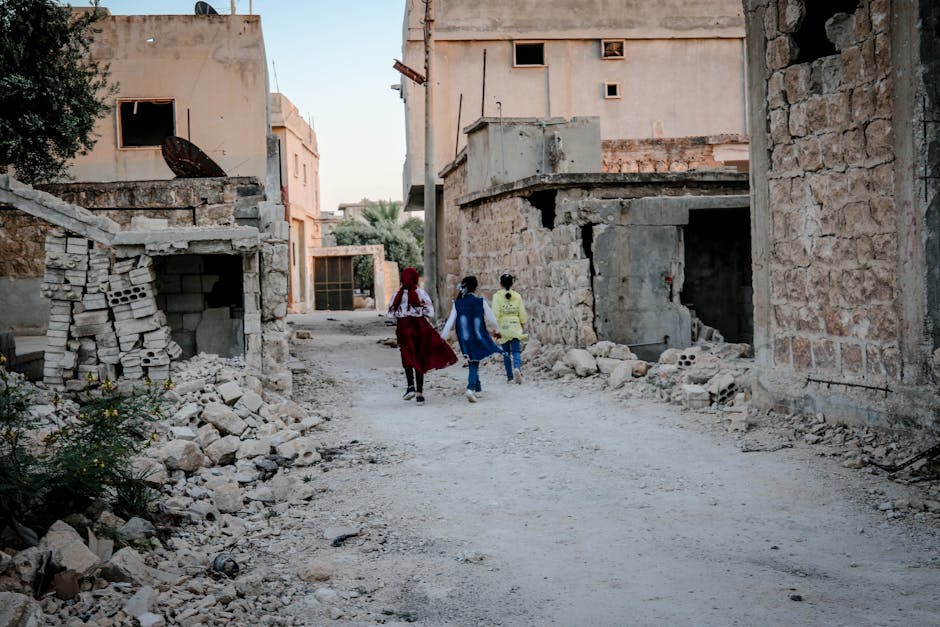
- The Ebola outbreak in eastern Congo has surged by over 300% in three weeks, with more than 180 confirmed cases.
- The swift escalation threatens to overwhelm health systems in a region destabilized by conflict, displacement, and mistrust of government and foreign medical teams.
- The mortality rate nears 50%, making it a significant public health crisis.
- The outbreak is unfolding in a region with over 120 armed groups, making access to affected communities a major challenge.
- The deteriorating security environment has intensified militia activity, attacks on civilians, and health facilities.
In just three weeks, the number of confirmed Ebola cases in eastern Democratic Republic of Congo (DRC) has surged by over 300%, prompting the World Health Organization (WHO) to declare the outbreak is “spreading rapidly” and to upgrade its internal risk assessment to “very high.” The swift escalation threatens to overwhelm already strained health systems in a region destabilized by decades of armed conflict, massive population displacement, and deep-seated mistrust of government and foreign medical teams. As of the latest report, more than 180 suspected and confirmed cases have been recorded across North Kivu and Ituri provinces, with mortality rates nearing 50%. This resurgence comes amid a volatile security situation, where more than 120 armed groups operate, making access to affected communities one of the most dangerous public health challenges in modern history.
Outbreak Amid Ongoing Conflict

The current Ebola flare-up is unfolding in a region that has long been a tinderbox of ethnic tensions, territorial disputes, and armed insurgency. Eastern DRC has seen recurrent Ebola outbreaks since 2018, but the latest surge is particularly alarming due to the deteriorating security environment. Militia activity has intensified in recent months, with frequent attacks on civilians, humanitarian convoys, and health facilities. In some areas, entire villages have been abandoned, and mobile populations are carrying the virus across district lines undetected. The WHO and partners like Médecins Sans Frontières (MSF) have had to suspend operations multiple times due to safety concerns, creating dangerous gaps in surveillance and response. With Ebola’s incubation period lasting up to 21 days, undetected transmission in isolated or inaccessible zones poses a grave regional threat.
Key Details of the Escalating Crisis

The outbreak was first detected in late June 2024 in Beni, a city of over 200,000 people in North Kivu province, after a cluster of hemorrhagic fever cases triggered alarm. Genetic sequencing confirmed the Zaire ebolavirus, the deadliest strain. Since then, cases have spread to neighboring health zones, including Butembo and Komanda, both of which were epicenters during the 2018–2020 outbreak that killed more than 2,200 people. The current response is led by the DRC Ministry of Health with support from WHO, CDC, and Gavi, the Vaccine Alliance. Over 4,500 doses of the rVSV-ZEBOV Ebola vaccine have been deployed, primarily for frontline workers and contacts of infected individuals. However, vaccination campaigns have been repeatedly disrupted by violence—just last week, an MSF clinic was looted in Mabalako, delaying contact tracing and vaccine distribution.
Root Causes and Systemic Challenges

The rapid spread of Ebola in eastern DRC cannot be understood without acknowledging the interplay of public health failure and protracted conflict. Decades of underinvestment in healthcare infrastructure have left the region with fewer than one doctor per 10,000 people. Meanwhile, misinformation and suspicion of Western medicine have fueled community resistance; in several villages, burial teams have been attacked, and patients have fled treatment centers. A 2023 study published in The Lancet found that over 60% of Ebola-related deaths during the last outbreak occurred outside health facilities, often due to delayed care-seeking. Compounding this, the presence of militant groups like the Allied Democratic Forces (ADF) restricts movement and endangers humanitarian access. The WHO has now classified the operational environment as “extreme risk,” a designation previously reserved for war zones like Syria and Yemen.
Humanitarian and Regional Implications

The consequences of an unchecked Ebola outbreak extend far beyond health. Economies in eastern DRC, already weakened by conflict and illicit mining, face further disruption as markets close and cross-border trade slows. Neighboring Uganda and Rwanda have heightened border surveillance, fearing spillover. Uganda, which experienced a separate Ebola outbreak in 2022, has activated rapid response teams and begun pre-emptive vaccination near refugee settlements. Internally, the outbreak exacerbates food insecurity and displacement—over 6 million people are already displaced in the DRC, the highest number in Africa. With health workers stretched thin and medical supplies running low, there are growing fears that other diseases, such as measles and cholera, could surge in parallel, creating a cascading crisis.
Expert Perspectives
Public health experts are divided on the best path forward. Dr. John Nkengasong, former head of the Africa CDC, argues that “the international community must treat this as both a health and a security emergency,” calling for protected humanitarian corridors and military-assisted logistics in high-risk zones. Others, like Dr. Sophie Guitard of MSF, warn that militarizing aid could deepen community mistrust: “When armed escorts accompany health workers, it signals occupation, not care,” she stated in a recent briefing. Meanwhile, epidemiologists stress the need for community-led interventions, citing successful models from the 2014–2016 West Africa outbreak, where local leaders played a critical role in changing behaviors around burial practices and treatment-seeking.
Looking ahead, the trajectory of the outbreak hinges on two factors: security improvements and vaccine equity. The DRC currently relies on limited global stockpiles of the rVSV-ZEBOV vaccine, which are insufficient for mass campaigns. Gavi has pledged additional doses, but delivery timelines remain uncertain. Health officials are also exploring ring vaccination 2.0 strategies, including preemptive vaccination of entire high-risk communities. As rainy season approaches, further complicating travel and surveillance, the window for containment is narrowing. The world is watching—not just for the sake of the DRC, but for the precedent this sets in managing disease in conflict zones.
Source: Yahoo