- Russia’s economy expanded by 3.6% in 2023, defying predictions of collapse due to war and Western sanctions.
- Defense spending now consumes over 30% of the federal budget, eroding real wages and distorting the economy.
- Russia’s economic growth is unsustainable, built on depletion, isolation, and deferred social costs.
- The surge in tank production and drone manufacturing has not improved living standards, but instead led to higher prices and housing shortages.
- Russia’s apparent economic resilience stems from a wartime command economy, rather than innovation or market adaptability.
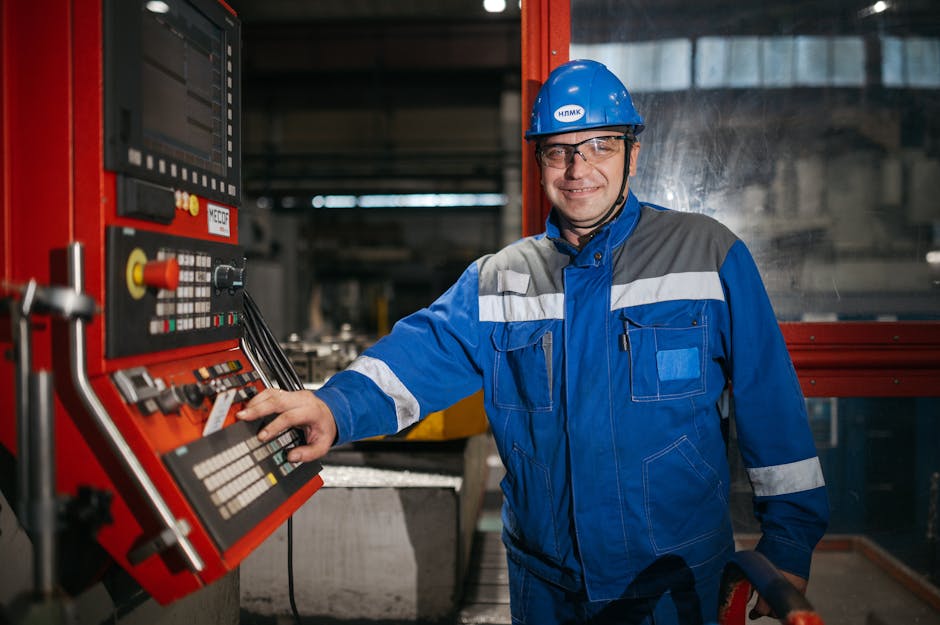
Russia’s economy expanded by 3.6% in 2023, defying predictions of collapse after two years of war in Ukraine and sweeping Western sanctions, according to Rosstat, the country’s official statistics agency. This growth, however, masks a deeper economic distortion: defense spending now consumes over 30% of the federal budget, inflation has eroded real wages, and hundreds of thousands of working-age men have been removed from the labor force through conscription. While state-driven military production fuels short-term GDP gains, economists warn the foundation of this growth is unsustainable, built on depletion, isolation, and deferred social costs. The surge in tank production and drone manufacturing has not translated into improved living standards; instead, average Russians face higher prices, housing shortages in border regions, and growing uncertainty over the future of their economy — a paradox where national accounts rise as household resilience falls.
The Illusion of Resilience

Russia’s apparent economic resilience stems not from innovation or market adaptability but from a full-scale pivot to a wartime command economy. Since 2022, the Kremlin has redirected vast resources toward defense industries, subsidizing arms manufacturers and fast-tracking procurement contracts, which artificially inflates GDP figures. Unlike consumer-driven growth, military output is not subject to market demand, making it a poor indicator of economic health. Meanwhile, capital flight and the exodus of over 1 million skilled workers — largely to Georgia, Armenia, and Central Asia — have created long-term human capital deficits. Sanctions have also crippled access to advanced semiconductors and machinery, forcing reliance on reverse engineering and imports via third countries like China and Turkey. This economic model, reminiscent of the Soviet Union’s final decades, prioritizes state survival over prosperity, raising questions about whether growth numbers reflect reality or propaganda.
Who Is Powering the War Machine?

The backbone of Russia’s wartime economy includes state-owned enterprises like Rostec and Almaz-Antey, which have seen budgets triple since the invasion began. These firms, shielded from market competition, operate under direct Kremlin oversight and benefit from emergency financing mechanisms and tax breaks. Private companies, too, have been conscripted into the war effort: automotive plants now produce military vehicles, while consumer electronics factories retool for drone components. Labor shortages, exacerbated by the partial mobilization of 300,000 men in 2022 and ongoing enlistment drives, have led to increased use of prison labor in defense supply chains — a practice confirmed by investigative outlets such as BBC News. Regional governors are under pressure to meet recruitment and production quotas, blurring the lines between economic planning and military command. The result is an economy increasingly subordinated to the needs of war, with little regard for efficiency, transparency, or civilian welfare.
The Hidden Costs of Growth

Beneath the surface, Russia’s economy is showing signs of severe strain. Inflation reached 7.4% in 2023, driven by supply chain bottlenecks and currency depreciation, while real disposable incomes declined for the third consecutive year. The ruble, once buoyed by energy revenues, has lost nearly 25% of its value against the dollar since 2022. Housing markets in cities near the Ukrainian border, such as Belgorod and Kursk, have collapsed due to repeated shelling and mass evacuations. At the same time, the government has increased the military budget to 4.9% of GDP — the highest level since Soviet times — crowding out funding for healthcare, education, and infrastructure. According to Reuters, the 2024 budget projects a deficit of 1.8 trillion rubles, financed through reserve funds and debt issuance, a trajectory that risks fiscal instability if oil prices fall or military demands escalate further.
Who Bears the Burden?

The costs of sustaining the war economy fall disproportionately on ordinary Russians, particularly low- and middle-income families. Inflation hits essentials like food and transportation hardest, while wage growth lags behind price increases. Rural areas and smaller industrial towns face acute labor shortages as younger workers leave or are drafted, leaving aging populations to maintain agricultural and municipal services. Veterans returning from combat often struggle to reintegrate, with inadequate mental health support and limited job opportunities. Meanwhile, the state’s tightening control over information and dissent suppresses public outcry, but anecdotal evidence from underground labor unions and independent polls suggests growing frustration. The social contract — economic stability in exchange for political acquiescence — is fraying, and with no end to the war in sight, the risk of unrest, though currently low, is rising.
Expert Perspectives
Some analysts argue that Russia’s economy has proven more adaptable than expected. “The Kremlin has exploited energy revenues and a flexible fiscal policy to insulate key sectors,” says Tatiana Voltskaya, senior Russia economist at Oxford Economics. Others are more skeptical. “This isn’t resilience — it’s resource exhaustion,” warns Sergei Guriev, former chief economist at the European Bank for Reconstruction and Development. “You can’t sustain growth by drafting workers, printing money, and cannibalizing imports forever.” The divergence reflects a broader debate: whether Russia has found a new equilibrium or is merely delaying an inevitable correction. What’s clear is that traditional economic indicators no longer capture the full picture in a nation at war.
Looking ahead, the sustainability of Russia’s economic model hinges on the war’s duration and the West’s ability to maintain sanctions pressure. A prolonged conflict could deplete Russia’s financial reserves and accelerate brain drain, while a sudden escalation might trigger deeper isolation. Investors, both domestic and foreign, remain wary. The key question is not whether Russia can keep producing tanks, but whether its people can endure the cost — and for how long.
Source: Telegraph