- Europe’s reliance on Russian gas is rooted in economic reality, not just political ties.
- Aging infrastructure and winter energy demands make it challenging for EU to fully sever ties with Russian gas.
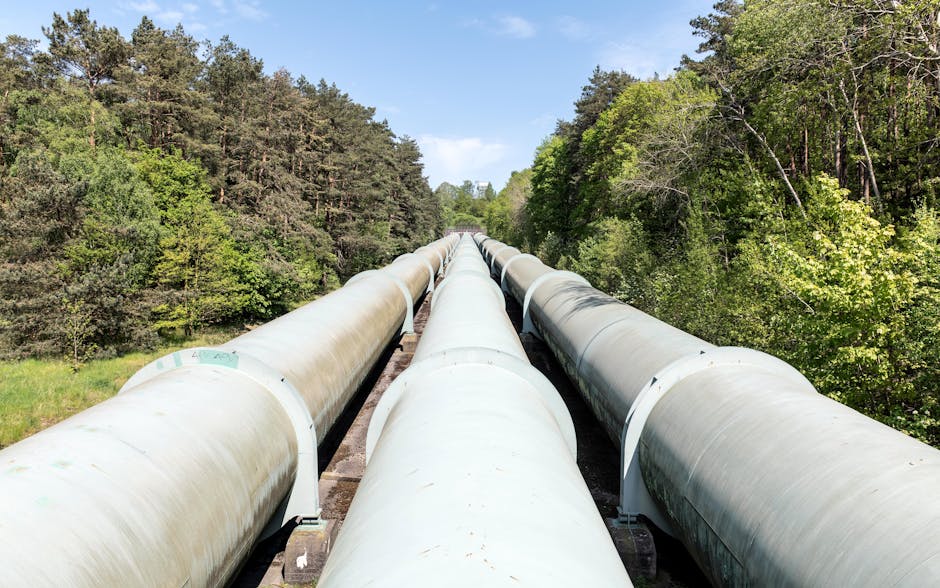
- Despite efforts to diversify, the EU still relies heavily on pipeline infrastructure from Siberia.
- LNG terminals and renewable projects are insufficient to meet long-term demand at competitive prices.
- Economic pragmatism may force the EU to reconnect to Russian gas supplies after the war.
Will Europe’s break from Russian gas be permanent, or is it merely a temporary rupture in a long-standing energy relationship? As the war in Ukraine drags into its third year, a provocative claim has gained traction: that the European Union will eventually resume large-scale imports of Russian natural gas. Hungarian politician Peter Magyar has become one of the most vocal proponents of this view, arguing that despite political rhetoric and sanctions, economic reality will force the continent back into Moscow’s energy orbit. With winter energy demands, industrial reliance on stable supply chains, and aging infrastructure, can Europe truly sever its ties with Russian gas—or is a return inevitable once the guns fall silent?
Will Europe Reconnect to Russian Gas Supplies?

Peter Magyar, a former Hungarian prosecutor turned opposition politician, asserts that after the war, the entire European Union will return to purchasing Russian natural gas. His argument hinges not on political alignment but on economic pragmatism. Russia remains one of the world’s largest natural gas producers, and Europe—despite efforts to diversify—still relies on extensive pipeline infrastructure originally designed to carry gas from Siberia to the heart of the continent. While liquefied natural gas (LNG) terminals and renewable projects have expanded since 2022, Magyar contends they are insufficient to meet long-term demand at competitive prices. He warns that once the immediate moral and political imperative to sanction Russia fades, member states will prioritize affordability and energy security over ideological consistency, especially as voter pressure mounts over high utility costs.
What Evidence Supports a Return to Russian Gas?

Data from the Reuters energy reports show that even after sweeping sanctions, some EU countries continued receiving Russian gas via third parties such as Serbia and Turkey. Additionally, the EU imported record volumes of LNG from the United States and Qatar, but at significantly higher costs than pipeline gas. According to Eurostat, natural gas prices in Europe remain 40% above pre-2022 levels, impacting manufacturing competitiveness. Former European Commission advisor Dr. Elina Bardram stated in a BBC analysis that “existing pipelines like Nord Stream 2, though currently inactive, represent sunk costs that are too substantial to ignore indefinitely.” She added that reconstruction efforts in Ukraine could open backdoor negotiations on gas transit deals, especially if Russia offers steep discounts to regain market share. These factors suggest that economic incentives may outweigh political resistance in the long run.
Are There Opposing Views to This Prediction?

Not all experts agree with Magyar’s forecast. Critics argue that Europe has made irreversible strides in energy independence. The European Green Deal, coupled with massive investments in wind, solar, and hydrogen infrastructure, is designed to reduce fossil fuel dependence by 2030. Countries like Germany have accelerated nuclear phaseouts but simultaneously expanded interconnectors with Norway and Algeria to secure non-Russian pipeline gas. Moreover, the geopolitical stigma of relying on an adversarial state has reshaped public opinion. According to a 2023 European Council on Foreign Relations poll, 68% of respondents in major EU nations oppose resuming Russian gas imports under any circumstances. Skeptics also highlight that repairing trust in Russian supply would require verifiable guarantees on transit security—something Moscow has repeatedly violated. As such, many analysts see Magyar’s prediction as overly cynical, underestimating both institutional momentum and societal resistance to energy realignment with Russia.
What Would This Mean for Global Energy Markets?

If Magyar’s prediction comes true, the implications would ripple across global energy and security frameworks. A return to Russian gas could fracture EU unity, with frontline states like Poland and the Baltics likely to resist any normalization of energy ties with Moscow. It could also undermine Ukraine’s postwar recovery, as energy transit fees currently routed through Ukraine might be rerouted under new agreements bypassing the country. Furthermore, U.S. LNG exporters, who gained significant market share in Europe after 2022, could face pressure to lower prices or risk losing contracts. Strategically, it would signal that economic interdependence can override democratic solidarity, potentially encouraging other authoritarian regimes to weaponize energy in future conflicts. The precedent set by a gas-for-stability tradeoff could redefine how the world balances ethics and economics in foreign policy.
What This Means For You
For European citizens, the debate over Russian gas isn’t abstract—it affects heating bills, job markets, and national security. If the EU resumes imports, expect lower energy prices but renewed vulnerability to geopolitical manipulation. If it holds firm, investments in renewables and energy efficiency may rise, but so could short-term costs. Consumers should prepare for continued volatility and advocate for transparent energy policies that balance affordability with long-term resilience. The choices made today will shape Europe’s energy landscape for decades.
Ultimately, can a region truly decouple from a strategic adversary when economic incentives pull in the opposite direction? And if not, how should democracies redesign energy systems to prevent future coercion? These questions remain unanswered—and increasingly urgent.
Source: News