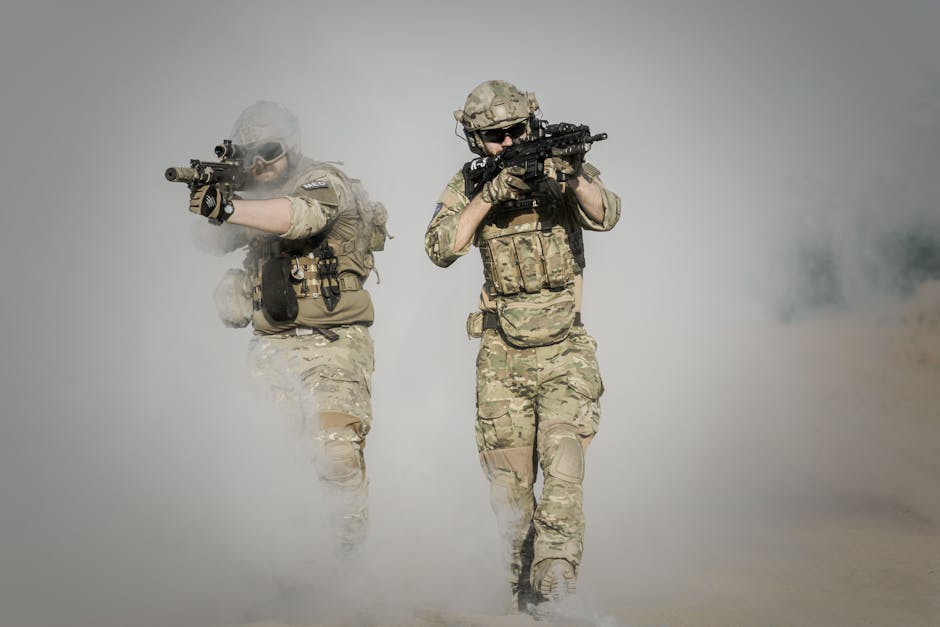
- Ukrainian drones have become more precise in targeting Russian ammunition depots deep behind the front lines.
- Ukrainian forces have reclaimed over 180 square kilometers of territory in the past three months.
- Ukrainian advances have disrupted Russian supply lines and degraded command structures in occupied zones.
- Coordinated drone strikes on Russian logistics hubs have temporarily crippled fuel distribution.
- Ukraine has gained momentum in the war, shifting from survival to recalibrating for a new phase of offense.
Smoke curls from shattered silos on the eastern edge of Donetsk, where the scent of burnt metal lingers in the air. But something has changed. Ukrainian drones no longer drift aimlessly over the trench lines—they strike with precision, hitting Russian ammunition depots deep behind the front. In Kyiv, generals gather in dimly lit war rooms, reviewing maps streaked with new advances. For the first time since the full-scale invasion began, the rhythm of war has shifted. Soldiers return from the line not with tales of retreat, but of regained ground. In a late-night address, President Volodymyr Zelensky stood before a blue and gold backdrop, voice steady, and declared: the momentum has turned. The war, he said, is no longer just about survival—it’s about recalibrating for a new phase of offense.
Frontline Gains Enable Strategic Shift

Ukrainian forces have reclaimed over 180 square kilometers of territory in the past three months, primarily in the Zaporizhzhia and northern Donetsk regions, according to assessments by the Institute for the Study of War. These gains, though incremental, have disrupted Russian supply lines and degraded command structures in occupied zones. In late May, Ukraine launched a series of coordinated drone strikes on Russian logistics hubs in Berdyansk and Melitopol, temporarily crippling fuel distribution. With Western-supplied HIMARS systems now operating with greater range and accuracy, and new FPV drone regiments conducting nightly raids, Ukrainian commanders report a significant drop in Russian artillery barrages. Zelensky’s announcement of long-range strike plans for June signals a move beyond defensive posture—toward a strategy of sustained pressure on occupied rear areas, targeting command nodes, rail junctions, and air defense systems deep inside Russian-held territory.
How Ukraine Rebuilt Its Offensive Edge

The turnaround traces back to the winter of 2023, when Western delays in military aid nearly stalled Ukraine’s resistance. By early 2024, however, the floodgates opened: the United States approved $61 billion in security assistance, including munitions, armored vehicles, and crucially, authorization for certain long-range weapons to strike beyond the immediate front lines. NATO training missions in Germany and the UK accelerated, producing thousands of Ukrainian troops proficient in combined arms tactics. At the same time, Ukraine’s domestic defense industry scaled up drone production, manufacturing over 15,000 reconnaissance and attack drones in the first quarter of 2024 alone. This convergence of external support and internal innovation created the conditions for a shift in operational tempo. Where Ukraine once fought to hold the line, it now seeks to dismantle the enemy’s ability to sustain occupation.
The Architects of Ukraine’s Counterpressure

At the center of this transformation is a coalition of military pragmatists and political strategists. General Oleksandr Syrskyi, Ukraine’s top commander, has championed decentralized, drone-led warfare, reducing reliance on large troop movements that proved costly in 2022 and 2023. Meanwhile, Defense Minister Rustem Umerov has worked quietly to streamline procurement and logistics, ensuring that weapons reach the front without bureaucratic delay. In Kyiv, a cadre of young intelligence officers—many trained in the U.S. and UK—have developed targeting algorithms that pair satellite data with real-time drone feeds, enabling strikes with unprecedented speed. Zelensky, once seen primarily as a morale figure, has evolved into a strategic decision-maker, personally reviewing operational briefings and approving high-risk missions. Their shared objective is clear: erode Russia’s logistical endurance until occupation becomes unsustainable.
Consequences for Ukraine and Its Adversaries

The new offensive posture carries risks. Escalation looms as Ukraine targets areas closer to Russia’s own border, potentially triggering a broader response. Russian state media has already labeled the long-range plans a “terrorist escalation,” and Moscow could respond with increased missile barrages or cyberattacks on European infrastructure. For Ukrainian civilians in frontline cities like Kremenchuk and Dnipro, the shift means renewed danger from retaliatory strikes. Yet the strategic calculus is gaining support among NATO allies, who see Ukraine’s initiative as a way to force negotiations from a position of strength. European defense ministers, meeting in Brussels last week, signaled willingness to supply more advanced capabilities, including longer-range missiles, provided Ukraine adheres to strict targeting protocols. The stakes are rising—but so is the hope of breaking Russia’s war machine through attrition.
The Bigger Picture
This moment transcends Ukraine’s borders. It marks a test of whether a democratic nation, under brutal assault, can leverage innovation, international solidarity, and asymmetric tactics to resist a larger, nuclear-armed aggressor. The war has already reshaped global defense thinking, proving that drones, precision artillery, and decentralized command can offset conventional disadvantages. As other nations watch—from Taiwan to the Baltic states—the lessons are being absorbed: resilience is not just about defense, but about the ability to adapt, strike, and sustain pressure over time. Ukraine’s long-range turn is not just a military shift—it’s a statement of enduring sovereignty.
What comes next may define the war’s endgame. If Ukraine can maintain this momentum through the summer, it could force Russia into a strategic retreat or compel diplomatic overtures from Moscow. But success depends on continued Western unity and Ukraine’s ability to execute complex operations without overreach. The frontlines have shifted—but the hardest battles may still lie ahead. As dawn breaks over the Dnipro, Ukrainian soldiers prepare for another night of drone launches, their eyes fixed not just on holding ground, but on reclaiming it, one kilometer at a time. Recent drone operations have already demonstrated their disruptive potential.
Source: Kyivpost