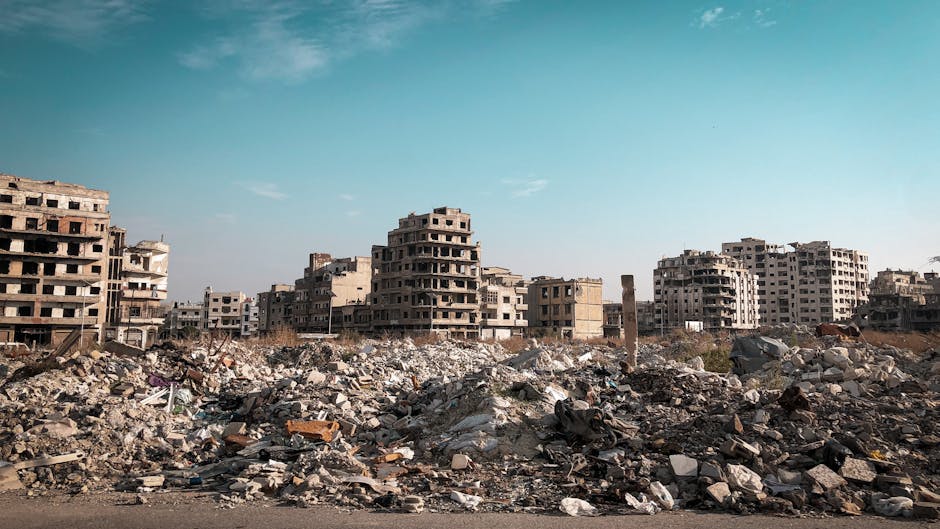
- Israeli airstrikes killed at least 19 people, including 7 children and 4 women, in southern Lebanon.
- The attacks targeted several residential buildings in the town of Burj el-Shemali, causing significant damage and injuring over 30 people.
- The Lebanese Red Cross dispatched additional ambulances and medical teams to assist with the response.
- The United Nations Interim Force in Lebanon condemned the violence and urged parties to respect the ceasefire agreement.
- The strikes occurred just days after a U.S.-brokered ceasefire extension was meant to de-escalate tensions in the region.
Rescuers in southern Lebanon scoured the rubble in Tyre province early Thursday after Israeli airstrikes killed at least 19 people, including women and children, despite a recently extended ceasefire. The attacks targeted several residential buildings overnight, according to Lebanon’s state-run National News Agency. Emergency crews worked through the morning to extract survivors from collapsed structures, as medical facilities in the region reported a surge in trauma cases. The Israeli military has not yet issued a detailed statement on the operation, though regional sources suggest the strikes were aimed at Hezbollah-linked infrastructure.
Death Toll Rises Amid Widespread Damage

Local health officials confirmed that among the dead were seven children and four women, with more than 30 others injured—many critically. The strikes hit multiple neighborhoods in the town of Burj el-Shemali, causing significant structural damage. Hospitals in Tyre are operating beyond capacity, and the Lebanese Red Cross has dispatched additional ambulances and medical teams. Rescue workers used heavy machinery and handheld tools to navigate unstable debris, with eyewitnesses reporting scenes of chaos and grief. The United Nations Interim Force in Lebanon (UNIFIL) condemned the violence, urging all parties to respect the ceasefire agreement.
Escalation Under a Fragile Truce

The attacks come just days after a U.S.-brokered ceasefire extension was meant to de-escalate hostilities between Israel and Hezbollah along the Lebanon-Israel border. Since October 2023, cross-border attacks have displaced over 95,000 people in southern Lebanon, according to Reuters. The current flare-up threatens to unravel diplomatic efforts led by Washington and Paris. Analysts warn that even targeted strikes risk triggering broader conflict, particularly when civilian casualties are involved. Hezbollah has yet to issue a formal response, though past patterns suggest potential retaliatory actions.
What to Watch

Diplomatic envoys from France and the United States are urgently calling for restraint, with a UN Security Council session expected within 48 hours. Israel’s military posture and Hezbollah’s next moves will be critical in determining whether the ceasefire can be restored. Humanitarian organizations are preparing for increased displacement if hostilities resume. Monitoring of border activity and official statements from Tel Aviv and Beirut will be essential in the coming days.
Source: Euronews