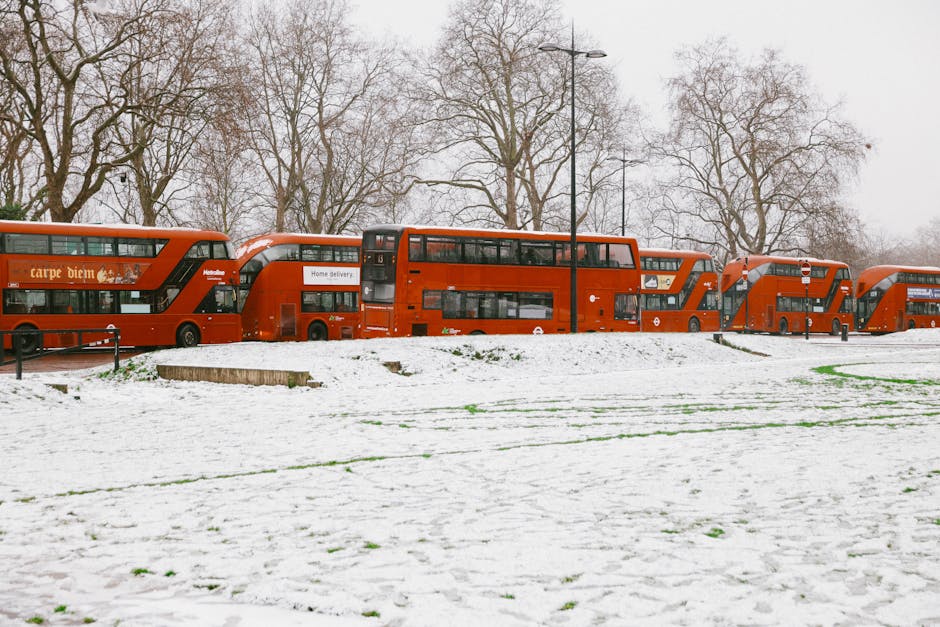
- England’s free bus travel for kids starts August 1, allowing children under 16 to ride local buses nationwide.
- The government-funded initiative aims to reduce the cost of living and promote youth mobility during summer holidays.
- The scheme covers regulated local bus services, excluding private coaches and long-distance operators.
- Transport authorities across England have been instructed to implement the program smoothly, ensuring all eligible children can use the service.
- The £100 million government funding supports the initiative, which is set to benefit over 10 million children in England.
On sun-dappled suburban streets and in the quiet corners of post-industrial towns, the summer hum of England carries a new note of possibility. Children pedal bikes with frayed tassels on the handlebars, clutching crumpled maps to community pools, libraries, and parks miles from home. For many, the distance has long been a barrier—buses a luxury their parents could seldom afford. But this August, a shift is underway. Starting at the beginning of the month, every child in England will be able to board local buses at no cost, a national experiment in accessibility and equity unfolding quietly at bus stops from Newcastle to Brighton. The air smells of diesel and anticipation, as transport networks prepare for an influx of young travelers rediscovering their cities on foot, wheel, and fare-free pass.
Free Travel Rolls Out Across England This August

Beginning August 1, children under the age of 16 will be able to ride local buses anywhere in England without paying a fare. The initiative, backed by £100 million in government funding, is designed as both a cost-of-living relief measure and a tool to encourage youth mobility during the summer holidays. The scheme covers all local bus services operating under regulated routes, excluding private coaches and long-distance operators. Transport authorities across regions—from Transport for London to rural county councils—have been instructed to implement the program seamlessly, ensuring that no child is turned away due to ticketing issues. The Department for Transport emphasized that no formal registration is required; children simply board and ride. Officials estimate that over 10 million young people could benefit, with peak usage expected during school holidays when families seek affordable recreation.
The Road to Fare-Free Youth Transit

The idea of free bus travel for children is not new, but its national implementation marks a turning point in UK transport policy. For years, local pilots in cities like Manchester and Bristol tested reduced or waived fares for youth, often tied to school programs or low-income eligibility. These trials demonstrated measurable gains in school attendance and reduced car dependency. The Labour government, newly elected in July 2024, elevated the concept to a national promise during its campaign, citing the growing financial strain on households. With inflation still affecting essentials and public transport costs rising by an average of 12% since 2022, the pressure on family budgets has been relentless. The current scheme builds on earlier efforts by the previous administration, which offered limited free school transport, but extends access universally and outside the academic calendar—a first in modern British history.
The Architects of Accessibility

Chancellor Rachel Reeves stands at the center of this policy rollout, positioning the initiative as both compassionate and economically strategic. A long-time advocate for equitable public services, Reeves argued in Parliament that mobility is a form of opportunity: “When a child can reach a summer job, a library, or a friend’s house by bus, they’re not just traveling—they’re participating in society.” Her team collaborated with transport unions, local councils, and youth advocacy groups like Campaign for Better Transport to design a plan that is both scalable and inclusive. Behind the scenes, civil servants at the Department for Transport worked through weekends to finalize logistics, while bus operators lobbied for full reimbursement to avoid service cuts. The consensus: this is not just a summer gesture, but a potential model for permanent reform.
Impact on Families and Communities

The immediate effect of the scheme is expected to be financial relief for millions. The average family spends over £60 per month on children’s bus fares, a burden that disproportionately affects single-parent and low-income households. Beyond savings, the policy could reshape how young people engage with their communities. Local councils are pairing the initiative with expanded summer programs—free museum entries, youth sports leagues, and digital literacy workshops—knowing that access means little without destinations. There are also environmental implications: a 2023 University of Leeds study found that fare-free transit for youth reduced short car trips by 18% in trial zones. However, concerns remain about crowding and safety, particularly on late-night routes, prompting some operators to increase youth engagement officers during peak hours.
The Bigger Picture
This initiative reflects a broader rethinking of public transit as a public good rather than a commodity. Across Europe, cities like Tallinn and Luxembourg have embraced fare-free models to reduce inequality and emissions. England’s move, though temporary, signals a willingness to experiment at scale. If successful, it could pave the way for permanent free travel for young people, students, or low-income riders. More than that, it challenges the notion that austerity must be the default response to economic pressure. By investing in access, the government is betting on long-term social returns—healthier, more connected, and economically active communities.
What happens after August remains uncertain. The government has promised an evaluation based on ridership data, parental feedback, and operator reports. If the results show clear benefits, calls for expansion will grow. For now, the message is simple: this summer, every child has the right to ride. And in that small freedom, a larger vision takes shape—one where getting around isn’t a privilege, but a promise.
Source: BBC