- Iran continues diplomatic efforts despite escalating tensions in the Persian Gulf.
- Regional hostilities have reached a boiling point, with 83 days of conflict.
- Iran condemns Israel’s interception of aid flotillas as a violation of international law.
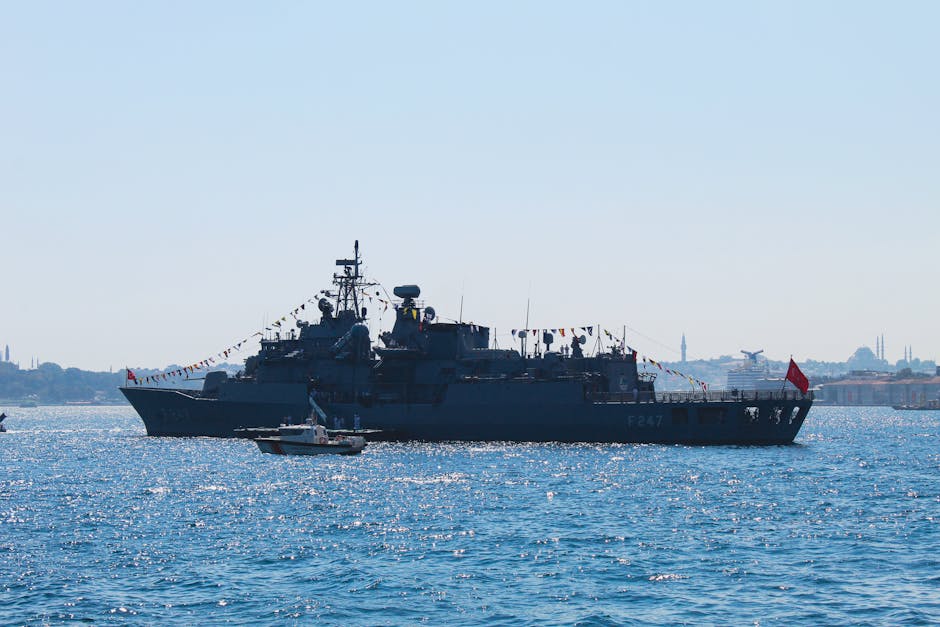
- The Strait of Hormuz is under military strain, with increased Iranian naval activity.
- Commercial shipping premiums have surged 300% due to heightened risk in the area.
Iran has entered a critical phase of diplomatic assessment following the latest U.S. attempt to de-escalate hostilities in the Persian Gulf, as regional tensions reach a boiling point on day 83 of escalating conflict. Despite continued military mobilization near the Strait of Hormuz—a waterway responsible for nearly 20% of global oil shipments—Tehran insists that diplomatic channels remain open. The cautious optimism is overshadowed by outrage over Israel’s recent interception of maritime aid flotillas headed for Gaza, an act Iranian officials have condemned as a violation of international law and a provocation that risks widening the conflict across multiple fronts.
Strait of Hormuz Under Military Strain

Recent satellite imagery and naval intelligence reports reveal a marked increase in Iranian naval and Revolutionary Guard activity near the Strait of Hormuz, where over 17 million barrels of oil pass daily. According to U.S. Central Command, Iran has deployed at least 12 fast-attack craft and three support vessels within 20 nautical miles of the chokepoint since the beginning of the week. Commercial shipping insurers have raised premiums by as much as 300% for vessels transiting the area, reflecting heightened risk. The International Maritime Bureau reports a 40% spike in distress signals from merchant vessels in the Gulf since the conflict intensified. In a related development, the UAE temporarily suspended non-essential maritime traffic through its territorial waters, citing security concerns. These figures underscore the fragility of global energy supply chains as geopolitical brinkmanship threatens one of the world’s most critical maritime corridors. Reuters has documented multiple instances of Iranian vessels shadowing commercial ships, though no direct attacks have been confirmed in the past 72 hours.
Key Players and Shifting Alliances

The central actors in this unfolding crisis include Iran’s Islamic Revolutionary Guard Corps (IRGC), the U.S. Fifth Fleet based in Bahrain, Israel’s Mossad and naval command, and a loose coalition of regional actors including Hezbollah and Yemen’s Houthi movement. Iran’s Foreign Minister, Hossein Amir-Abdollahian, stated that Tehran is ‘seriously reviewing’ a confidential diplomatic proposal relayed through Omani intermediaries—an unusual sign of potential softening. Meanwhile, Israel Defense Forces confirmed the arrest of 32 activists aboard two vessels in international waters, claiming the flotilla carried concealed weapons destined for Hamas. The U.S., while condemning the arrests, has simultaneously reinforced its naval presence in the Gulf, deploying the USS Thomas Hudner to join the USS Ponce in patrol operations. The BBC reports that Saudi Arabia and Qatar have quietly urged both Washington and Tehran to avoid further escalation, fearing spillover effects on regional stability and energy markets.
Diplomatic Trade-Offs and Strategic Risks

The current standoff presents stark trade-offs for all parties involved. For Iran, continuing to posture militarily risks triggering a direct confrontation with U.S. forces, which could lead to devastating retaliatory strikes on its nuclear and energy infrastructure. However, backing down could be perceived domestically as weakness, undermining the IRGC’s influence. For the United States, brokering a de-escalation serves its strategic interest in stabilizing oil flows and preventing another Middle East war, but any perceived accommodation of Iran may embolden hardliners in Tel Aviv and Riyadh. Israel, meanwhile, faces international criticism for its flotilla operations, yet views interdiction as essential to maintaining pressure on Hamas. The humanitarian cost is also mounting: UN agencies report that Gaza’s fuel reserves are nearly exhausted, threatening hospital operations and water desalination plants. The balance between security imperatives and diplomatic restraint has never been more precarious.
Why the Crisis Is Peaking Now

The current escalation follows a precise sequence of triggering events over the past 12 days. First, the IRGC conducted missile tests near the Strait on October 10, citing ‘readiness drills.’ This was followed by the U.S. deployment of additional destroyers on October 13. The turning point came on October 17, when Israeli commandos boarded the MV Salam and MV Hope, vessels registered under Comoros and carrying pro-Palestinian activists. The seizures sparked mass protests in Tehran, Baghdad, and Beirut, giving hardliners in Iran’s parliament momentum to push for retaliatory measures. Crucially, intelligence assessments suggest that Iran had previously agreed to a temporary de-escalation in exchange for sanctions relief talks—but the flotilla incident has derailed that understanding. The timing suggests that both regional and global actors are operating on shortened decision cycles, increasing the risk of miscalculation.
Where We Go From Here
In the next 6 to 12 months, three plausible scenarios could unfold. First, a negotiated freeze: facilitated by Oman or Qatar, Iran and the U.S. could agree to mutual de-escalation—IRGC vessels stand down, and the U.S. eases secondary sanctions on Iranian petrochemicals. Second, a limited conflict: an accidental clash between Iranian speedboats and a U.S. warship sparks a cycle of retaliatory strikes, leading to targeted bombings but no full-scale war. Third, a regional spillover: Hezbollah launches rocket attacks on northern Israel in solidarity with Gaza, prompting Israeli airstrikes on Iranian-aligned targets in Syria, drawing Iran more directly into the conflict. Each scenario hinges on the ability of backchannel diplomacy to outpace military momentum.
Bottom line — while diplomatic openings persist, the narrow window for de-escalation is closing rapidly as military deployments and political pressures intensify across the Middle East.
Source: Al Jazeera