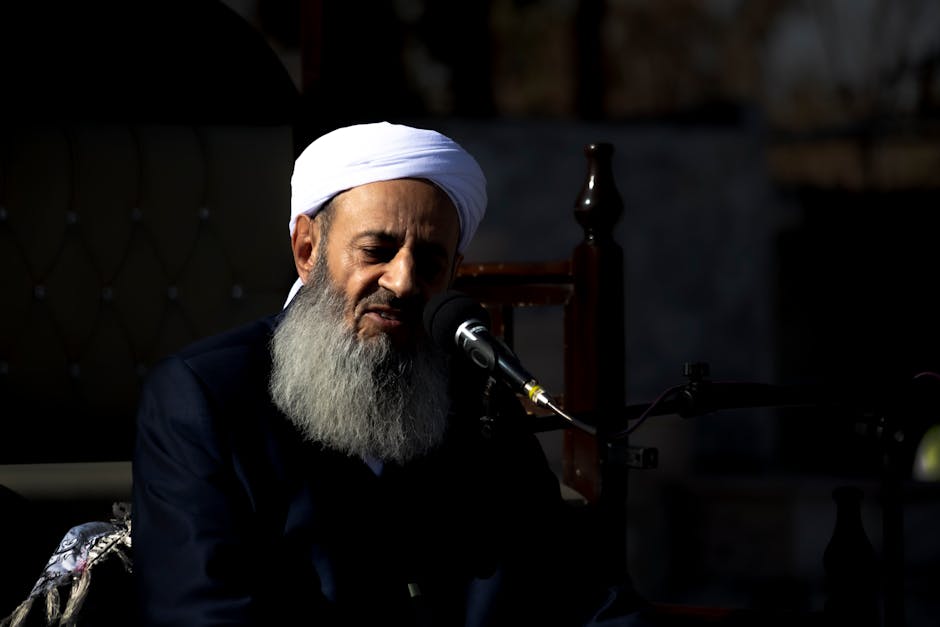
- Iran rejects US pressure, reaffirming its stance on diplomacy over war in the Middle East.
- Israeli military operations in Lebanon have resulted in over 3,000 deaths since March.
- Iran-backed Hezbollah is involved in the conflict, escalating cross-border strikes between Israel and Lebanon.
- Tehran asserts it seeks no direct confrontation but will defend its regional interests.
- Regional stability can only be achieved through dialogue, according to Iranian officials.
Iran has declared it will not surrender to U.S. pressure amid rising regional tensions, reaffirming its stance that diplomacy remains “wiser” than war. The statement comes as Israeli military operations in Lebanon have resulted in 3,073 deaths since March, according to the Lebanese Health Ministry. The conflict, rooted in the broader Israel-Hamas war, has drawn in Iran-backed Hezbollah, escalating cross-border strikes between Israel and Lebanon. Tehran maintains it seeks no direct confrontation but will defend its interests across the region.
Iran Rejects U.S. Pressure, Stresses Diplomatic Path

Iranian officials emphasized that while they do not seek war, they will not capitulate to external demands, particularly from the United States. Foreign Ministry spokesperson Nasser Kanaani reiterated that regional stability can only be achieved through dialogue, not military escalation. The warning follows increased U.S. sanctions and diplomatic isolation targeting Iran’s nuclear program and support for militant groups. Despite the mounting pressure, Iran asserts its regional alliances remain intact and that any military action against its interests will be met with a firm response.
Lebanon’s Human Toll Fuels Regional Crisis

The Lebanese Health Ministry reports that Israeli airstrikes have killed 3,073 people and injured thousands more since March, marking one of the deadliest phases in the Israel-Lebanon conflict in decades. Most casualties are civilians, with entire neighborhoods in southern Lebanon and parts of Beirut reduced to rubble. The violence stems from Hezbollah’s support for Hamas in Gaza, prompting Israel to launch preemptive and retaliatory strikes. Iran, a key ally of both Hezbollah and Hamas, has supplied weapons and strategic support, deepening its entanglement in the conflict. Reuters has documented the rapid escalation along the northern Israeli border.
What to Watch

Regional and global powers are urging de-escalation, with the U.N. and European Union calling for an immediate ceasefire. Analysts warn that any miscalculation could trigger a wider war involving Iran directly. Upcoming diplomatic talks in Geneva may address prisoner exchanges and border security, but trust remains fragile. The U.S. continues to deploy naval assets in the Persian Gulf as a deterrent, while Iran conducts military drills in response. The situation remains volatile, with humanitarian conditions in Lebanon deteriorating rapidly.
Source: Al Jazeera