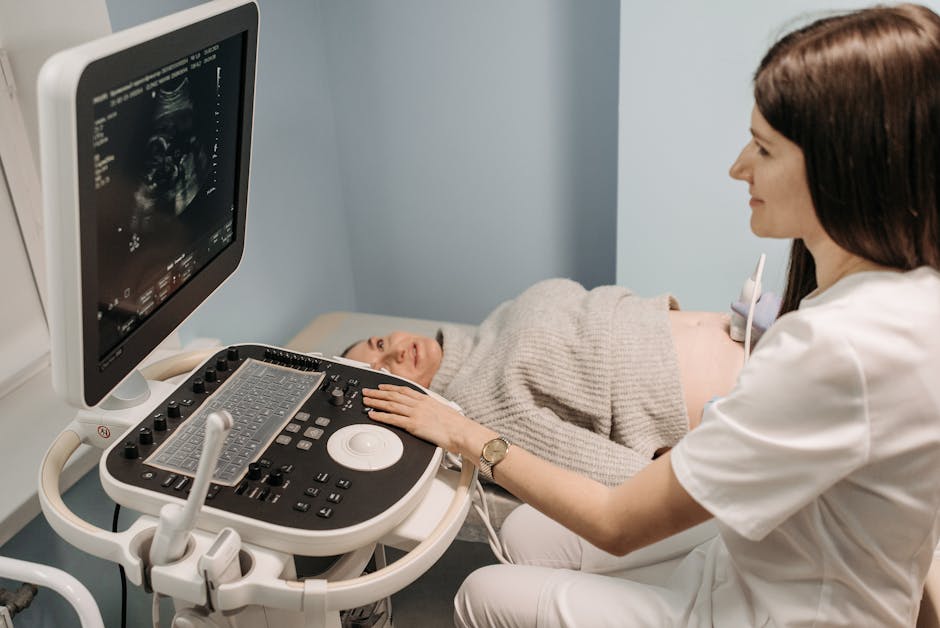
- Delivering early between 34 and 37 weeks reduces severe maternal complications by 47% in high blood pressure cases.
- Planned early delivery lowers the risk of stillbirth and neonatal intensive care unit admissions without increasing cesarean sections.
- Evidence suggests early delivery is safer for both mother and baby in hypertensive pregnancies.
- High blood pressure during pregnancy affects up to 10% of all pregnancies worldwide and is a leading cause of maternal and perinatal morbidity and mortality.
- Expectant management may leave mothers at risk of acute deterioration due to rapidly escalating hypertensive conditions.
For pregnant women with high blood pressure, delivering early may be the safest choice for both mother and baby. A comprehensive review of clinical trials involving over 5,600 women has found that planned delivery between 34 and 37 weeks of gestation reduces severe maternal complications by 47% compared to expectant management—continuing the pregnancy under close monitoring. Crucially, the strategy also lowers the risk of stillbirth and neonatal intensive care unit admissions, without increasing the rate of cesarean sections. These findings, published in the Cochrane Database of Systematic Reviews, challenge long-standing concerns that early delivery might harm the baby or lead to more surgical births, offering a clear evidence-based pathway to improve outcomes in one of the most common and dangerous pregnancy complications.
Why Timing Matters in Hypertensive Pregnancies

High blood pressure during pregnancy affects up to 10% of all pregnancies worldwide and is a leading cause of maternal and perinatal morbidity and mortality. Conditions such as gestational hypertension and preeclampsia can rapidly escalate, leading to organ damage, seizures (eclampsia), stroke, or placental abruption. Historically, clinicians have balanced the risks of premature birth against the dangers of continuing a hypertensive pregnancy. The traditional approach of expectant management—delaying delivery to extend fetal maturity—has often left mothers at risk of acute deterioration. But with advances in neonatal care, babies born after 34 weeks now have excellent survival rates. This shift has prompted a reevaluation of delivery timing, making the new Cochrane evidence particularly timely. The findings provide robust support for a proactive strategy that prioritizes maternal safety without compromising neonatal outcomes.
What the Data Shows About Early Delivery

The Cochrane review analyzed 12 randomized controlled trials conducted across nine countries, including the United Kingdom, the Netherlands, and India, involving women diagnosed with mild to moderate hypertension or preeclampsia after 34 weeks. Participants were randomly assigned to either planned early delivery (induction of labor or cesarean) or expectant management. The results were striking: women in the planned delivery group experienced a 47% reduction in severe maternal complications, including pulmonary edema, eclampsia, and liver or kidney dysfunction. The rate of stillbirth or neonatal death was also lower—5 per 1,000 births versus 14 per 1,000 in the expectant group. Notably, the likelihood of cesarean section was nearly identical between the two groups—around 20%—debunking the assumption that early intervention leads to more surgical deliveries. These findings held true across different healthcare settings, suggesting broad applicability.
Understanding the Mechanism and Medical Rationale

The benefits of early delivery stem from halting the progression of hypertensive disease, which is placenta-driven and only resolved by birth. As preeclampsia worsens, placental insufficiency can compromise fetal oxygen and nutrient supply, increasing stillbirth risk. Meanwhile, maternal systems face escalating stress, particularly on the cardiovascular and renal systems. By delivering before the condition deteriorates, clinicians can prevent life-threatening complications. Improved neonatal intensive care has mitigated the risks of prematurity at 34–37 weeks, making this window a therapeutic sweet spot. According to Dr. Laura Magee, a leading expert in maternal-fetal medicine at King’s College London, “The placenta is the problem, not the baby. Once you remove the source of the pathology, the mother begins to recover.” This physiological insight underpins the shift toward planned delivery as a protective intervention.
Who Benefits Most and What Changes Are Needed

Women with chronic hypertension, gestational hypertension, or mild preeclampsia stand to benefit most from planned early delivery, especially when diagnosed beyond 34 weeks. The findings are particularly impactful in low- and middle-income countries, where access to emergency obstetric care is limited and hypertensive disorders contribute disproportionately to maternal deaths. Implementing this strategy could reduce ICU admissions, emergency interventions, and long-term health consequences for mothers. However, adoption requires systemic changes: standardized protocols for monitoring, timely access to labor and delivery units, and patient education to alleviate fears about preterm birth. In high-resource settings, integrating these findings into clinical guidelines—such as those from the American College of Obstetricians and Gynecologists or the World Health Organization—will be key to consistent practice.
Expert Perspectives
While most maternal health experts welcome the findings, some caution against a one-size-fits-all approach. Dr. Jane Sandall of King’s College London, who was not involved in the review, emphasizes shared decision-making: “Women need to be involved in timing decisions, weighing personal values against clinical risks.” Others note that in cases of severe preeclampsia or fetal growth restriction, delivery may be necessary even earlier. Conversely, in settings without reliable NICU support, the risks of preterm birth may still outweigh benefits. Nevertheless, the consensus is growing that for most women with hypertension near term, early birth is not just safe—it’s protective.
Looking ahead, researchers are exploring biomarkers and predictive models to better identify which women will benefit most from early delivery. Ongoing trials are also assessing outcomes beyond 37 weeks and in diverse populations. As healthcare systems integrate these findings, the standard of care for hypertensive pregnancies is poised for a transformation—one that puts evidence, safety, and patient-centered care at the forefront.
Source: MedicalXpress