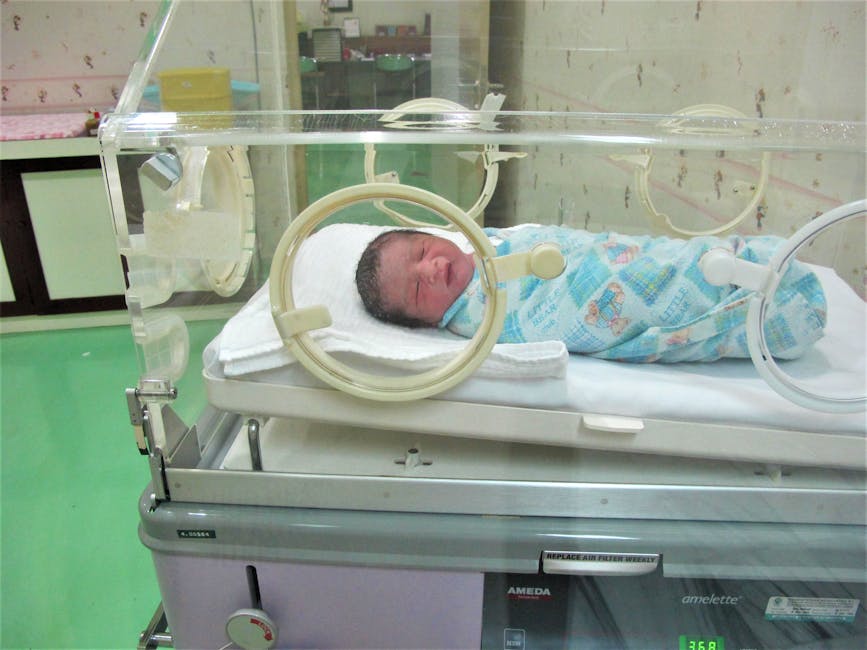
- Extremely preterm birth interrupts a critical phase of brain development, known as the third-trimester neurodevelopmental surge.
- The human brain is highly vulnerable to external stimuli during this period, and early birth can disrupt its delicate development.
- Infants born before 28 weeks are exposed to artificial light, mechanical sounds, and medical interventions, which can alter their brain’s blueprint.
- These early experiences may have long-lasting effects on learning, memory, and behavior in extremely preterm infants.
- The womb provides a stable environment for brain development, shielding the fetus from sensory overload and regulating temperature and nutrition.
What happens to the human brain when it’s forced to develop months outside the womb? That’s the question increasingly confronting neonatologists, neuroscientists, and parents as survival rates for infants born before 28 weeks rise. These babies—often weighing less than two pounds—enter a world of artificial light, mechanical sounds, and medical interventions at a stage when, under normal circumstances, they would still be shielded in the dark, quiet, and warmth of the uterus. The brain at this stage isn’t just growing; it’s orchestrating an intricate sequence of folding, synaptic formation, and network organization essential for future cognitive abilities. When this process unfolds in an ICU instead of the womb, the implications for learning, memory, and behavior may be profound. How does such early birth alter the brain’s blueprint?
How Does Extreme Prematurity Disrupt Brain Development?

Extremely preterm birth interrupts a pivotal phase of brain development known as the third-trimester neurodevelopmental surge. Between weeks 24 and 36 of gestation, the brain undergoes rapid expansion, cortical folding, and the establishment of long-range neural connections. These processes are finely tuned by the womb’s stable environment—buffered from sensory overload, regulated in temperature, and nourished through the placenta. When birth occurs before 28 weeks, this delicate program is thrust into an environment of sensory bombardment, inconsistent sleep cycles, and frequent procedural pain. The brain must adapt on the fly, often rewiring circuits under stress. Studies using MRI have shown that preterm infants exhibit altered white matter development and reduced cortical surface area compared to full-term peers. These structural differences correlate with later challenges in executive function, attention, and language acquisition, suggesting that the early external environment plays a critical role in shaping the brain’s foundational architecture.
What Do Brain Scans and Longitudinal Studies Show?

Advanced neuroimaging has provided compelling evidence that the brains of extremely preterm infants follow a different developmental trajectory. A landmark 2021 study published in Nature Medicine tracked over 800 preterm infants using serial MRI scans and found persistent differences in gray and white matter volume, even after accounting for post-conceptional age. The study revealed that early exposure to the neonatal intensive care unit (NICU) environment—particularly prolonged ventilation and pain-related procedures—was associated with reduced cerebellar growth and disrupted thalamocortical connectivity. Further, longitudinal data from the EPICure2 cohort, which followed children born before 27 weeks into adolescence, showed that nearly half experienced significant neurodevelopmental impairments, including ADHD, learning disabilities, and lower IQ scores. According to the World Health Organization, approximately 15 million babies are born preterm each year, with the most extreme cases facing the highest neurological risks. These findings underscore that survival alone is not the endpoint—neurological outcomes must be central to care.
Are All Experts Convinced the Damage Is Permanent?

While many studies highlight deficits, a growing body of research emphasizes the brain’s remarkable plasticity, especially in early life. Some neuroscientists argue that while preterm brains show structural differences, these do not necessarily equate to functional limitations. For example, a 2023 study from King’s College London observed that certain preterm children developed compensatory neural pathways, particularly in language and emotional regulation networks, suggesting adaptive rewiring. Critics of deterministic models caution against labeling preterm infants as inherently impaired, noting that outcomes are highly variable and influenced by postnatal care, socioeconomic status, and early intervention. Moreover, emerging therapies—such as family-centered NICU models, kangaroo care, and noise reduction protocols—are showing promise in mitigating some adverse effects. The debate centers on whether early brain differences reflect fixed vulnerabilities or dynamic adaptations to a challenging start in life.
What Are the Real-World Implications for Families and Systems?

The long-term impact of extreme prematurity extends far beyond the NICU. Children who survive early birth often require specialized educational support, speech therapy, and mental health services. A 2022 report from the CDC highlighted that preterm-born children are twice as likely to receive individualized education plans (IEPs) compared to their full-term peers. Families face emotional, financial, and logistical burdens, while healthcare systems grapple with the need for sustained follow-up care. Yet, there are also stories of resilience: many preterm individuals go on to lead independent, successful lives. The key appears to be early detection and intervention. Programs like the Infant Development Program at Boston Children’s Hospital use developmental surveillance from infancy to identify delays early, allowing for targeted support. As survival rates improve, the focus must shift from merely keeping infants alive to optimizing their cognitive and emotional futures.
What This Means For You
If you’re a parent, caregiver, or healthcare provider, understanding the neurological risks of extreme prematurity can empower earlier action. Early developmental screening, enriched home environments, and consistent medical follow-up can make a measurable difference in outcomes. While the brain’s early adaptations may pose challenges, they also reflect an incredible capacity to reorganize and overcome adversity. Awareness, not alarm, should guide our response.
As science continues to unravel how the brain navigates such an abrupt entry into the world, a deeper question remains: Can we redesign the NICU not just to save lives, but to protect the delicate process of brain development itself? The answer may reshape neonatal care for generations.
Source: MedicalXpress