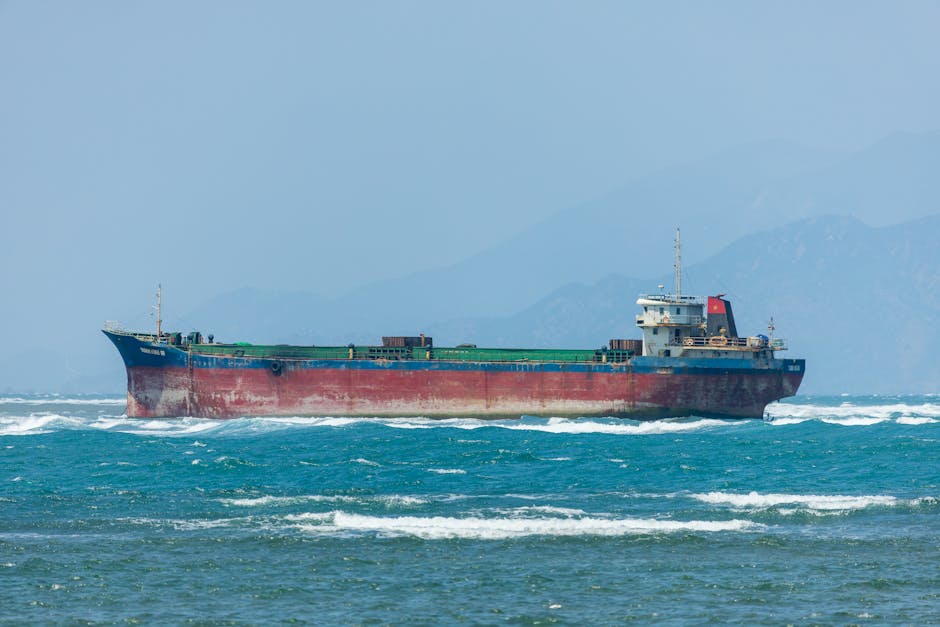
- Israel’s naval forces fired on the Global Sumud Flotilla, injuring one activist with rubber-coated bullets.
- The incident has reignited debate over Israel’s maritime blockade and use of force against non-military vessels.
- Human rights groups argue that using kinetic projectiles against unarmed civilians violates international norms.
- The use of force may constitute excessive force under the United Nations Convention on the Law of the Sea.
- The flotilla was carrying humanitarian aid to the besieged Gaza Strip, including food, medical supplies, and solar equipment.
Israeli naval forces have opened fire with what appear to be rubber-coated bullets on the Global Sumud Flotilla, a civilian-led humanitarian mission en route to deliver aid to the besieged Gaza Strip, injuring at least one activist. The incident, which occurred approximately 50 nautical miles off the Gaza coast, has reignited global debate over Israel’s maritime blockade and the use of force against non-military vessels. While Israel maintains the right to intercept vessels approaching its territorial waters without coordination, human rights groups and maritime law experts argue that the use of kinetic projectiles against unarmed civilians violates international norms and potentially constitutes excessive force under the United Nations Convention on the Law of the Sea.
Incident Footage and Injury Reports

Video footage obtained by BBC News shows Israeli naval personnel boarding a rigid-hulled inflatable boat near the Global Sumud, a small vessel carrying food, medical supplies, and solar equipment. In the footage, crew members are seen holding up white flags before what appears to be rubber-coated metal rounds strike the deck and one activist in the leg. The injured individual, identified as British national Samir El-Masri, was treated on board and later evacuated to a hospital in Cyprus after the vessel was redirected. Forensic analysis of the projectiles recovered by the flotilla team suggests they were 40mm sponge-tipped or rubber-coated rounds, typically used for crowd control but deemed hazardous at close range or over water. According to the International Committee of the Red Cross (ICRC), such projectiles should only be deployed as a last resort and never against individuals not posing imminent threat.
Key Actors and Their Stances

The Global Sumud Flotilla is organized by the Free Gaza Movement and allied NGOs based in Europe and North Africa, with stated goals of challenging Israel’s 17-year blockade and delivering humanitarian aid directly to Gaza’s civilian population. Israel’s Ministry of Defense, in a statement, labeled the flotilla as a ‘provocation orchestrated by activist groups with ties to anti-Israel networks’ and claimed the vessel ignored repeated radio warnings. The Israeli Defense Forces (IDF) maintain that all maritime approaches to Gaza are subject to inspection under Security Council Resolution 1860, which calls for humanitarian access but also recognizes Israel’s right to self-defense. Meanwhile, the United Nations Office for the Coordination of Humanitarian Affairs (OCHA) reiterated its call for ‘unimpeded, safe, and predictable’ aid delivery to Gaza, noting that over 80% of the population is currently in need of assistance.
Security Versus Humanitarian Access Trade-Offs

The use of force against civilian aid vessels presents a complex dilemma between national security imperatives and humanitarian obligations. Israel argues that uncoordinated maritime arrivals could be exploited for smuggling weapons or infiltrating operatives, citing past incidents such as the 2010 Mavi Marmara raid, which left nine dead. However, critics point out that the Global Sumud carried no cargo that could be construed as dual-use and had offered to allow third-party inspection. Legal scholars at International Committee of the Red Cross emphasize that intercepting aid missions is permissible only if conducted proportionally and without endangering lives. The broader cost of such actions may be the erosion of trust in international humanitarian mechanisms and the further isolation of Gaza’s 2.3 million residents, over half of whom are children.
Why the Timing Matters Now

The flotilla incident occurs amid a sharp deterioration in humanitarian conditions in Gaza, following months of intensified conflict and severely restricted land-based aid convoys. UN reports from April 2024 indicate that daily truck deliveries have fallen below 100, a fraction of the 500-truck minimum recommended to meet basic needs. With land crossings frequently closed due to security operations, maritime aid has re-emerged as a focal point for activist groups. The Global Sumud mission is the first major attempt since 2018 to breach the naval blockade, reflecting growing frustration with the inefficacy of diplomatic channels. Israel’s response suggests a hardening stance, possibly intended to deter future attempts, but risks amplifying global criticism at a time when its international standing is already under strain.
Where We Go From Here
In the coming months, three scenarios are plausible. First, Israel may continue intercepting unauthorized vessels with non-lethal force, setting a precedent that could invite legal challenges at the International Criminal Court. Second, increased pressure from European governments and the UN could lead to negotiated corridors for civilian-led aid missions under international supervision. Third, further incidents at sea could escalate tensions, potentially drawing in regional actors or prompting broader sanctions debates at the UN Security Council. Each path carries significant diplomatic, legal, and humanitarian consequences.
Bottom line — while Israel retains the right to secure its waters, the use of kinetic force against clearly marked humanitarian vessels undermines its claims of compliance with international law and risks deepening the humanitarian crisis in Gaza.
Source: Al Jazeera