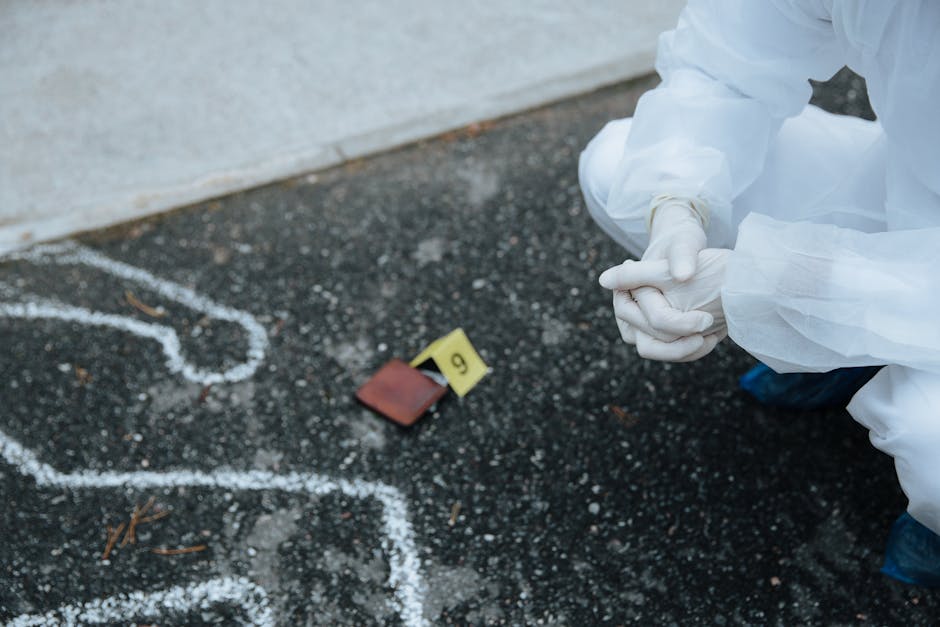
- Three people were killed in a mosque attack in San Diego, California, with authorities investigating it as a potential hate crime.
- The shooter, armed with a semi-automatic rifle, fired at least 17 rounds into a group of worshippers exiting evening prayers.
- Eyewitnesses reported hearing the suspect shout anti-Muslim slurs before and during the attack.
- The FBI has recovered a journal from the suspect’s residence containing anti-Islamic rhetoric and references to far-right extremist ideologies.
- The attack marks a disturbing escalation in religiously motivated violence in the United States.
Three individuals have been confirmed dead in a violent attack on a mosque in San Diego, California, with authorities identifying Mansour Kaziha and Nader Awad as two of the victims. The third victim remains unnamed pending family notification. The assault, which occurred during evening prayers, is now under federal and local investigation as a potential hate crime. Early evidence, including eyewitness testimony and recovered materials at the scene, suggests the shooter targeted the Islamic center due to anti-Muslim sentiment, marking a disturbing escalation in religiously motivated violence in the United States.
Forensic and Investigative Evidence Points to Hate Motive

According to the San Diego Police Department and FBI Joint Terrorism Task Force, ballistic evidence, surveillance footage, and digital forensics have established a timeline of the attack that began at approximately 7:14 p.m. outside the Islamic Center of San Diego in the Kearny Mesa neighborhood. The shooter, later apprehended at the scene with a legally acquired semi-automatic rifle, fired at least 17 rounds into a group of worshippers exiting evening prayers. Autopsy reports confirm all three victims died from gunshot wounds. Crucially, two witnesses reported hearing the suspect shout anti-Muslim slurs before and during the attack. The FBI has recovered a journal from the suspect’s residence containing anti-Islamic rhetoric and references to far-right extremist ideologies, now undergoing forensic analysis. This combination of physical and ideological evidence has led federal investigators to classify the incident under the Matthew Shepard and James Byrd Jr. Hate Crimes Prevention Act.
Key Actors: Victims, Suspect, and Institutional Responders

Mansour Kaziha, 42, a Yemeni-American engineer and father of two, had been a community leader at the mosque for over a decade, frequently organizing youth programs and interfaith dialogues. Nader Awad, 38, a Palestinian-American small business owner, was known for his charity work aiding refugees resettling in Southern California. The third victim, whose identity has not yet been released, was visiting the mosque from Los Angeles. The suspect, 34-year-old Ethan Reed of El Cajon, was arrested at the scene with minor self-inflicted injuries after a brief standoff. Reed has a prior misdemeanor for cyberstalking but no known felony record. Local law enforcement, the FBI, and the U.S. Attorney’s Office for the Southern District of California are now coordinating the prosecution, while the Department of Justice has deployed hate crimes experts to assist. Community leaders, including the Council on American-Islamic Relations (CAIR), have demanded a federal civil rights investigation.
Trade-Offs Between Security and Religious Freedom

The attack reignites debate over the balance between protecting religious institutions and preserving open access to places of worship. While many Muslim communities have long advocated for increased security funding, concerns persist that militarizing religious spaces may alienate congregants and contradict values of openness. In 2023, only 12% of U.S. mosques received federal security grants, despite a 37% increase in reported anti-Muslim incidents tracked by CAIR. The San Diego mosque had no armed guards and limited surveillance, as leaders emphasized trust over fear. Yet, in the aftermath, community members are divided—some calling for bulletproof glass and patrols, others warning against normalizing fear. Nationally, the Department of Homeland Security has issued advisories to religious institutions, but funding remains inconsistent. The incident underscores a broader dilemma: how to safeguard civil liberties without transforming sacred spaces into fortified compounds.
Why This Attack Marks a Turning Point

This assault stands out not only for its lethality but for occurring in a city with a historically low rate of religious violence. San Diego has not seen a fatal attack on a house of worship since 1999, and the Islamic Center had previously reported only minor vandalism. However, recent FBI data shows a 24% spike in anti-Muslim hate crimes nationwide since 2020, paralleling increases in anti-Semitic and anti-Asian incidents. Social media monitoring reveals a surge in extremist rhetoric targeting Muslim communities, particularly in the wake of regional conflicts in the Middle East. The timing of this attack—coinciding with heightened geopolitical tensions—raises concerns that domestic extremism is becoming more emboldened and ideologically driven. Unlike isolated acts of vandalism, this was a planned, armed assault on a specific community, suggesting a shift from harassment to lethality.
Where We Go From Here
In the next 6 to 12 months, three scenarios could unfold. First, federal prosecutors may pursue hate crime and domestic terrorism charges against the suspect, setting a precedent for how similar cases are handled. Second, Congress could revisit the Nonprofit Security Grant Program, potentially expanding funding for minority religious institutions. Third, community-led initiatives may emerge to strengthen interfaith coalitions and counter extremist narratives, as seen after the 2019 Christchurch mosque attacks. However, without sustained policy action, experts warn such attacks may become more frequent. The response will depend not only on law enforcement but on civic leadership and public will to confront the roots of religious hatred.
Bottom line — The San Diego mosque attack is a stark reminder that religious tolerance in America remains under threat, requiring both immediate justice and long-term cultural resilience to prevent further bloodshed.
Source: Al Jazeera