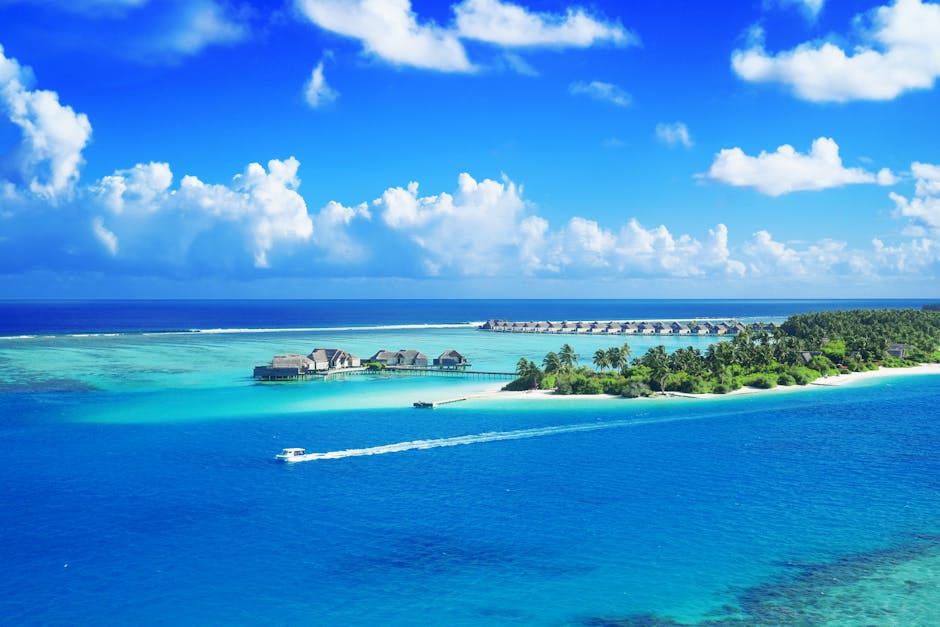
- Four experienced divers vanished during a recreational dive in the Maldives and their bodies were later recovered from a lagoon near North Male Atoll.
- The divers failed to resurface after a scheduled dive, suggesting a possible equipment failure or navigational error.
- The incident highlights the risks of diving in remote marine environments, even for seasoned enthusiasts.
- Safety oversight on independent dive excursions remains inconsistent in the Maldives.
- The tourism sector accounts for nearly 30% of the nation’s GDP, but safety measures may not be keeping pace.
In a grim resolution to a three-day search, the bodies of four divers who vanished during a recreational dive in the Maldives have been recovered from a lagoon near North Male Atoll. The divers, all experienced and traveling as a group, were reported missing after failing to resurface following a scheduled dive on Tuesday morning. Local coast guard officials confirmed the recovery operation concluded late Friday, with the bodies located at a depth of approximately 28 meters—beyond the typical recreational limit—entangled in submerged reef structures. The incident has sent shockwaves through the global diving community, raising alarms about safety protocols in one of the world’s most renowned diving destinations, which attracts over 1.5 million tourists annually, many drawn specifically for its rich marine biodiversity and underwater visibility.
Why This Tragedy Resonates Beyond the Maldives

The Maldives, an archipelago of 26 atolls in the Indian Ocean, is consistently ranked among the top five diving locations globally, known for its vibrant coral reefs and encounters with manta rays, sharks, and turtles. However, this high-profile incident underscores the inherent risks of diving in remote marine environments, even for seasoned enthusiasts. While the tourism sector accounts for nearly 30% of the nation’s GDP, safety oversight on independent dive excursions remains inconsistent. The four victims—two French nationals, a British couple—had opted for a less-regulated local operator rather than a resort-affiliated dive center, a choice increasingly common among adventurous travelers seeking uncharted dive sites. The delay in reporting their absence, nearly four hours after their expected return, further complicated rescue efforts and has prompted calls for stricter monitoring of dive operations in remote zones.
What Led to the Fatal Dive?

According to preliminary reports from the Maldivian National Defence Force (MNDF), the group departed from a small harbor on the island of Guraidhoo around 9:15 a.m. local time, heading to a reef known locally as ‘Manta Point,’ a site popular for drift diving due to frequent strong currents. Divers typically use surface marker buoys and dive computers to navigate, but investigators have not ruled out the possibility of equipment malfunction or decompression errors. Sonar scans revealed the divers’ descent path veered off the planned route, possibly due to an unexpected current surge. The group was equipped with standard open-circuit scuba gear, and while all had advanced certification, none had specialized training for deep or technical diving. A witness aboard a nearby dive boat reported seeing bubbles surface erratically before they abruptly ceased, suggesting a possible entanglement or rapid descent beyond safe limits.
Analysis: The Hidden Dangers of Recreational Diving

Diving fatalities remain relatively rare but are disproportionately concentrated in areas with strong oceanographic conditions and limited emergency infrastructure. According to data from Divers Alert Network (DAN), roughly 100 diving deaths are reported globally each year, with entrapment, rapid ascent, and cardiac events as leading causes. In the Maldives, the combination of powerful tidal flows, deep drop-offs, and isolated dive locations increases risk, particularly when local operators bypass standardized safety checks. A 2022 audit by the Maldivian Ministry of Tourism found that 40% of independent dive operators lacked certified dive masters on site, and emergency oxygen units were absent in over a quarter of inspected boats. Environmental factors, including rising sea temperatures linked to climate change, may also be altering current patterns, making once-predictable dive sites more hazardous. Experts stress that while the allure of untouched reefs is strong, diver education and regulatory enforcement must evolve in tandem.
Implications for Divers and the Tourism Industry

The recovery of the four bodies has immediate implications for both international tourism and local regulatory frameworks. Families of the victims are expected to pursue legal inquiries into the operator’s compliance with safety standards, while travel advisories from France and the UK may temporarily affect dive tourism in the region. Resort-based dive operators, who adhere to international safety norms, are likely to benefit from renewed scrutiny on independent charters. More broadly, the tragedy spotlights the need for a centralized diving incident reporting system in the Maldives, which currently lacks a unified database for accidents. Without such transparency, patterns of risk remain invisible, and preventable tragedies may recur.
Expert Perspectives
“Recreational diving is safe when protocols are followed, but complacency kills,” said Dr. Lena Moreau, a hyperbaric medicine specialist at the U.S. National Institute for Occupational Safety and Health. “Going beyond 30 meters without proper training drastically increases nitrogen narcosis risk.” Conversely, Ahmed Naseer, head of the Maldivian Dive Operators Association, argued that “most incidents stem from individual diver error, not systemic failure,” emphasizing the importance of personal responsibility. Still, experts agree that better coordination between coast guard units, dive operators, and international embassies could improve emergency response times in remote atolls.
As investigations continue, authorities are reviewing whether mandatory tracking devices or real-time dive logging should be required for all commercial dives. With the Maldives preparing for a record tourism season, the balance between adventure and accountability remains delicate. The question now is whether this tragedy will catalyze lasting reform—or become another footnote in the hidden cost of ocean exploration.
Source: News