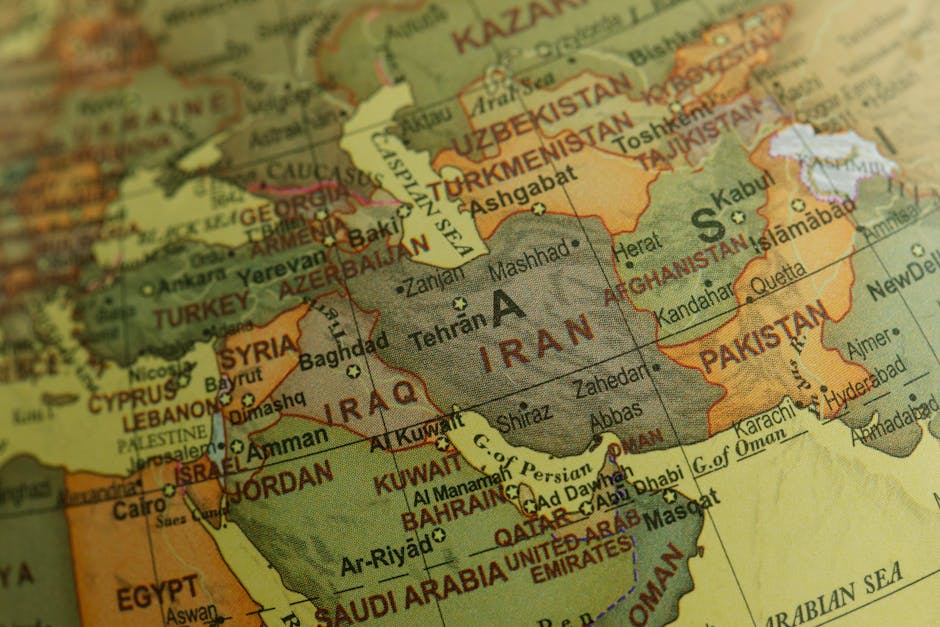
- Syria is leveraging its geographic location to become a potential logistical alternative in the Strait of Hormuz crisis.
- The country’s Mediterranean coastline and overland connections to Iraq and Iran make it an attractive option for trade.
- Syria’s emergence as a trade pivot is a result of shifting alliances and a disrupted region.
- The ‘land bridge’ corridor connecting Syria, Iran, and Iraq is becoming increasingly used to bypass maritime risks.
- Syria’s damaged infrastructure is being overlooked in favor of its strategic location in the region.
What happens to global trade when a critical chokepoint like the Strait of Hormuz is blocked? The question has taken on urgent relevance amid escalating tensions in the Persian Gulf, where attacks on commercial vessels and naval standoffs have disrupted one of the world’s busiest oil transit routes. While much of the world worries about energy shortages and soaring shipping costs, another country—long sidelined by conflict—is unexpectedly finding opportunity in the chaos: Syria. Once a war-ravaged economy dependent on aid and sanctions-busting networks, Syria is now emerging as a potential logistical alternative, leveraging its Mediterranean coastline and overland connections to Iraq and Iran. But how can a nation still reeling from over a decade of war position itself as a trade pivot?
Syria’s Geographic Advantage in a Disrupted Region

The answer lies in geography and shifting alliances. The Strait of Hormuz, linking the Persian Gulf to the Arabian Sea, handles about 20% of the world’s oil supply, according to the U.S. Energy Information Administration (EIA). When access is threatened, regional actors seek overland alternatives. Syria, despite its damaged infrastructure, connects directly to Iran via Iraq through a corridor known as the ‘land bridge’—a route increasingly used to bypass maritime risks. Iran, a key ally of the Syrian government, has invested in repairing roads and border crossings to move goods from the Persian Gulf through Iraq and into Syria’s port of Latakia. This overland route reduces reliance on vulnerable sea lanes and gives Damascus a strategic role in a new trade circuit that bypasses Saudi Arabia and the UAE. While Syria’s economy remains fragile, this shift has brought new customs revenue, construction contracts, and informal markets back to life.
Infrastructure Projects and Regional Investment

Concrete evidence of this transformation is emerging. Satellite imagery analyzed by Reuters has shown increased activity at border crossings like Al-Bukamal between Iraq and Syria, with convoys of trucks moving goods regularly since 2022. In 2023, Iranian-backed militias and Syrian state entities began upgrading the M4 and M5 highways—key arteries linking Damascus to Aleppo and the Iraqi border. Furthermore, Russia, another Syrian ally, has discussed expanding port facilities at Tartus, its naval base on the Mediterranean, potentially turning it into a regional transshipment hub. According to a report by the International Crisis Group, “Damascus is no longer just a battlefield but a logistical node in a broader axis of resistance supply chains” (Crisis Group). Even non-regional players are taking note: Chinese firms have expressed interest in port development as part of broader Belt and Road engagement, seeing Syria as a future gateway to Arab markets if stability improves.
Skeptics Question Long-Term Viability

Despite these developments, many experts remain cautious. Syria’s infrastructure is still far from reliable, with frequent power outages, fuel shortages, and damaged roads outside major cities. The World Bank estimates that over 60% of Syria’s industrial capacity was destroyed during the civil war, and foreign direct investment remains minimal due to sanctions and political risk. Critics argue that the current trade activity is more about military logistics and sanctions evasion than sustainable economic growth. As one analyst from Chatham House noted, “This isn’t trade diversification—it’s rerouting smuggling networks under a veneer of state legitimacy.” Additionally, regional rivals like Turkey and Israel oppose Iranian influence in Syria and could sabotage infrastructure projects or launch airstrikes, as seen in previous attacks on Syrian military sites. Without broad international recognition or peace, Syria’s role may remain limited to serving the interests of its allies rather than becoming a true trade hub.
Real-World Impact on Local Economies

Yet on the ground, the impact is tangible. In cities like Deir ez-Zor and Aleppo, local markets report increased demand for transport services, spare parts, and fuel. Truck drivers who once struggled to find work now earn steady incomes ferrying Iranian goods—from construction materials to foodstuffs—toward the Mediterranean. In government-held areas, customs revenues have reportedly risen by 35% since 2021, enabling limited public spending. For ordinary Syrians, this means marginally better access to electricity, salaries for civil servants, and some restoration of public services. While the benefits are uneven and far from reaching all regions, the shift is helping stabilize parts of the country under regime control. It also strengthens President Bashar al-Assad’s leverage in diplomatic talks, as regional powers now have economic as well as strategic reasons to engage with his government.
What This Means For You
Global supply chains are more interconnected—and fragile—than ever. When one route fails, others gain value, even in unlikely places. Syria’s case shows how conflict zones can transform into logistical pivots during geopolitical disruptions. For policymakers and businesses, this underscores the importance of monitoring secondary routes and understanding how regional alliances shape trade. For citizens, it’s a reminder that global instability often creates both risks and unexpected opportunities, reshaping economies in ways that defy conventional expectations.
But how sustainable is Syria’s new economic role? Can it evolve from a wartime conduit into a legitimate trade corridor if peace returns? And what happens if the Strait of Hormuz stabilizes—will Syria’s window of opportunity close? These questions remain open as the region navigates a new era of fragmented globalization and contested transit routes.
Source: The New York Times