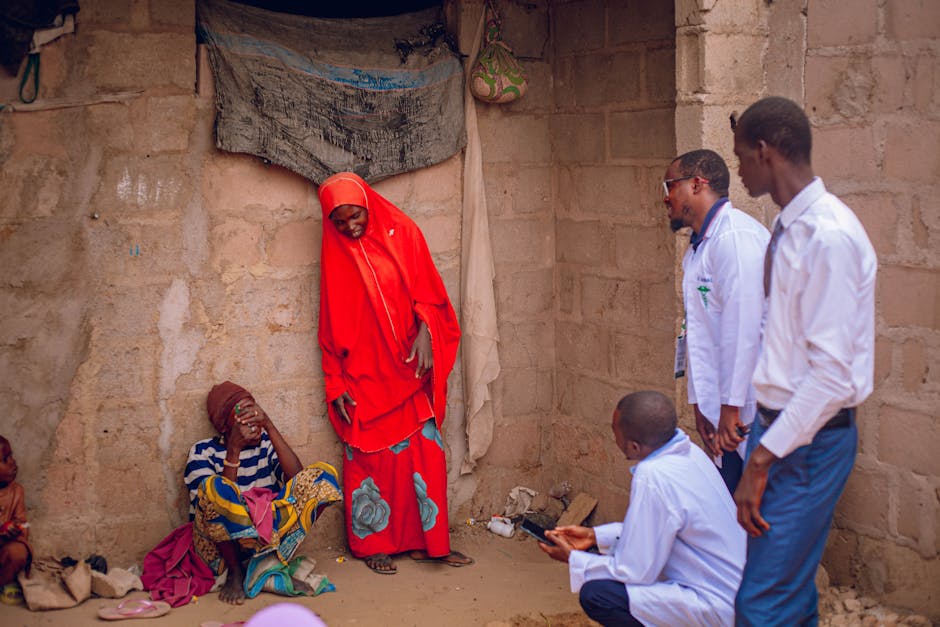
- The Democratic Republic of the Congo is experiencing a deadly Ebola outbreak caused by the Bundibudyo strain, which has a high mortality rate.
- The lack of a vaccine for the Bundibudyo strain is exacerbating fear and uncertainty among residents of Ituri province.
- The World Health Organization is working closely with local health authorities to contain the outbreak and provide medical care.
- The outbreak has already resulted in a significant number of cases and deaths in eastern DRC, particularly in the Ituri province.
- The economic impact of the outbreak is a major concern for residents of the region, who fear significant disruptions to local businesses.
Executive summary — the recent outbreak of Ebola in the Democratic Republic of the Congo has sparked panic among residents of Ituri province, who fear the disease will spread and have a significant economic impact on the region. The outbreak, which is caused by the Bundibudyo strain, has already been reported in several areas, including the mining town of Mongbwalu. Residents are concerned about the lack of a vaccine for this particular strain, which is exacerbating the fear and uncertainty surrounding the outbreak.
Evidence of the Outbreak

According to reports from the World Health Organization (WHO), the Ebola outbreak in eastern DRC has resulted in a significant number of cases and deaths. The WHO has reported that the outbreak is caused by the Bundibudyo strain, which is one of the most virulent forms of the disease. The organization has also stated that the outbreak is centered in the Ituri province, where the majority of cases have been reported. The BBC has also reported on the outbreak, citing concerns about the lack of a vaccine for the Bundibudyo strain.
Key Players and Their Roles

The WHO is playing a crucial role in containing the outbreak, working closely with local health authorities to identify and isolate cases, as well as provide medical care to those affected. The organization is also working to raise awareness about the disease and promote preventive measures, such as handwashing and safe burial practices. Other key players, including the Congolese government and international aid organizations, are also involved in the response efforts. For example, the UNICEF is providing support to affected communities, including food, water, and shelter.
Trade-Offs and Challenges

The Ebola outbreak in eastern DRC poses significant challenges and trade-offs for the local community. On one hand, the outbreak has the potential to devastate the local economy, particularly the mining industry, which is a major source of employment and revenue for the region. On the other hand, the outbreak has also highlighted the need for increased investment in healthcare infrastructure and emergency preparedness, which could have long-term benefits for the region. However, the lack of a vaccine for the Bundibudyo strain is a significant challenge, and the WHO and other organizations are working to develop and distribute a vaccine as quickly as possible.
Timing and Response

The timing of the outbreak is particularly concerning, as it comes during a period of relative stability in the region. The DRC has made significant progress in recent years in terms of economic development and political stability, and the outbreak has the potential to undermine these gains. However, the WHO and other organizations are working to respond quickly and effectively to the outbreak, and the international community is providing significant support to the affected region. The Reuters has reported on the international response to the outbreak, citing efforts by organizations such as the CDC to provide support and expertise.
Where We Go From Here
Over the next 6-12 months, there are several possible scenarios for the Ebola outbreak in eastern DRC. One scenario is that the outbreak will be quickly contained, and the number of cases will decrease significantly. Another scenario is that the outbreak will continue to spread, and the number of cases will increase, potentially leading to a significant humanitarian crisis. A third scenario is that the outbreak will be brought under control, but the lack of a vaccine for the Bundibudyo strain will continue to pose a challenge, and the region will need to remain vigilant and prepared for potential future outbreaks. The New York Times has reported on the potential scenarios and the challenges that lie ahead.
Bottom line — the Ebola outbreak in eastern DRC is a significant public health crisis that requires a swift and effective response from the international community. The WHO and other organizations are working to contain the outbreak, and the international community is providing significant support to the affected region. However, the lack of a vaccine for the Bundibudyo strain poses a significant challenge, and the region will need to remain vigilant and prepared for potential future outbreaks.
Source: The Guardian