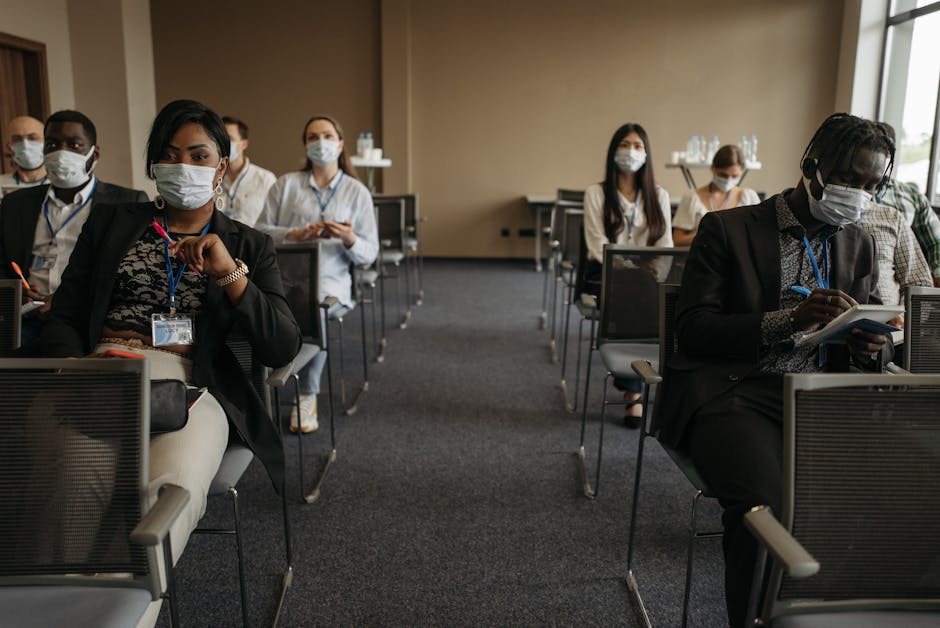
- The World Health Organization (WHO) has warned that the world is not ready to handle the next pandemic.
- Global pandemic preparedness has been waning in recent years, despite lessons learned from the COVID-19 pandemic.
- Many countries have failed to implement and maintain robust health infrastructure, leaving them vulnerable to future outbreaks.
- Sustained investment in global health security is crucial in preventing and responding to pandemics.
- A well-prepared health system is key in mitigating the impact of pandemic outbreaks.
The world is asking: are we truly prepared to face the next pandemic? As the latest outbreak spreads globally, the World Health Organization (WHO) has issued a dire warning, stating that ‘the world isn’t ready’ to handle the impending health crisis. This ominous statement has sparked widespread concern, with many questioning the current state of global pandemic preparedness. The WHO’s warning comes amid a surge in pandemic outbreaks, leaving many to wonder if we have learned from past experiences.
Assessing Global Pandemic Preparedness

The WHO’s warning is not unfounded, as recent data suggests that global pandemic preparedness has been waning in recent years. Despite the lessons learned from the COVID-19 pandemic, many countries have failed to implement and maintain robust health infrastructure, leaving them vulnerable to future outbreaks. The WHO has been vocal about the need for sustained investment in global health security, citing the importance of preparedness in preventing and responding to pandemics. According to the World Health Organization, a well-prepared health system is crucial in mitigating the impact of pandemic outbreaks.
Evidence of Insufficient Preparedness

Several factors contribute to the WHO’s dire warning, including inadequate funding, insufficient healthcare infrastructure, and a lack of international cooperation. Dr. Tedros Adhanom Ghebreyesus, WHO Director-General, has emphasized the need for collective action, stating that ‘the world must work together to strengthen health systems and improve pandemic preparedness.’ Data from the WHO highlights the disparities in pandemic preparedness across countries, with many low- and middle-income nations struggling to establish functional health systems. This disparity is a significant concern, as it can exacerbate the spread of pandemic outbreaks.
Counter-Perspectives and Challenges

While the WHO’s warning is clear, some experts argue that the situation is not entirely bleak. They point to advancements in medical technology, improved disease surveillance, and enhanced international collaboration as positive developments in the fight against pandemics. However, these gains are often overshadowed by the numerous challenges that hinder global pandemic preparedness, including funding constraints, political instability, and social inequalities. Skeptics also argue that the WHO’s warning may be overly alarmist, citing the low probability of a pandemic outbreak with the same severity as COVID-19. Nevertheless, the WHO maintains that complacency is a significant risk, and that continuous investment in pandemic preparedness is essential.
Real-World Consequences of Inadequate Preparedness

The consequences of inadequate pandemic preparedness can be devastating, as seen in the COVID-19 pandemic. The rapid spread of the virus caught many countries off guard, resulting in widespread illness, economic disruption, and loss of life. In contrast, countries with robust health infrastructure and preparedness measures in place were better equipped to respond to the outbreak, minimizing its impact. The WHO’s warning serves as a reminder that pandemic preparedness is not a one-time achievement, but rather an ongoing process that requires sustained investment and attention. As the world becomes increasingly interconnected, the risk of pandemic outbreaks will only continue to grow, making it essential to prioritize global health security.
What This Means For You
So, what can you do to stay safe in the face of pandemic outbreaks? The WHO recommends staying informed about the latest developments, following public health guidelines, and taking proactive steps to protect yourself and your community. This includes practicing good hygiene, getting vaccinated, and supporting local health initiatives. By taking these simple yet effective measures, you can contribute to a safer and more resilient global community. As the WHO’s warning makes clear, pandemic preparedness is a collective responsibility that requires the active participation of individuals, communities, and governments worldwide.
As we move forward, it is essential to ask: what will it take for the world to be truly ready for the next pandemic? Will it require a catastrophic event to prompt meaningful change, or can we learn from the past and work together to build a more resilient global health system? The answer to this question will depend on our collective actions and commitment to prioritizing pandemic preparedness. As the WHO’s dire warning serves as a reminder, the time to act is now, and the consequences of inaction will be severe.
Source: Forbes