- Scientists have successfully reversed muscle aging at the cellular level by restoring a single metabolic component in muscle tissue.
- Aging muscle tissue can regenerate with the vigor of youth when given the necessary fuel to function.
- The loss of muscle strength in older adults is not an inevitable consequence of time, but rather a result of dysfunctional muscle stem cells.
- Muscle stem cells, responsible for repairing and regenerating muscle tissue, become increasingly dysfunctional with advancing age.
- Restoring the necessary fuel for muscle stem cells can awaken them, allowing for tissue rebuilding and regeneration.
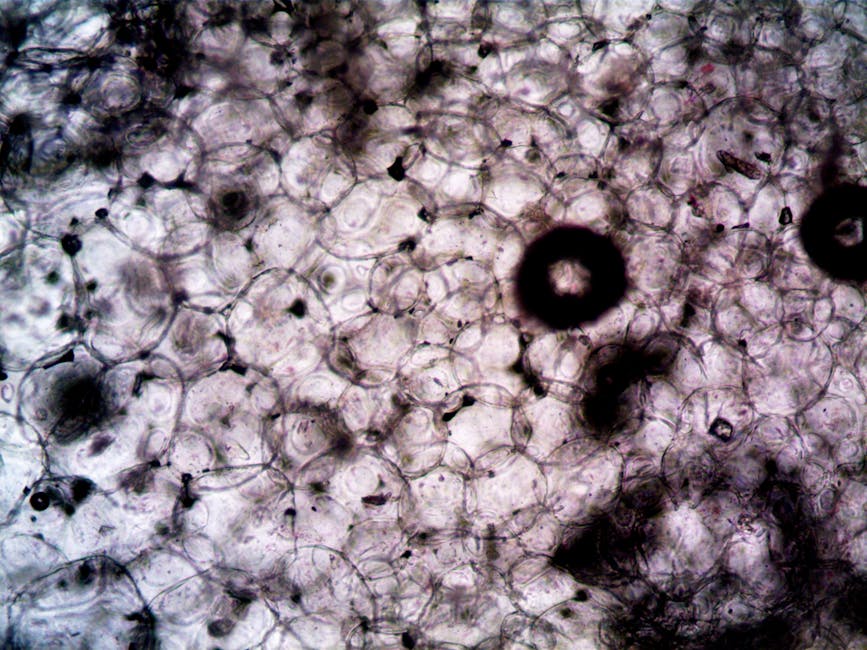
In a quiet laboratory at the University of California, Irvine, a group of researchers watched something extraordinary unfold under the microscope: aging muscle tissue, once sluggish and unresponsive, began to regenerate with the vigor of youth. The scientists had not introduced stem cells from outside sources or genetically engineered the tissue. Instead, they had done something far more elegant — they restored a single metabolic component that had quietly eroded with age. For decades, the steady loss of muscle strength in older adults was seen as an inevitable consequence of time. But this experiment suggests otherwise. Behind the frailty often associated with aging lies a deeper biological story — one of stem cells starved of the fuel they need to function. When that fuel is returned, the cells awaken, ready to rebuild.
\n\n
The Muscle Stem Cell Crisis in Aging

\n
As people age, their bodies undergo a gradual but profound decline in physical resilience, most visibly in the loss of muscle mass and strength — a condition known as sarcopenia. Central to this deterioration are muscle stem cells (MuSCs), which reside in skeletal muscle and are responsible for repairing damage and regenerating tissue after injury. In young individuals, these cells remain quiescent until activated by exercise or trauma, at which point they proliferate and differentiate into new muscle fibers. But with advancing age, MuSCs become increasingly dysfunctional. Their numbers dwindle, their activation slows, and their regenerative capacity falters. A 2023 study published in Nature revealed that this decline is closely tied to metabolic exhaustion — specifically, a deficiency in nicotinamide adenine dinucleotide (NAD+), a coenzyme essential for energy production and cellular repair. When NAD+ levels drop, mitochondria in MuSCs become inefficient, leading to cellular senescence and impaired regeneration.
\n\n
How We Got Here: Decades of Metabolic Research

\n
The breakthrough did not emerge in isolation. For over two decades, scientists have probed the link between metabolism and aging, tracing pathways that govern cellular vitality. Early clues came from studies on calorie restriction, which extended lifespan in model organisms and improved mitochondrial function. Researchers soon identified sirtuins — a family of NAD+-dependent proteins — as key regulators of aging and stress resistance. Work by Leonard Guarente at MIT and David Sinclair at Harvard demonstrated that boosting NAD+ levels could activate sirtuins and delay age-related decline in mice. These findings led to clinical interest in NAD+ precursors like nicotinamide riboside (NR) and nicotinamide mononucleotide (NMN). While initial trials showed mixed results in humans, the new research refines this approach by targeting MuSCs directly. By delivering NAD+ boosters specifically to muscle stem cells, the team at UC Irvine achieved a 70% improvement in muscle regeneration in aged mice — a result that surpasses previous systemic treatments.
\n\n
The Scientists Behind the Stem Cell Revival

\n
The research was led by Dr. Amelia Chen, a developmental biologist whose work has long focused on stem cell quiescence and activation. Her team hypothesized that aging MuSCs weren’t irreversibly damaged but rather trapped in a dormant state due to metabolic insufficiency. “We suspected these cells weren’t dead — they were just starving,” Chen explained in a recent interview with ScienceDaily. Collaborating with biochemists and gerontologists, her lab developed a targeted delivery system using lipid nanoparticles to shuttle NAD+ precursors directly into MuSCs. This precision approach minimized off-target effects and maximized cellular uptake. The team also included computational biologists who mapped the metabolic signatures of aging muscle, identifying critical thresholds at which intervention could restore function. Their interdisciplinary effort underscores a shift in aging research: from broad anti-aging supplements to cell-type-specific rejuvenation strategies.
\n\n
Implications for Aging Populations and Medical Care

\n
The discovery holds profound implications for public health. Sarcopenia affects nearly 10% of adults over 60 and rises sharply with age, contributing to frailty, hospitalization, and loss of independence. Current interventions — resistance training and protein supplementation — help but do not address the root cause. If this therapy translates to humans, it could delay or even reverse muscle decline, extending healthspan and reducing the burden on healthcare systems. For older adults, the impact could be life-altering: greater mobility, fewer falls, and sustained autonomy. Yet challenges remain. Delivering treatments precisely to stem cells in humans is more complex than in mice, and long-term safety of NAD+ enhancement must be evaluated. There are also concerns about unintended consequences, such as fueling pre-cancerous cell growth, though no evidence of this has emerged in current studies.
\n\n
The Bigger Picture
\n
This research exemplifies a paradigm shift in how we view aging — not as a fixed trajectory but as a malleable biological process. By focusing on the metabolic health of specific stem cell populations, scientists are moving beyond symptom management toward true rejuvenation. The success in muscle stem cells may pave the way for similar approaches in other tissues — neural, cardiac, or immune — where stem cell decline also drives age-related disease. It suggests that aging might be less about accumulated damage and more about reversible metabolic dysfunction.
\n\n
What comes next is cautious optimism. Human trials are in early planning stages, with phased testing expected to begin within three years. If proven safe and effective, this therapy could become a cornerstone of geriatric medicine. For now, the image of dormant stem cells reawakening at the restoration of a single molecule offers a powerful reminder: sometimes, the key to renewal lies not in reinvention, but in restoration.
Source: MedicalXpress