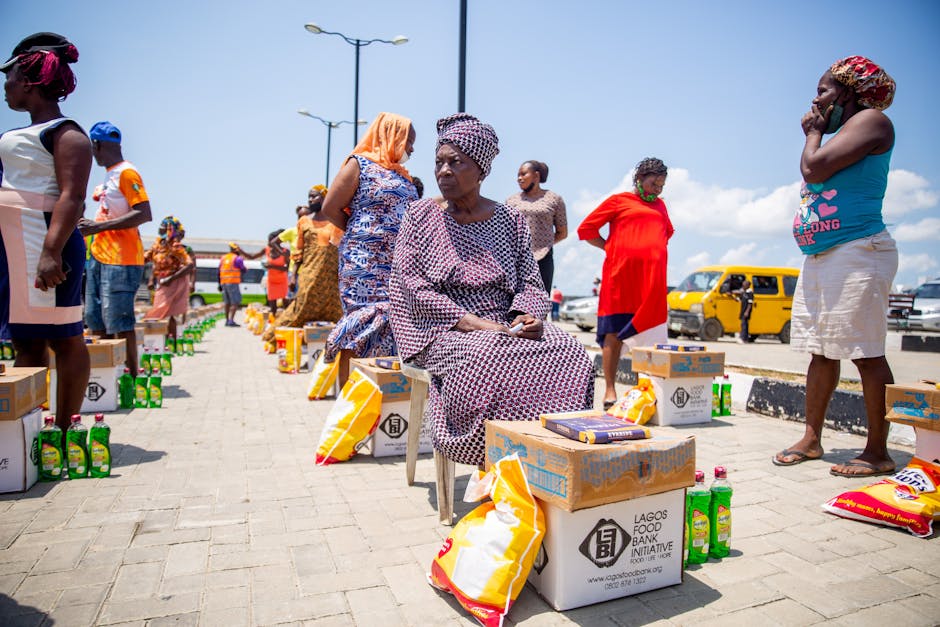
- A new study finds that 1 in 3 undernourished pregnant women deliver preterm, highlighting the critical link between maternal nutrition and infant health.
- Consistent nutritional support during pregnancy can reduce preterm birth by up to 18% and low birth weight by 21%, according to the study.
- Maternal nutrition is a foundational determinant of neonatal survival and health, particularly in regions with food insecurity and micronutrient deficiencies.
- Pregnant women in vulnerable regions often face chronic deficiencies in essential nutrients for fetal development, including protein, iron, and folic acid.
- The study underscores the importance of addressing maternal nutrition as a priority in prenatal care to improve infant outcomes.
Every year, approximately 15 million babies are born prematurely worldwide, and more than 20 million are born with low birth weight—conditions that significantly increase the risk of infant mortality and long-term developmental challenges. A new comprehensive study analyzing data from over 300,000 pregnancies across 42 low- and middle-income countries reveals that consistent nutritional support during gestation can reduce the incidence of preterm birth by up to 18% and low birth weight by 21%. These findings, led by epidemiologist Dongqing Wang of George Mason University’s College of Public Health, provide robust evidence that maternal nutrition is not merely a supplementary aspect of prenatal care but a foundational determinant of neonatal survival and health, particularly in regions where food insecurity and micronutrient deficiencies are widespread.
The Urgency of Maternal Nutrition in Vulnerable Regions

In many parts of sub-Saharan Africa, South Asia, and Central America, pregnant women face chronic deficiencies in protein, iron, folic acid, and essential fatty acids—nutrients critical for fetal development. These deficits are compounded by limited access to prenatal care, poor sanitation, and high rates of infectious disease. The study, published in The Lancet Global Health, underscores that in countries where over 30% of the population lives below the poverty line, undernourished mothers are nearly twice as likely to deliver preterm or underweight infants compared to those receiving nutritional supplementation. With an estimated 5.9 million children under five dying annually—many within the first month of life—improving maternal diet emerges as a high-impact, cost-effective strategy to break the cycle of intergenerational health disparities.
Study Design and Key Interventions Evaluated

The research team analyzed data from nationally representative Demographic and Health Surveys (DHS) conducted between 2010 and 2022, focusing on women who received one or more forms of nutritional support during pregnancy: daily oral supplements (including iron-folic acid, multiple micronutrients, or protein-energy supplements), lipid-based nutrient supplements (LNS), or participation in food voucher or conditional cash transfer programs tied to antenatal visits. The study controlled for variables such as maternal age, education level, access to clean water, and frequency of prenatal care. The most significant improvements were observed among women who received lipid-based nutrient supplements—ready-to-use therapeutic foods containing essential vitamins and minerals—which reduced low birth weight by 24% and preterm delivery by 20%. Notably, even basic iron-folic acid supplementation led to a 12% reduction in adverse outcomes.
Biological and Socioeconomic Mechanisms at Play

The biological rationale for these outcomes lies in the demands of fetal development: during pregnancy, a woman’s caloric and nutrient needs increase substantially to support placental function, organogenesis, and rapid cell proliferation. Deficiencies in key nutrients like iron can lead to maternal anemia, reducing oxygen delivery to the fetus and increasing the risk of preterm labor. Similarly, inadequate protein intake impairs fetal growth, particularly in the third trimester. The study also highlights the socioeconomic multiplier effect: women who received nutritional support were more likely to attend regular antenatal visits, creating opportunities for early detection of complications like preeclampsia or gestational diabetes. Furthermore, food-based interventions often serve as an incentive for healthcare engagement, particularly in rural areas where access to clinics is limited. According to Wang, “Nutrition is not just a biological input—it’s a gateway to broader maternal healthcare utilization.”
Policy Implications and Equity Challenges

The findings carry significant implications for global health policy, particularly for countries striving to meet Sustainable Development Goal (SDG) 3.1: reducing the global maternal mortality ratio and improving neonatal survival. Scaling up prenatal nutrition programs could avert tens of thousands of infant deaths annually at a relatively low cost—some lipid-based supplements cost less than $1 per day. However, the study also reveals stark disparities in intervention coverage: in the poorest quintile of households, only 38% of pregnant women received any form of nutritional support, compared to 76% in the wealthiest. Barriers include supply chain fragility, cultural beliefs about food during pregnancy, and gender inequities that limit women’s decision-making power over household resources. Without targeted efforts to reach marginalized populations, even the most effective interventions risk exacerbating health inequities.
Expert Perspectives
While the study’s conclusions are widely supported, some experts caution against a one-size-fits-all approach. Dr. Amina Ahmed, a maternal health specialist at the World Health Organization, emphasizes that “nutrition programs must be context-specific—what works in rural Bangladesh may not translate to urban slums in Nigeria.” Others, like Dr. Carlos Mendez of the London School of Hygiene & Tropical Medicine, argue that standalone nutrition interventions, while beneficial, cannot compensate for deeper systemic issues such as poverty, conflict, and weak health infrastructure. Nevertheless, there is consensus that integrating nutritional support into routine antenatal care represents one of the most scalable and evidence-based strategies available to improve birth outcomes in resource-limited settings.
Looking ahead, researchers call for more longitudinal studies to assess the long-term developmental outcomes of children born to mothers who received prenatal nutrition support. Questions remain about the optimal timing, duration, and composition of supplements, as well as the potential benefits of combining nutritional programs with behavioral counseling or digital health monitoring. As climate change and economic instability threaten food systems globally, the need for resilient, equitable maternal nutrition strategies will only grow more urgent. Policymakers, donors, and health systems must now act to ensure that every pregnant woman, regardless of geography or income, has access to the nutritional foundation her child needs to survive and thrive.
Source: MedicalXpress