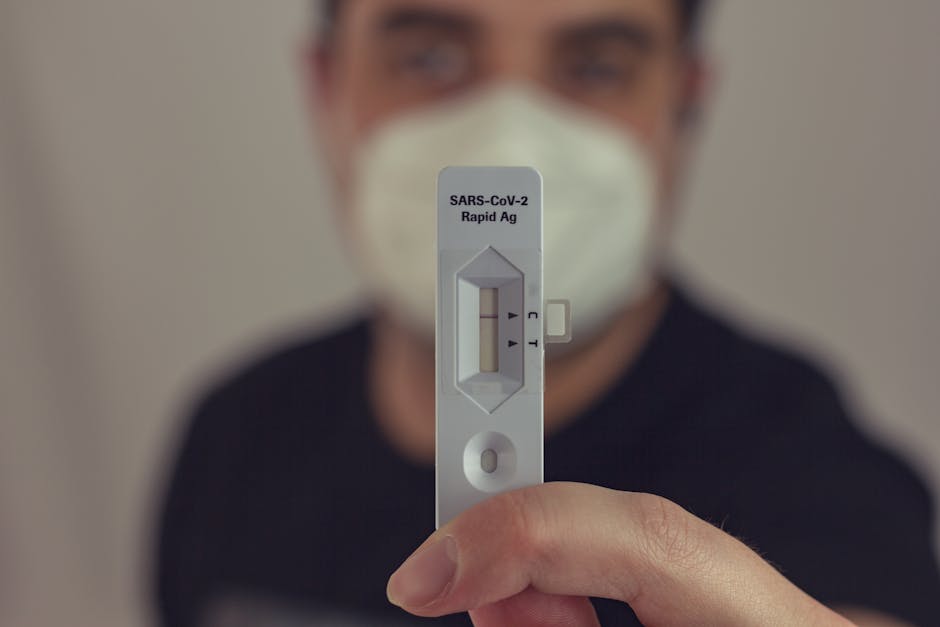
- A large study found rapid respiratory infection tests had minimal impact on antibiotic prescriptions among general practitioners.
- The RAPID-TEST trial, involving over 1,300 patients, showed only a 3% reduction in antibiotic use despite the test’s capabilities.
- Researchers observed a gap between the potential of rapid diagnostics and actual changes in clinical practice.
- The study, published in JAMA Internal Medicine, was the first randomized clinical trial of its kind in routine primary care.
- While rapid tests can identify multiple pathogens like influenza and RSV, they haven’t proven effective at curbing antibiotic overuse.
Can a quick, on-the-spot test for respiratory infections actually stop doctors from prescribing unnecessary antibiotics? That’s the hope that’s driven investment and enthusiasm for point-of-care diagnostics in recent years. With antibiotic resistance rising globally, tools that promise to distinguish viral from bacterial infections at the bedside have been heralded as game-changers. But a new large-scale study led by the University of Bristol is casting doubt on that assumption. Despite offering general practitioners a sophisticated, rapid microbiological test capable of detecting multiple pathogens, the trial found little impact on real-world prescribing behavior. So, what explains the gap between technological promise and clinical practice?
Does Rapid Testing Change Antibiotic Prescribing?

The RAPID-TEST study, published in JAMA Internal Medicine, directly assessed whether using a rapid multiplex point-of-care test in primary care could reduce same-day antibiotic prescribing for acute respiratory infections. The trial involved over 1,300 patients across 86 general practices in England and was the first randomized clinical trial of its kind to evaluate such a test in routine primary care. Patients were randomly assigned to either receive the test—which detects a panel of viruses and bacteria including influenza, RSV, and Streptococcus pneumoniae—or standard clinical assessment without testing. Contrary to expectations, the study found only a minimal reduction in antibiotic prescriptions: 29.7% in the intervention group versus 31.2% in the control group, a difference deemed not statistically significant. This suggests that even with access to advanced diagnostic information, GPs did not substantially alter their prescribing habits.
What Did the Trial Data Reveal?

The RAPID-TEST trial’s findings are based on robust methodology and real-world clinical settings, lending strong credibility to its conclusions. The rapid test used, the BioFire® Respiratory Panel, can identify 22 pathogens within an hour, providing clinicians with detailed microbiological data during a single consultation. According to the study, viral pathogens were detected in 68% of tested patients, and bacterial targets in 28%, yet antibiotic prescribing remained high even when only viruses were found. As the authors note, “The availability of microbiological data did not override clinical judgment or patient expectations.” This aligns with broader research on antibiotic prescribing, which shows that factors like symptom severity, patient demand, and diagnostic uncertainty often outweigh test results. A 2022 WHO report emphasized that diagnostic tools alone are insufficient without behavioral and systemic interventions to support stewardship.
Are There Alternative Explanations for the Results?

While the trial’s results are striking, some experts caution against dismissing the potential of point-of-care testing too quickly. One key issue may lie in how the test results were interpreted and integrated into clinical workflows. GPs may have been uncertain about how to act on mixed findings—such as bacterial colonization without clear infection—or may have feared missing a serious bacterial illness despite a negative result. Additionally, the pressure to satisfy patient expectations or avoid follow-up visits could have outweighed test outcomes. Some commentators suggest that shorter turnaround times or better clinician training might yield different results. Others point out that the test was not paired with decision-support tools or educational interventions, which could be essential for changing behavior. As one review in Nature Reviews Microbiology noted, “Diagnostics are only as effective as the systems that support their use.”
What Are the Real-World Implications?

The RAPID-TEST findings challenge the assumption that advanced diagnostics alone can curb antibiotic overuse—a cornerstone of global efforts to combat antimicrobial resistance. In practical terms, this means health systems investing heavily in such technologies may not see the expected returns in stewardship outcomes. For policymakers, the results underscore the need for multifaceted approaches, including clinician education, patient communication strategies, and electronic decision support. In the UK, where the National Health Service has promoted rapid testing as part of its antimicrobial strategy, the study may prompt a reevaluation of priorities. Internationally, the implications are significant: low- and middle-income countries considering similar tools may need to pair them with stronger behavioral and infrastructural support to achieve meaningful impact.
What This Means For You
If you’re a patient with a cough or sore throat, this study suggests that even if your doctor uses a high-tech test, you might still be prescribed antibiotics—especially if symptoms are severe or ambiguous. For healthcare providers, it highlights that technology doesn’t replace clinical judgment or patient communication. The real lesson is that reducing unnecessary antibiotics requires more than just better tests; it demands changes in how care is delivered and decisions are made. Tools must be embedded in broader strategies that address the human and systemic factors driving overprescribing.
Given these findings, the next critical question is: What combination of diagnostics, education, and policy interventions will finally shift the needle on antibiotic use? Could integrating rapid tests with digital decision aids or patient-facing explanations improve outcomes? And might future trials benefit from measuring not just prescribing rates but also patient satisfaction and re-consultation rates? The path forward may depend less on the test itself and more on the ecosystem in which it’s used.
Source: MedicalXpress