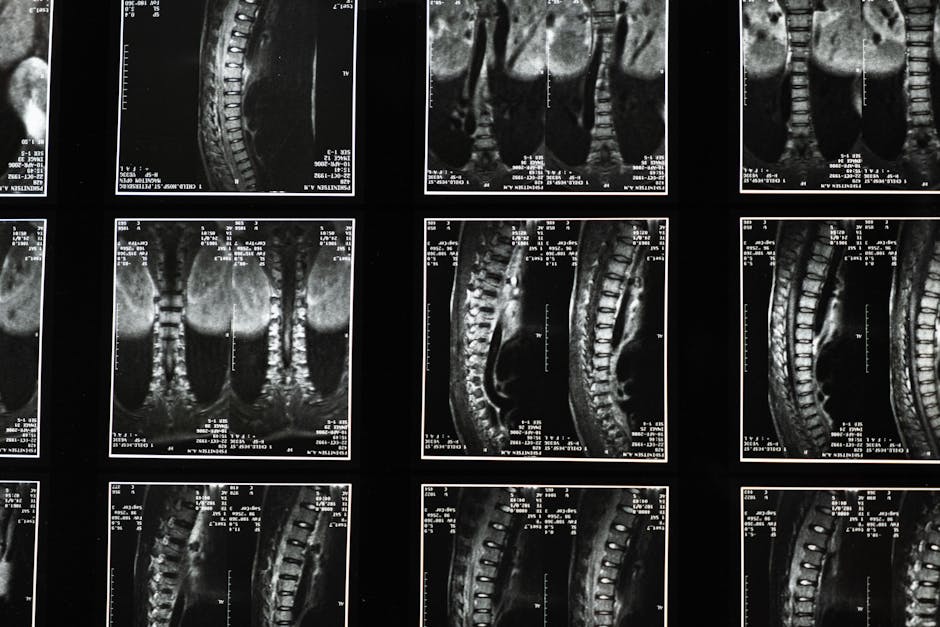
- A study from Tel Aviv University found that an intravenous treatment can halt secondary damage after spinal cord injury and restore up to 80% of motor function in animal models.
- The treatment’s effectiveness challenges long-standing assumptions that spinal cord damage is inevitably progressive and untreatable after impact.
- The therapy could redefine emergency care for spinal cord injuries and potentially shift outcomes from lifelong disability to meaningful recovery for millions worldwide.
- Spinal cord injuries often lead to permanent paralysis due to the irreversible spread of cellular damage after the initial trauma.
- Researchers have been seeking ways to interrupt the degenerative cascade of spinal cord damage for decades, but with limited success.
Spinal cord injuries affect an estimated 250,000 to 500,000 people globally each year, often leading to permanent paralysis due to the irreversible spread of cellular damage after the initial trauma. Now, a study from Tel Aviv University offers a transformative breakthrough: administering a specific intravenous treatment within hours of injury can halt this secondary damage and restore up to 80% of motor function in animal models. This finding challenges long-standing assumptions that spinal cord damage is inevitably progressive and untreatable after impact. If successfully translated to humans, the therapy could redefine emergency care for SCI, potentially shifting outcomes from lifelong disability to meaningful recovery for millions worldwide.
The Silent Spread of Spinal Cord Damage

While the initial physical trauma to the spinal cord—such as from a car accident or fall—causes immediate harm, it is the cascade of biological events in the hours and days afterward that often determines the severity of long-term disability. This secondary injury phase involves inflammation, oxidative stress, and the death of neurons and support cells that were initially spared. These processes expand the damage zone, cutting off neural pathways essential for movement and sensation. For decades, researchers have sought ways to interrupt this degenerative cascade, but with limited success. The new study, published in Nature Neuroscience, suggests that rapid intravenous delivery of a molecular agent targeting specific immune responses can effectively contain the damage at its root—before it spreads.
A Precision Immune Intervention

The treatment centers on a synthetic peptide designed to modulate the body’s innate immune response immediately after spinal trauma. When administered intravenously within four hours of injury in rodent models, the peptide significantly reduced the infiltration of harmful immune cells into the spinal cord while preserving beneficial inflammatory signals needed for repair. The therapy specifically targets the TLR4 receptor pathway, which plays a key role in triggering destructive neuroinflammation. Researchers observed not only a dramatic reduction in tissue damage but also robust regrowth of neural connections and improved blood flow to the injured area. Most strikingly, animals treated with the IV agent regained up to 80% of their pre-injury motor function within weeks, compared to minimal recovery in untreated controls.
Dissecting the Mechanism Behind Recovery

The success of the intervention lies in its timing and specificity. By intervening early, the therapy prevents the immune system from turning against spinal tissue, a phenomenon known as auto-toxic inflammation. The synthetic peptide acts as a molecular ‘brake,’ fine-tuning immune activity without suppressing it entirely—a critical distinction from broad anti-inflammatory drugs, which can impair healing. Data from the study show a 70% reduction in lesion size and a threefold increase in surviving neurons at the injury site. According to lead researcher Dr. Michal Schwartz, ‘We’re not just reducing damage—we’re creating a permissive environment for natural repair mechanisms to kick in.’ This dual action—protection and facilitation of recovery—marks a significant departure from previous failed neuroprotective strategies.
Implications for Emergency Medicine and Paralysis Care

If replicated in human trials, this IV treatment could become a standard component of emergency protocols for spinal trauma, much like clot-busting drugs are for stroke. Emergency medical teams could administer the therapy en route to the hospital, potentially preserving neurological function before imaging or surgery. The impact would be most profound in low-resource settings, where delays in specialized care often worsen outcomes. Beyond trauma, the approach may also benefit patients with neurodegenerative conditions involving neuroinflammation, such as multiple sclerosis or ALS. However, the narrow therapeutic window—likely under six hours—underscores the need for rapid diagnosis and treatment infrastructure.
Expert Perspectives
While the results are promising, some neurologists urge caution. Dr. John Martin from University College London, not involved in the study, noted, ‘Animal models of spinal injury don’t always translate to humans, especially in functional recovery.’ Others, like Dr. Naomi Classen at the Christopher & Dana Reeve Foundation, emphasize the importance of combining such biological interventions with rehabilitation. ‘The synergy between acute treatment and physical therapy could unlock even greater gains,’ she said. The scientific community agrees that while challenges remain, the study represents one of the most compelling advances in SCI research in decades.
Human clinical trials are expected to begin within the next 18 months, with initial focus on patients with acute thoracic spinal injuries. Researchers are also exploring whether the treatment can be adapted for other central nervous system injuries, including traumatic brain injury. A key unanswered question is whether delayed administration—beyond the critical window—could still offer partial benefits when combined with regenerative therapies. As the field moves toward a future where paralysis is no longer inevitable, the convergence of immunology, neurology, and emergency medicine may finally deliver long-sought breakthroughs for those living with spinal cord injuries.
Source: MedicalXpress