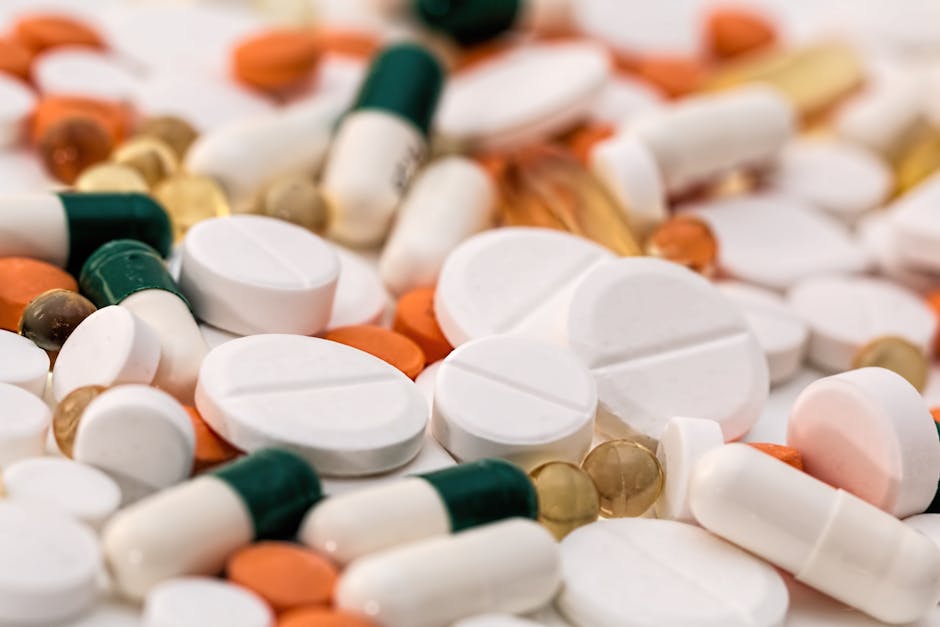
- TrumpRx has expanded its online pharmacy platform with 600 FDA-approved generic drugs.
- The platform offers savings of up to 80% on chronic care drugs for millions of Americans struggling with out-of-pocket costs.
- TrumpRx has publicly listed prices for its generic medications, undercutting many retail chains.
- The expansion aims to position TrumpRx as a populist alternative to traditional pharmacy benefit managers (PBMs).
- TrumpRx is operating transparently, unlike traditional PBMs accused of inflating drug prices.
Inside a modestly lit warehouse in Moon Township, Pennsylvania, rows of automated dispensers hum softly as robotic arms sort blister packs of metformin, atorvastatin, and lisinopril—common medications now being shipped under the TrumpRx label. The air carries a faint antiseptic tang, and employees in blue uniforms monitor touchscreens as orders stream in from across the country. Since its quiet launch in early 2023, TrumpRx has evolved from a curiosity into a functional player in the $500 billion U.S. prescription drug market. Now, with the addition of 600 generic medications, the platform is no longer just a political brand extension—it’s a direct challenge to entrenched pharmacy models, promising savings of up to 80% on chronic care drugs for millions of Americans struggling with out-of-pocket costs.
600 Generics Now Available, Prices Publicly Listed

TrumpRx has officially integrated 600 FDA-approved generic drugs into its online pharmacy platform, covering treatments for diabetes, hypertension, mental health, and cardiovascular disease—the most commonly prescribed categories in the U.S. Prices are posted transparently: metformin costs $1.99 for a 30-day supply, and sertraline is listed at $2.49, undercutting many retail chains. The expansion comes as part of a broader effort to position TrumpRx as a populist alternative to traditional pharmacy benefit managers (PBMs) accused of inflating drug prices. Unlike opaque insurance-based pricing, TrumpRx operates on a direct-to-consumer model, allowing users to bypass insurers entirely. The platform is accessible through trump.rx, where customers can upload prescriptions and receive medications via mail within five business days. While currently limited to generics, insiders suggest brand-name partnerships are under negotiation.
The Rise of Political and Tech-Led Pharmacies

The emergence of TrumpRx reflects a larger shift in healthcare delivery, where political figures and tech entrepreneurs are stepping into roles traditionally held by pharmaceutical companies and insurers. In 2022, Mark Cuban launched Cost Plus Drugs, a nonprofit pharmacy that publishes wholesale costs and adds a flat markup, quickly gaining traction for transparency. Amazon Pharmacy, integrated with Prime, offers one-click refills and same-day delivery in select cities. GoodRx, founded in 2011, provides price comparison tools used by over 40 million Americans annually. Trump’s entry signals that drug affordability has become not just a policy issue, but a market opportunity. The timing is critical: a 2023 CDC report found that 1 in 4 U.S. adults struggle to afford their prescriptions, fueling demand for cheaper alternatives.
Trump, Allies, and the Healthcare Profit Machine

Donald Trump’s involvement is both strategic and symbolic. Though not a pharmacist or healthcare executive, he leverages his brand to position TrumpRx as an anti-establishment force. The operation is managed by allies with ties to conservative healthcare reform circles, including former members of his administration’s Department of Health and Human Services. Their motivation appears twofold: to deliver tangible value to Trump’s base and to build a sustainable commercial asset ahead of potential political returns. While critics dismiss the venture as a branding exercise, supporters argue it embodies Trump’s promise to dismantle elite-controlled systems. Cuban, often politically neutral, has acknowledged the competitive pressure, telling Reuters that “anyone exposing price gouging in pharma is doing a public service.”
Impact on Consumers and the Pharmacy Ecosystem

For patients without insurance or those with high deductibles, TrumpRx offers immediate relief. A retiree in Florida managing type 2 diabetes could save over $300 annually on metformin and glipizide alone. However, challenges remain: the platform does not yet accept Medicare or private insurance, limiting access for many seniors. Meanwhile, traditional pharmacies and PBMs face mounting pressure to justify their pricing structures. Walgreens and CVS have responded with loyalty programs and price-matching guarantees, but analysts note these are reactive, not transformative. The real disruption lies in transparency—TrumpRx, like Cuban’s model, reveals what many generics actually cost to produce, undermining the justification for inflated retail prices.
The Bigger Picture
This trend marks a fundamental shift: healthcare is no longer solely the domain of doctors and insurers. Politicians, billionaires, and e-commerce giants are reshaping how Americans access medicine, driven by public anger over systemic inefficiencies. The entry of figures like Trump and Cuban underscores a growing consensus that drug pricing is broken—and that market innovation may move faster than legislation. While regulatory scrutiny looms, particularly around advertising claims and fulfillment standards, the momentum favors transparency and direct access.
What comes next may be even more disruptive: negotiations over brand-name drugs, integration with telehealth services, or even lobbying for federal reforms. TrumpRx may be one player in a crowded field, but its expansion signals that the old pharmacy model is under siege—not just from Silicon Valley, but from the political arena itself. The battle for America’s medicine cabinet has just begun.
Source: The New York Times