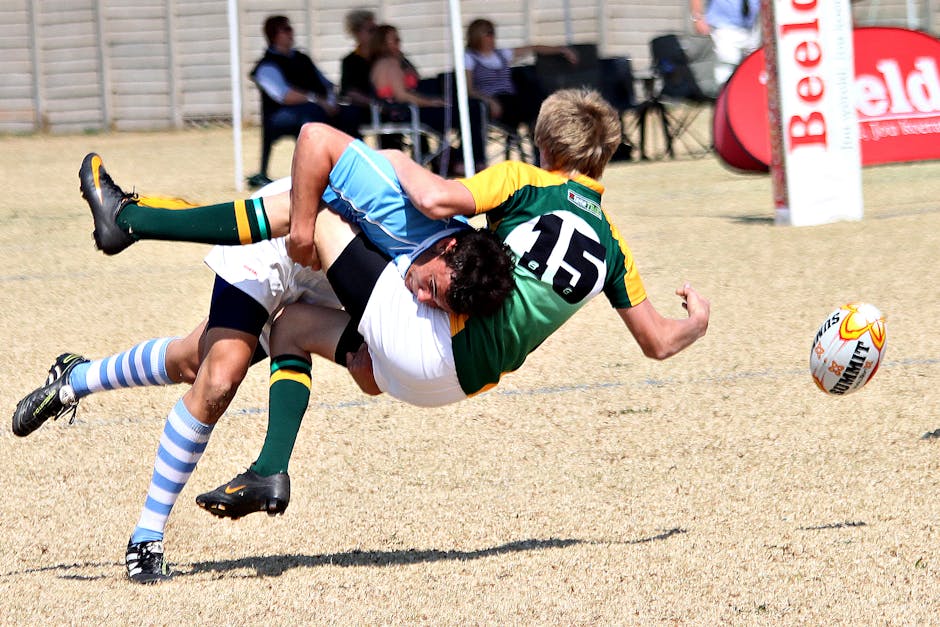
- Scott Hastings, a legendary Scottish rugby union player, passed away at 61 after battling non-Hodgkin lymphoma.
- He holds the record for the most caps (61) as a centre for the Scottish national team, a significant achievement.
- Hastings was crucial in Scotland’s historic 1990 Grand Slam victory, highlighted by his tackle on Rory Underwood.
- Known for his defensive prowess and game-reading abilities, he scored 16 tries throughout his international career.
- His tackle on Rory Underwood is considered one of the greatest defensive plays in international rugby history by the RFU.
Scott Hastings, widely regarded as one of Scotland’s greatest rugby union players, has died at the age of 61 following a battle with non-Hodgkin lymphoma. A cornerstone of the national team during the 1980s and 1990s, Hastings earned 61 caps as a centre, making him the most capped player in that position in Scottish history. His defining moment came during the 1990 Five Nations Championship, when his relentless defence and iconic tackle on England’s Rory Underwood helped secure a historic Grand Slam victory at Murrayfield—a triumph that remains the pinnacle of Scottish rugby achievement.
Defensive Mastery and Statistical Legacy

Hastings’ career was defined by consistency, toughness, and an uncanny ability to read the game. Over 61 international appearances between 1986 and 1995, he scored 16 tries, a remarkable tally for a centre focused on defensive solidity. His 1990 season was statistically dominant: he played every minute of the Grand Slam campaign, made over 120 tackles across the five matches, and was named man of the match in the decisive 13–7 win over England. According to BBC Sport, Hastings’ tackle on Underwood—chasing down the fastest winger in European rugby from 20 metres behind—was later cited by the Rugby Football Union as one of the greatest defensive plays in international history. His overall tackle success rate in that tournament exceeded 94%, a figure unmatched among his peers at the time.
The Hastings Brothers and Scottish Rugby’s Golden Era

Scott Hastings’ legacy is inseparable from that of his elder brother, Gavin, a dynamic outside centre and captain who formed one of international rugby’s most formidable midfield partnerships. Together, the Hastings brothers played 113 combined internationals and were central figures in Scotland’s most successful era since the 1920s. Their synergy was built on years of playing together at Currie RFC and later for the national side, where their contrasting styles—Gavin’s flair and attacking vision, Scott’s grit and positional discipline—complemented each other perfectly. Coaches, including former Scotland boss Derrick Grant, often credited the brothers with instilling a new level of professionalism and mental toughness in the squad. After retiring, Scott transitioned seamlessly into media, becoming a lead analyst for BBC Scotland and later a regular on BBC’s Six Nations coverage, where his articulate insights earned respect across the rugby world.
Trade-Offs Between Legacy and Longevity

Hastings’ career, while illustrious, was not without physical cost. The aggressive tackling style that defined his play—particularly his high-speed pursuit tackles—placed immense strain on his body, leading to chronic knee and shoulder issues post-retirement. While modern rugby increasingly prioritises player welfare and load management, the 1980s and 1990s were defined by a culture of endurance and minimal substitution, meaning Hastings often played through injuries that would sideline players today. On the other hand, his post-playing career offered redemption and extended influence. As a broadcaster, Hastings became a bridge between generations, educating younger fans while preserving the ethos of traditional forward-driven, defensively disciplined rugby. His public battle with non-Hodgkin lymphoma, which he discussed candidly in interviews, also raised awareness about cancer screening among former athletes, turning personal adversity into public advocacy.
Why Now: The End of an Era

Hastings’ passing marks the end of a defining chapter in Scottish sport, coming at a time when national rugby is seeking renewed relevance on the global stage. With Scotland having not won a Grand Slam since 1990, and struggling to consistently challenge the top-tier Six Nations teams, Hastings’ death has reignited conversations about identity, player development, and the need for inspirational figures. His role as both a symbol of past glory and a consistent voice in modern rugby discourse made him a rare unifying presence. The timing of his death—shortly before the 2024 Six Nations Championship—has added emotional weight, with tributes pouring in from current players and officials who cite him as a formative influence.
Where We Go From Here
In the coming months, Scottish Rugby is expected to announce a formal memorial initiative, potentially including a youth development fund in Hastings’ name or a permanent exhibit at the Scottish Rugby Hall of Fame. His broadcasting role may be honoured through a named award for rugby commentary excellence. Meanwhile, the national team faces a pivotal season: a strong Six Nations performance could serve as a tribute to Hastings’ legacy, while continued underperformance may prompt structural reforms in coaching and talent pathways. Off the field, his openness about illness may encourage greater health monitoring among retired athletes, particularly in contact sports where long-term risks are still being understood.
Scott Hastings’ life embodied the resilience, intellect, and passion that define the best of rugby—leaving behind not just a record, but a standard for future generations to aspire to.
Source: The Guardian