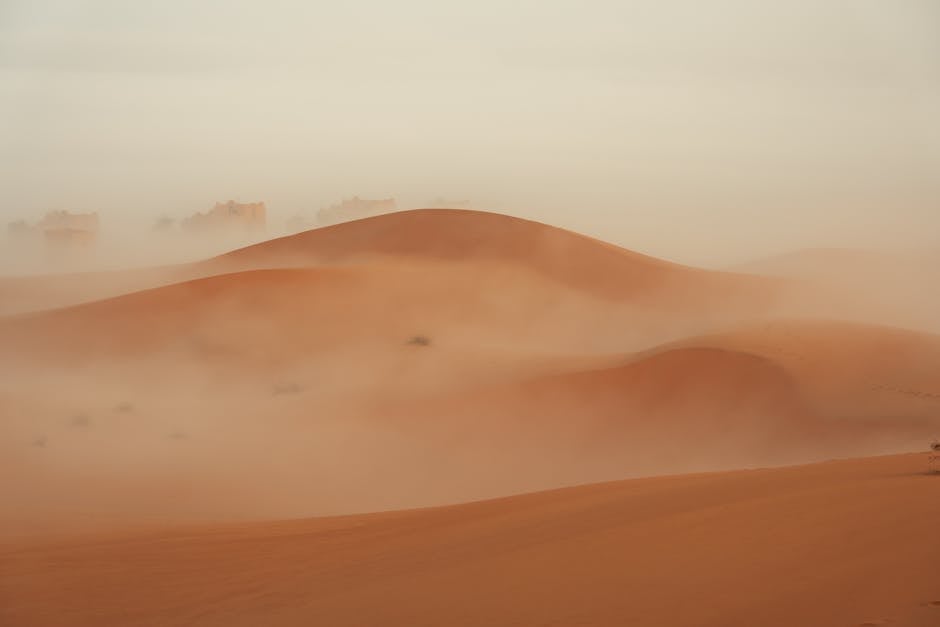
- A severe sandstorm has blanketed Iraq’s major cities, including Baghdad and Najaf, with visibility reduced to near zero.
- The storm has caused a sharp spike in hospital patients struggling to breathe, pushing Iraq’s health system to its limits.
- The current sandstorm is a symptom of deeper systemic failures, including environmental degradation and regional instability.
- Climate patterns are shifting, making extreme dust events the new normal for Iraq, raising concerns about the country’s preparedness.
- The sandstorm was triggered by a combination of intense low-pressure systems over the Arabian Peninsula and prolonged drought across the region.
What happens when a natural phenomenon becomes a national emergency? Across Iraq, millions are asking this question as a powerful sandstorm — one of the strongest this season — blankets major cities like Baghdad and Najaf in an impenetrable haze. Visibility has dropped to near zero, flights are grounded, and hospitals are reporting a sharp spike in patients struggling to breathe. With climate patterns shifting and regional instability persisting, the storm is more than just weather; it’s a symptom of deeper systemic failures. As citizens scramble for masks and clean air, the country faces a dual crisis: environmental degradation and a health system pushed to its limits. Is Iraq prepared for the new normal of extreme dust events?
What Triggered the Current Sandstorm in Iraq?

The recent sandstorm that struck central Iraq was caused by a combination of intense low-pressure systems over the Arabian Peninsula and prolonged drought across the region. These meteorological conditions stirred up vast amounts of loose topsoil from degraded agricultural lands and dried riverbeds, propelling dust clouds hundreds of kilometers into populated areas. The storm first hit western Iraq before sweeping into Baghdad and Najaf, where wind speeds exceeded 60 kilometers per hour, reducing visibility and grounding flights at Baghdad International Airport. According to Iraq’s Meteorological Organization, the dust concentration in the air reached hazardous levels, surpassing 10,000 micrograms per cubic meter — far above the World Health Organization’s recommended maximum of 50 micrograms. This event is the latest in a series of increasingly frequent and intense dust storms that have plagued the country for over a decade.
How Are Hospitals Responding to the Respiratory Surge?

Hospitals in Baghdad and Najaf are under immense strain, with medical staff reporting a 40% increase in emergency visits related to respiratory distress since the storm began. Doctors describe crowded wards filled with children, the elderly, and asthma sufferers struggling to breathe. At Al-Yarmouk Hospital in Baghdad, physicians told Reuters that they are running low on oxygen supplies and inhalers. The Iraqi Ministry of Health issued an emergency alert, urging people with pre-existing conditions to stay indoors and use N95 masks if they must go outside. Public health experts warn that prolonged exposure to fine particulate matter can lead to long-term lung damage, cardiovascular issues, and increased mortality. The crisis highlights the fragility of Iraq’s healthcare system, which has been weakened by years of conflict, underfunding, and brain drain, making it ill-equipped to handle environmental health emergencies.
Are There Alternative Explanations for the Storm’s Severity?

While meteorologists attribute the storm’s intensity to climate and weather patterns, some environmental scientists argue that human activity plays an even greater role. Iraq has lost over 70% of its surface water in the past two decades due to dam construction upstream by Turkey and Iran, particularly on the Tigris and Euphrates rivers. This has led to widespread desertification and the collapse of traditional irrigation systems. Others point to decades of war, poor land management, and the burning of gas flares from oil fields as contributors to soil instability and air pollution. Skeptics, however, caution against over-attributing single events to climate change, noting that dust storms have historically occurred in the region. Yet even they acknowledge that their frequency and duration have increased — from an average of 12 per year in the 1970s to over 300 annually in recent estimates, according to a BBC analysis of Iraqi government data.
What Are the Real-World Consequences of Recurring Dust Storms?

The impact extends far beyond health. Schools and government offices were shuttered for three consecutive days, disrupting education and public services. Economic activity slowed as construction sites halted work and transportation networks stalled. In rural areas, farmers report that dust deposits are smothering crops and contaminating water sources. The psychological toll is also significant — many residents describe a sense of suffocation, both literal and metaphorical, as they face repeated environmental crises with little relief. Activists in Basra and Nasiriyah have organized protests demanding government action on environmental reform, linking the dust storms to broader grievances over corruption and neglect. With climate projections indicating hotter, drier conditions across the Middle East, Iraq may be on the front lines of a regional environmental collapse.
What This Means For You
If you live in or are traveling to Iraq, the immediate takeaway is clear: monitor air quality alerts and avoid outdoor exposure during dust events. Use certified masks, keep windows sealed, and ensure emergency supplies for respiratory conditions. On a broader level, this crisis underscores how environmental degradation can destabilize societies, especially in regions already weakened by conflict and poor governance. Climate-related disasters don’t occur in a vacuum — they amplify existing vulnerabilities. For global citizens, Iraq’s struggle is a warning of what can happen when environmental policy is ignored.
But the deeper question remains unanswered: Can Iraq restore its ecosystems and strengthen its institutions before the next storm hits? And what role should the international community play in supporting climate resilience in post-conflict nations? As dust continues to settle over Baghdad, the search for sustainable solutions has never been more urgent.
Source: Al Jazeera