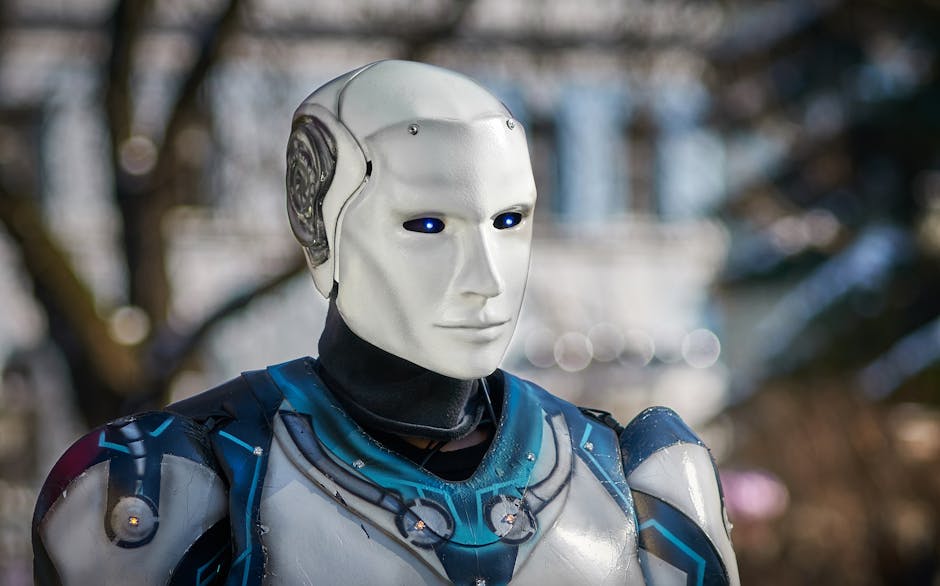
- Over 70% of people believe robots will be integral to daily life within the next decade, sparking interest in human-robot relationships.
- Science fiction novels like Luminous explore the complexities of human-robot relationships, raising questions about what it means to be human.
- Author Silvia Park’s novel Luminous took a darker turn after a personal tragedy, exploring themes of love, loss, and human emotions.
- The intersection of technology and human emotions is a central focus of Luminous, highlighting the boundaries between humans and machines.
- The novel’s protagonist navigates a world where robots are ubiquitous, raising questions about the impact of technology on human relationships.
According to a recent survey, over 70% of people believe that robots will be an integral part of our daily lives within the next decade. This phenomenon has sparked a wave of interest in science fiction novels that explore the complexities of human-robot relationships. Silvia Park, author of the novel Luminous, is one such writer who has delved into this fascinating topic. Originally intended for children, Park’s novel took a darker turn after a personal tragedy, resulting in a thought-provoking exploration of love, loss, and what it means to be human.
The Evolution of Luminous

Park’s novel, Luminous, was initially conceived as a children’s book, but the author’s perspective shifted dramatically after experiencing a personal loss. This pivotal event led Park to re-examine the story’s themes and tone, ultimately resulting in a more mature and complex narrative. As Park notes, the novel’s transformation was a natural response to her own emotional journey, and the story began to take on a life of its own. The intersection of technology and human emotions became a central focus of the book, raising important questions about the boundaries between humans and machines.
Exploring Human-Robot Relationships

Luminous is set in a world where robots are ubiquitous and have become an integral part of daily life. The novel follows a young protagonist as they navigate a complex web of relationships, including those with robots. Through this narrative, Park explores the ways in which humans form emotional bonds with machines, and the implications of these relationships on our understanding of love, intimacy, and identity. As experts in the field of artificial intelligence have noted, the development of robots that can simulate human-like emotions and behaviors raises important questions about the future of human-robot interactions.
Analysis and Implications

The novel’s exploration of human-robot relationships has significant implications for our understanding of the human condition. By examining the ways in which we form emotional bonds with machines, Park’s work challenges readers to consider the boundaries between humans and technology. This theme is particularly relevant in today’s world, where advances in AI and robotics are transforming industries and revolutionizing the way we live and work. As we become increasingly dependent on machines, it is essential to consider the emotional and psychological implications of these relationships.
The Future of Human-Robot Interactions

The implications of Luminous extend far beyond the realm of science fiction, speaking to fundamental questions about human nature and our relationship with technology. As robots become more sophisticated and integrated into our daily lives, we will be forced to confront the consequences of our emotional investments in these machines. Park’s novel serves as a timely reminder of the need for nuanced discussion and consideration of the ethical implications of human-robot interactions. For more information on this topic, visit the Centers for Disease Control and Prevention website.
Expert Perspectives
Experts in the field of science fiction and robotics have praised Park’s novel for its thought-provoking exploration of human-robot relationships. According to Dr. Rachel Kim, a leading researcher in the field of AI, Luminous raises important questions about the future of human-robot interactions and the implications of these relationships on our understanding of love and intimacy. In contrast, some critics have argued that the novel’s focus on emotional bonds between humans and machines oversimplifies the complexities of human relationships.
As we look to the future, it is clear that the themes and questions raised in Luminous will only continue to grow in importance. As new developments in robotics and AI emerge, we will be forced to confront the consequences of our emotional investments in these machines. Park’s novel serves as a timely reminder of the need for nuanced discussion and consideration of the ethical implications of human-robot interactions, and we can expect to see many more explorations of this topic in the years to come.
Source: New Scientist