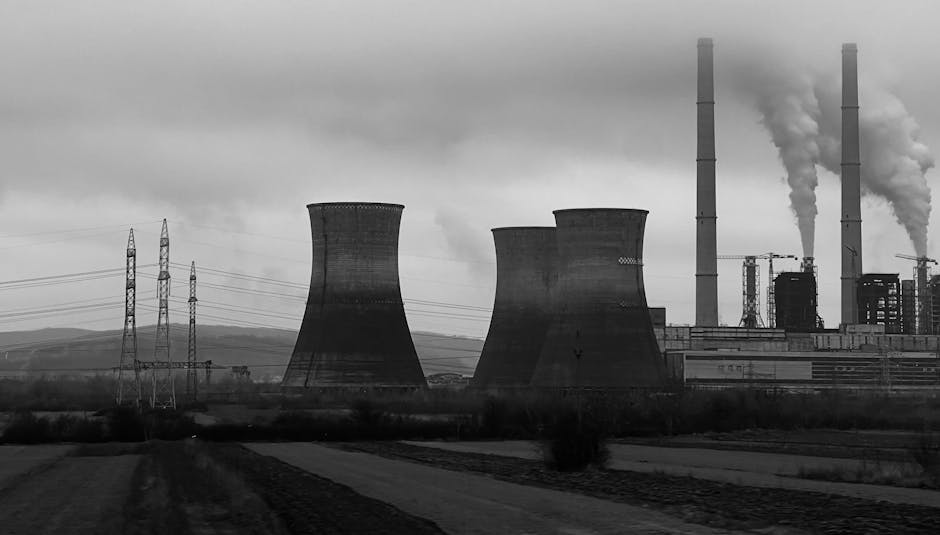
- 57 nations have unified to phase out fossil fuels at Colombia’s Global Summit on Ending Fossil Fuel Production.
- The summit aims to develop binding road maps for phasing out coal, oil, and gas extraction.
- This initiative targets fossil fuel supply, not just demand, setting a precedent for climate strategy.
- Major economies are needed to join the effort to make a significant impact on climate change.
- The summit’s focus on supply-side policies aims to bypass political inertia and achieve more drastic reforms.
The world emits over 36 billion metric tons of carbon dioxide annually, primarily from burning fossil fuels—a rate that continues to outpace climate mitigation efforts. As traditional United Nations climate talks like COP28 show diminishing returns, a pivotal shift emerged in early 2024 when Colombia hosted the first Global Summit on Ending Fossil Fuel Production. Fifty-seven nations, mostly small- and middle-income countries vulnerable to climate impacts, gathered in Bogotá with a unified mandate: to develop binding road maps for phasing out coal, oil, and gas extraction. This initiative marks the most coordinated diplomatic effort yet to target fossil fuel supply—not just demand—setting a precedent that could redefine climate strategy if major economies eventually join.
The Urgency Behind the New Climate Forum

For over three decades, the UN Framework Convention on Climate Change (UNFCCC) has guided international climate policy, culminating in annual COP meetings. Yet despite repeated pledges, global emissions have risen steadily, and fossil fuel production remains subsidized at over $7 trillion annually, according to the International Monetary Fund. The Colombia summit emerged from growing frustration among climate-vulnerable nations that incremental reforms are insufficient. By focusing on supply-side policies—such as moratoriums on new oil and gas projects and phaseout timelines—the summit aimed to bypass the political inertia that has plagued demand-side negotiations. With climate impacts intensifying—from Caribbean hurricanes to Andean glacier loss—participants viewed this as a critical opportunity to build a coalition capable of pressuring larger economies through moral and economic leverage.
Who Attended—and Who Stayed Away

The summit drew representatives from nations across Latin America, Africa, and the Pacific Islands, including Costa Rica, Norway, and Tuvalu, all of which have previously championed aggressive climate policies. Notably absent were the world’s top carbon emitters: China, the United States, India, and Russia. The U.S., despite its reentry into global climate diplomacy under President Biden, declined to attend, citing ongoing domestic challenges in transitioning energy infrastructure. China, the largest producer of coal-fired electricity, also did not send a delegation. Analysts interpret this as a sign of geopolitical caution, as many major economies remain economically dependent on fossil fuel exports or imports. Nevertheless, the participating countries issued the Bogotá Declaration, committing to end new fossil fuel exploration and to align future production with the 1.5°C target of the Paris Agreement by 2030.
Mapping the Path Away from Fossil Fuels

Central to the summit’s agenda was the development of national transition plans that outline concrete steps to reduce fossil fuel output while ensuring energy security and economic stability. Countries like Colombia and Ecuador, traditionally reliant on oil exports, signaled a willingness to pivot toward renewable energy and green hydrogen. Norway, though a major oil exporter, has long invested in carbon capture and offshore wind, offering a model for managed decline. The summit also launched the Fossil Fuel Non-Proliferation Treaty Initiative, inspired by nuclear disarmament frameworks, urging nations to phase out existing production and support developing countries in adopting clean alternatives. Experts from Nature Climate Change have praised the approach as a potential game-changer, arguing that targeting supply could close the ’emissions gap’ more effectively than demand-side policies alone.
Implications for Global Energy and Equity

If expanded, the coalition’s strategy could reshape global energy markets and climate diplomacy. Developing nations, long marginalized in climate negotiations, are now asserting leadership on mitigation. However, the transition raises complex equity issues: countries with minimal historical emissions are being asked to forgo fossil fuel development that wealthier nations once used to industrialize. The summit emphasized the need for financial and technological support from high-income countries, echoing long-standing calls for climate justice. Without such support, critics warn that unilateral phaseouts could exacerbate poverty and energy insecurity in the Global South. Moreover, the absence of major producers threatens to undermine the initiative’s global reach, potentially creating carbon leakage as demand shifts to non-participating nations.
Expert Perspectives
Reactions to the summit have been mixed among climate scientists and policy analysts. Dr. Fatih Birol, Executive Director of the International Energy Agency, described the effort as ‘bold but incomplete without G20 participation.’ Others, like climate economist Dr. Jason Hickel, argue that ‘the era of relying on COP negotiations is over—we need alternative coalitions to drive change.’ Skeptics caution that without enforceable mechanisms or financial backing, the declarations may remain symbolic. Still, the momentum among smaller nations is seen as a potential catalyst, capable of shifting public opinion and investor behavior even in the absence of superpower engagement.
Looking ahead, the success of the Colombia summit hinges on whether it can evolve into a sustained diplomatic force. Follow-up meetings are planned in Kenya and Vanuatu, aiming to broaden participation and integrate just transition frameworks. A key test will be whether any major fossil fuel producers join by 2025. Meanwhile, investors and energy markets are watching closely, as coordinated phaseouts could accelerate the devaluation of oil and gas assets. The fundamental question remains: can a coalition of nations on the climate frontlines compel the world’s largest emitters to act—or will the fossil fuel era persist by default?
Source: New Scientist