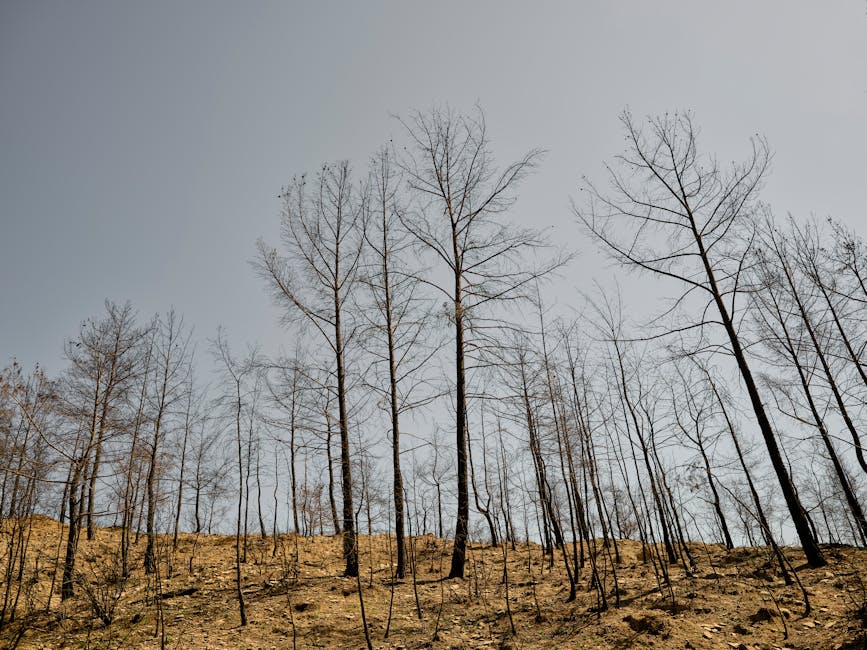
- Northern Ireland has seen a 60% increase in ‘fire weather’ days since 2000, driven by rising temperatures and altered precipitation patterns.
- Spring droughts are now occurring more frequently in Northern Ireland, drying out peatlands, grasslands, and heathlands that once resisted ignition.
- Emergency services in Northern Ireland are facing increased challenges due to the rising number of wildfires.
- Peat soils, which cover nearly 20% of Northern Ireland’s land area, are increasingly vulnerable to ignition and fire damage.
- Climate change is reshaping land management strategies across Northern Ireland, with a focus on mitigating the risks of uncontrolled blazes.
Northern Ireland is confronting an escalating threat from wildfires, driven by a discernible shift in climate patterns. Spring droughts are now occurring more frequently, drying out peatlands, grasslands, and heathlands that once resisted ignition. Combined with a 60% increase in ‘fire weather’—a metric combining heat, low humidity, and wind—since 2000, these conditions have created ideal environments for uncontrolled blazes, challenging emergency services and reshaping land management strategies across the region.
Fire Weather and Drought Frequency on the Rise

Data from the UK Met Office and the Northern Ireland Environment Agency (NIEA) show a marked increase in meteorological conditions conducive to wildfires. Between 1980 and 2000, the region averaged 12 days per year with elevated fire danger. From 2001 to 2023, that number rose to 19 days annually, with some years exceeding 25. The most concerning trend is the concentration of these days in spring—March through May—when vegetation is dry but not yet green. A 2022 study published in Nature Climate Change attributed this shift to rising temperatures and altered precipitation patterns across the North Atlantic. Peat soils, which cover nearly 20% of Northern Ireland’s land area and store vast amounts of carbon, are increasingly vulnerable to ignition, with even small fires releasing decades’ worth of sequestered emissions.
Key Players: Agencies, Landowners, and Climate Scientists

The Northern Ireland Fire and Rescue Service (NIFRS) has reported a 45% increase in wildfire call-outs over the past decade, with major incidents in the Sperrin Mountains and the Mournes straining resources. NIFRS now collaborates with the NIEA and the Agri-Food and Biosciences Institute (AFBI) on early-warning systems and prescribed burning protocols. Meanwhile, upland landowners and grouse moor managers face scrutiny over land use practices that may inadvertently increase fire risk, such as drainage and vegetation management. Climate scientists at Queen’s University Belfast are leading regional modeling efforts to project fire danger under various warming scenarios, providing critical input for policy. Their findings, shared with the UK Climate Change Committee, highlight Northern Ireland’s lag in wildfire preparedness compared to Scotland and England, which have formal wildfire risk registers and dedicated response frameworks.
Trade-offs Between Land Use, Carbon Storage, and Safety

The intensifying wildfire risk forces difficult trade-offs between conservation, rural livelihoods, and climate goals. Prescribed burning, used to manage heather growth for game birds, reduces fuel load but damages peat structure and releases CO₂. Alternatives like mechanical cutting are safer for carbon stocks but cost up to five times more, limiting adoption. Restoring degraded peatlands—a priority under the UK’s net-zero strategy—can reduce flammability by rewetting the soil, yet such projects remain underfunded. Moreover, fire suppression is resource-intensive; a single large blaze can cost over £200,000 in emergency response, diverting funds from prevention. On the other hand, investing in community fire brigades and early detection systems offers long-term savings, though political will and inter-agency coordination remain inconsistent.
Why the Threat Is Emerging Now

The current surge in wildfire risk reflects a convergence of long-term climate trends and acute seasonal extremes. While global warming has steadily increased average temperatures in Northern Ireland by 1.2°C since 1970, recent years have seen unprecedented spring heatwaves, such as April 2023—the hottest in over 70 years. These extremes, supercharged by atmospheric blocking patterns linked to Arctic warming, create short but intense fire windows. Unlike Mediterranean climates where fire is a known hazard, Northern Ireland’s institutions have historically treated wildfires as rare events, leaving infrastructure and policy underdeveloped. The shift is no longer gradual: emergency responders now classify wildfire as a tier-two threat, on par with flooding, signaling a new era of climate-driven fire risk.
Where We Go From Here
In the next 12 months, Northern Ireland could follow one of three paths. In the first, continued inaction leads to a major wildfire impacting a populated area or water source, forcing reactive policy changes. In the second, cross-agency collaboration results in a national wildfire strategy, including real-time monitoring, community training, and targeted peatland restoration. In the third, regional warming accelerates beyond projections, rendering current mitigation efforts inadequate and triggering cascading ecological impacts. The most likely outcome lies between the second and third scenarios, as awareness grows but funding and implementation lag. International models, such as Scotland’s Wildfire Preparedness Programme, offer blueprints, but adaptation must account for Northern Ireland’s unique landscape and governance structure.
Bottom line — without urgent investment in prevention, monitoring, and ecosystem restoration, Northern Ireland will face increasingly destructive wildfires that threaten lives, biodiversity, and climate commitments.
Source: BBC