- A 2025 study links 7 hours of sleep to slower biological aging in adults.
- Researchers found that sleeping between 6.4 and 7.8 hours per night preserves cellular vitality.
- Shorter or longer sleep durations are associated with accelerated aging, up to three years older.
- The study analyzed data from over 78,000 adults, providing a significant sample size.
- Biological aging is measured by molecular wear and tear on cells, not just birthdays.
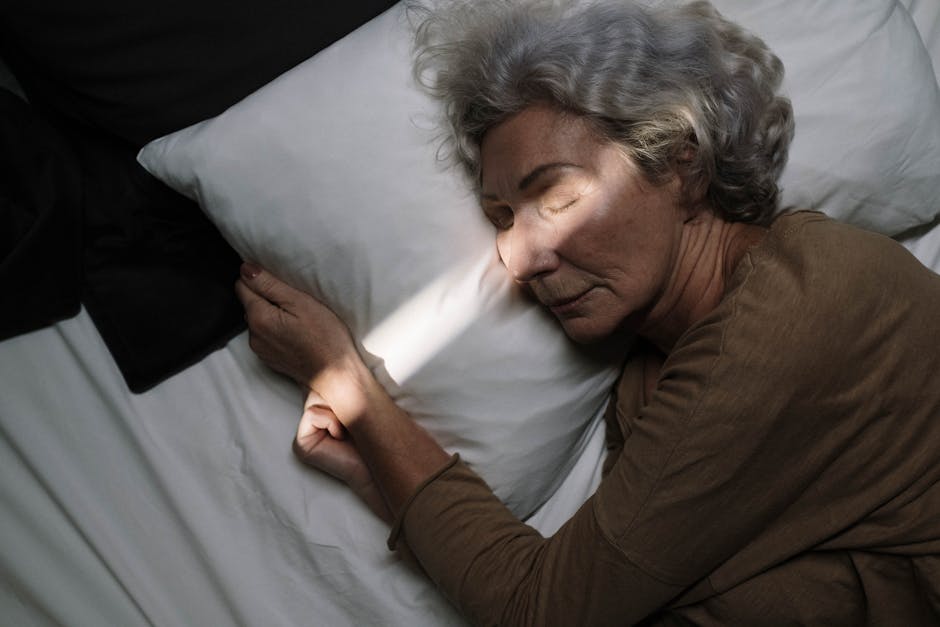
In a quiet bedroom bathed in the dim glow of a streetlight, a woman settles beneath the covers, her breathing slowing as she drifts toward sleep. Her dog curls beside her, ears twitching at distant sounds. This nightly ritual, repeated across millions of homes, may do far more than restore energy—it could be shaping the very pace at which she ages. Recent research suggests that the duration of sleep isn’t just a matter of feeling rested; it may directly influence biological aging, a process measured not by birthdays but by the molecular wear and tear on cells. Across the brain, liver, and cardiovascular system, sleep appears to act as a silent regulator, tuning the body’s internal clock in ways that either preserve or erode vitality over time.
The Sleep Duration ‘Sweet Spot’ for Slower Aging

A 2025 study published in Nature Aging analyzed data from over 78,000 adults and found that those who slept between 6.4 and 7.8 hours per night exhibited the slowest rates of biological aging. Using epigenetic clocks—molecular markers that track cellular aging based on DNA methylation patterns—researchers discovered that both shorter and longer sleep durations were associated with accelerated aging. Participants who consistently slept less than six hours or more than eight hours showed biological ages up to three years older than their chronological ages. The findings held after adjusting for factors like diet, physical activity, smoking, and socioeconomic status. This sleep ‘sweet spot’ correlated not only with healthier brain structure but also with improved metabolic function and reduced inflammation, suggesting a systemic effect on the body’s resilience.
How We Got Here: The Evolution of Sleep and Aging Research

For decades, scientists have linked poor sleep to chronic conditions like Alzheimer’s disease, diabetes, and heart disease, but only recently have tools emerged to measure its impact on biological aging directly. The development of epigenetic clocks, starting with Steve Horvath’s 2013 multi-tissue aging algorithm, allowed researchers to quantify aging beyond chronological years. Early studies focused on sleep disorders like insomnia and sleep apnea, but the new research shifts focus to sleep duration in the general population. Previous work from the UK Biobank had already flagged sleep as a predictor of mortality and neurodegeneration, but this study goes further by mapping sleep patterns onto precise biomarkers of aging. It builds on animal research showing that sleep deprivation disrupts autophagy—the cellular cleanup process—while excessive sleep may reflect underlying metabolic dysfunction, both of which accelerate aging at the molecular level.
The Scientists Behind the Discovery

The study was led by Dr. Li Chen, a chronobiologist at the University of Hong Kong, and a team of geneticists and public health researchers who combined epidemiological data with cutting-edge epigenetic analysis. Motivated by rising global rates of sleep disruption and aging populations, the team sought to identify modifiable lifestyle factors that could delay biological decline. Dr. Chen, who has spent over a decade studying circadian rhythms, emphasized that sleep isn’t a luxury but a biological necessity for cellular repair. The researchers collaborated with institutions in the U.S. and Europe to validate their findings across diverse populations, ensuring the results weren’t skewed by genetic or environmental outliers. Their work reflects a growing consensus in the medical community that sleep hygiene should be treated with the same seriousness as diet and exercise in preventive health.
Consequences for Public Health and Individual Wellness

The implications of this research are profound. If sleep duration directly influences the rate of biological aging, then public health campaigns may need to shift from promoting ‘eight hours a night’ as a universal rule to advocating for personalized sleep targets within the 6.4 to 7.8-hour range. For older adults, maintaining optimal sleep could delay cognitive decline and extend healthspan—the period of life spent free from chronic disease. Clinicians may soon use epigenetic testing to guide sleep interventions, especially for patients showing signs of accelerated aging. Meanwhile, wearable sleep trackers, once dismissed as consumer gadgets, could become tools for monitoring biological age in real time, empowering individuals to adjust habits before damage accumulates.
The Bigger Picture
This study underscores a fundamental shift in how we understand aging—not as an inevitable decline, but as a malleable process influenced by daily choices. Sleep, long undervalued in fast-paced modern life, emerges as a powerful lever for longevity. The findings also challenge the notion that more rest is always better, highlighting the risks of oversleeping, which may signal depression, sedentary behavior, or undiagnosed illness. In a world where burnout and sleep deprivation are normalized, the science is clear: protecting sleep is protecting the body’s ability to renew itself.
What comes next is a reevaluation of sleep’s role in preventive medicine. Future research will explore whether improving sleep duration can reverse epigenetic aging markers, and whether interventions like cognitive behavioral therapy for insomnia or light therapy can slow biological decline. As the line between lifestyle and longevity blurs, one truth becomes undeniable: the path to a longer, healthier life may begin not with a pill, but with turning off the lights.
Source: Healthline