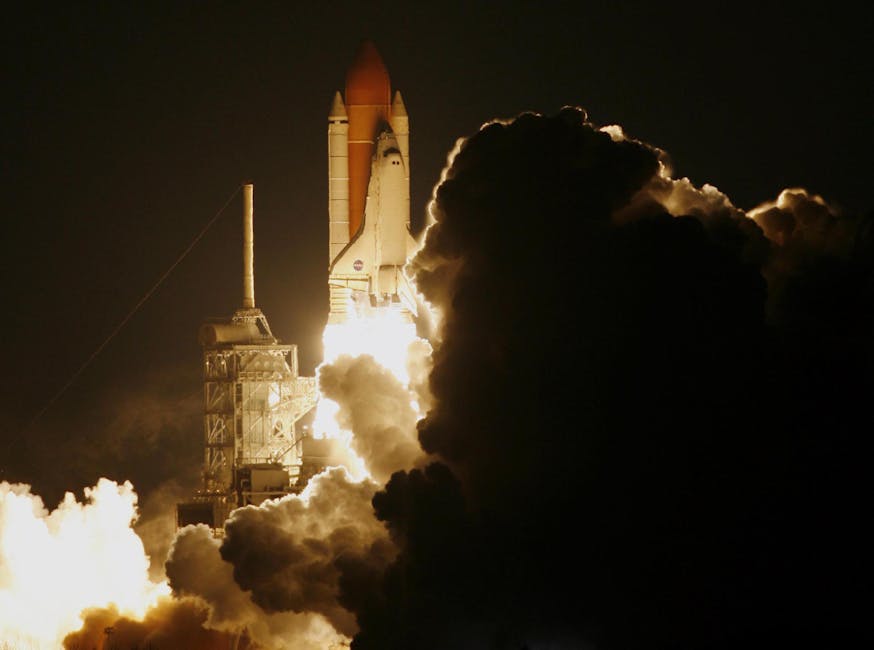
- SpaceX’s Starship Super Heavy rocket stands at 121 meters and produces over 16 million pounds of thrust.
- The Starship iteration features enhanced heat shielding, improved engine reliability, and refined stage separation mechanisms.
- The Super Heavy booster generates more than double the thrust of the Saturn V rocket that powered Apollo missions.
- Starship uses liquid methane and oxygen, a departure from traditional rocket fuels that supports future Mars missions.
- The Starship launch aims to validate critical technologies for NASA’s Artemis program and return humans to the lunar surface by 2028.
SpaceX is on the verge of launching the most powerful and tallest rocket in human history, marking a transformative moment in space exploration. The Starship Super Heavy vehicle, standing at 121 meters and producing over 16 million pounds of thrust, is scheduled for its next integrated flight test within days. If successful, this launch will validate critical technologies for NASA’s Artemis program, which aims to return humans to the lunar surface by 2028 and establish a sustainable presence on the Moon.
Unprecedented Scale and Performance Data

The upcoming Starship iteration, designated Flight Test 4, features significant upgrades over previous prototypes, including enhanced heat shielding, improved engine reliability, and refined stage separation mechanisms. According to SpaceX’s Federal Aviation Administration filings, the Super Heavy booster generates approximately 16.7 million pounds of thrust at liftoff—more than double the Saturn V that powered Apollo missions. The vehicle’s 33 Raptor engines burn liquid methane and oxygen, a departure from traditional rocket fuels that supports future in-situ resource utilization on Mars. Flight data from prior tests, accessible via NASA’s public launch archives, show Starship achieved suborbital trajectories up to 150 kilometers, with partial success in controlled descent maneuvers. This next launch aims for full orbital insertion and controlled splashdown, a milestone that would demonstrate end-to-end mission viability.
Key Players and Their Strategic Roles

SpaceX, led by CEO Elon Musk, remains the primary developer and operator of the Starship system, investing billions in infrastructure at Starbase, Texas. NASA, however, is a crucial partner, having committed over $4 billion through the Human Landing System (HLS) contract to adapt Starship for crewed lunar landings. The space agency’s Artemis III mission, currently scheduled for no earlier than 2028, depends on a modified Starship HLS variant to ferry astronauts from lunar orbit to the Moon’s surface. Meanwhile, the U.S. Space Force has expressed interest in Starship for rapid global logistics and national security payloads, while international collaborators like the European Space Agency monitor its progress for potential integration into deep-space infrastructure. Regulatory oversight falls to the FAA, which must certify public safety and environmental compliance before each launch.
Strategic Trade-Offs in Innovation and Risk

The Starship program embodies high-risk, high-reward engineering. Its stainless-steel construction and rapid iterative testing contrast sharply with traditional aerospace conservatism, enabling faster development but increasing the likelihood of failures—evident in the first three flights, all ending in mid-air disintegration or loss of vehicle. However, each test has yielded valuable data, with successive versions demonstrating improved control systems and structural resilience. The benefits extend beyond lunar ambitions: a fully reusable Starship could reduce launch costs to under $10 million per flight, revolutionizing satellite deployment, space science, and interplanetary missions. Yet environmental and regulatory concerns persist, particularly regarding noise pollution, coastal habitat disruption at Starbase, and orbital debris from frequent launches. Balancing innovation with accountability remains a central challenge for both SpaceX and its federal partners.
Why This Launch Comes at a Critical Juncture

This launch occurs at a pivotal moment for U.S. space policy, as NASA transitions from Artemis I’s uncrewed success to the complex logistics of crewed lunar missions. Delays in the Orion spacecraft service module and the Lunar Gateway station have placed greater pressure on Starship to meet its milestones. Moreover, geopolitical competition with China’s expanding space capabilities—including its planned 2030 crewed Moon landing—has intensified the strategic importance of demonstrating reliable deep-space transport. The timing also reflects advancements in manufacturing and propulsion; SpaceX now produces a Raptor engine nearly every day, a rate that was unimaginable five years ago. These factors converge to make Flight Test 4 not just a technical trial, but a geopolitical and programmatic inflection point.
Where We Go From Here
Over the next six to twelve months, three plausible scenarios emerge. In the best-case, Flight Test 4 achieves full mission success, paving the way for a fifth test involving in-orbit propellant transfer—a prerequisite for lunar missions—by mid-2025. A moderate outcome sees partial success with data sufficient to refine systems, pushing key Artemis milestones into 2029. In the worst case, a catastrophic failure triggers extended regulatory review, delaying the program by years. Regardless, SpaceX is building multiple Starship variants simultaneously, including crewed, cargo, and tanker models, ensuring continued momentum. Parallel development of orbital refueling infrastructure and lunar landing pads will shape the feasibility of long-term lunar operations.
Bottom line — the success of SpaceX’s next Starship launch could redefine humanity’s reach in space, determining whether the U.S.-led return to the Moon remains on schedule or faces prolonged delays amid technical and political headwinds.
Source: New Scientist