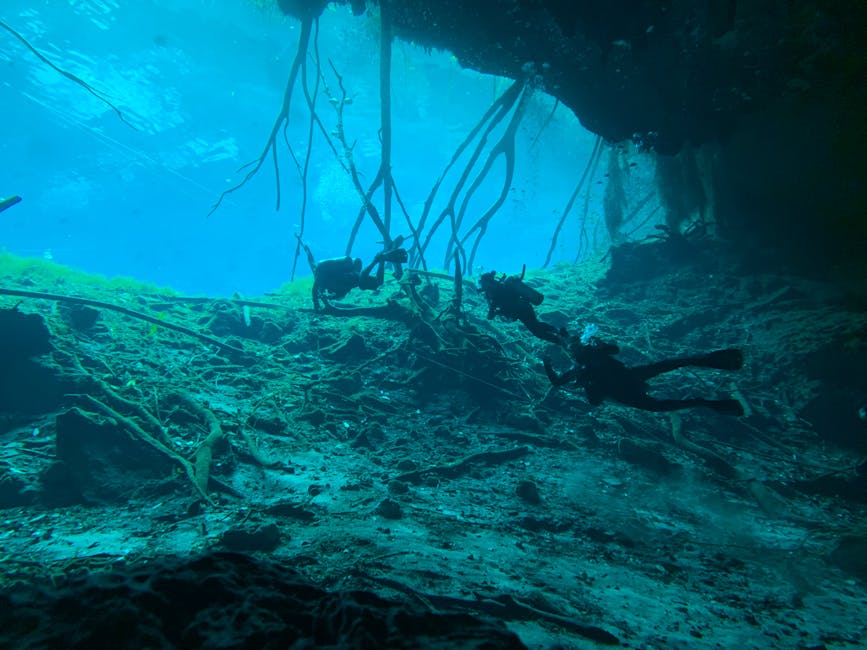
- A Maldivian rescue diver died during a cave rescue effort in the Baa Atoll, highlighting the risks faced by first responders in extreme environments.
- The incident underscores the danger of underwater cave diving, particularly in remote island nations with limited infrastructure and emergency response capabilities.
- Proper safety equipment and local guidance are crucial for safe cave diving, as illustrated by the deaths of two Italian tourists in the Maldives.
- The Maldivian authorities have confirmed that the Italian couple ignored warnings about the cave’s hazards before entering the submerged area.
- The death of the rescue diver has prompted national mourning and renewed scrutiny over safety protocols in high-risk rescue operations.
In a tragic twist to an already devastating incident, Maldivian rescue diver Staff Sergeant Mohamed Mahdhee has died while attempting to recover the bodies of two Italian tourists who drowned in an underwater cave system near the island of Dharavandhoo in the Baa Atoll. The Maldives’ National Security Service confirmed Mahdhee’s death, marking a somber reminder of the life-threatening risks faced by first responders in extreme environments. Despite advanced training and equipment, the labyrinthine cave system — known for its narrow passages, sudden drop-offs, and limited visibility — proved fatal even for a professional diver. The incident underscores the perilous nature of underwater search and recovery missions, particularly in remote island nations where infrastructure and emergency response capabilities are stretched thin. Mahdhee’s death has prompted national mourning and renewed scrutiny over safety protocols in high-risk rescue operations.
Rising Danger in Recreational Cave Diving

The death of Staff Sergeant Mahdhee follows the drowning of the two Italian nationals — identified as a man and woman in their 30s — who ventured into the submerged cave without proper safety equipment or local guidance. According to Maldivian authorities, the couple ignored warnings about the site’s hazards and entered the cave during low tide when water levels and currents become unpredictable. Cave diving, while growing in popularity among adventure tourists, is one of the most dangerous forms of recreational diving due to confined spaces, disorientation risks, and the impossibility of direct ascent to the surface. The Maldives, renowned for its coral reefs and open-water diving, is less equipped to manage cave-specific emergencies, which require specialized gear and training. This incident has spotlighted the gap between tourist expectations and on-the-ground safety enforcement in fragile island ecosystems.
The Fatal Search Operation

After the Italians were reported missing, a multi-agency rescue team was mobilized, including members of the Maldives National Defence Force, police divers, and volunteer cave diving experts. Staff Sergeant Mahdhee, a seasoned diver with over a decade of service, was part of the team tasked with navigating the narrow, silt-filled tunnels where the tourists were last seen. On the third day of the search, Mahdhee lost contact with his team while attempting to maneuver through a particularly tight passage at a depth of approximately 25 meters. His body was recovered hours later after a risky retrieval operation involving decompression stops. Preliminary reports suggest he may have suffered from nitrogen narcosis or equipment entanglement, though a full investigation is underway. The bodies of the Italian tourists have not yet been recovered, and authorities have suspended further dives pending a safety review.
Why These Caves Are So Deadly

Underwater caves in the Maldives, formed by centuries of coral erosion and sea-level shifts, are particularly treacherous due to their geological complexity and lack of natural light. Unlike open-water diving, cave diving requires redundant air supplies, guideline reels, and precise navigation skills to avoid becoming disoriented. In the Baa Atoll, where the incident occurred, cave systems often feature silt-covered floors that can reduce visibility to zero with the slightest movement. According to BBC reports, such conditions increase the risk of panic, air depletion, and fatal errors. Experts note that even experienced divers can succumb to the psychological pressure of confined, dark spaces. The absence of dedicated cave rescue units in the Maldives further compounds the danger, forcing military and police divers — trained primarily for open-water operations — to operate beyond their standard protocols.
Impact on Families and National Policy

The dual tragedy has left families in both the Maldives and Italy grieving. The Italian Foreign Ministry has dispatched consular officials to assist with repatriation efforts, while the Maldivian government has ordered a formal inquiry into the rescue operation. President Mohamed Muizzu expressed condolences to both families and praised Mahdhee as a national hero. His death has sparked public debate about whether the country should impose stricter regulations on high-risk tourism activities, including mandatory permits and certified guides for cave diving. With tourism accounting for over 60% of the Maldives’ GDP, balancing visitor freedom with safety is a delicate challenge. Local dive operators warn that overregulation could deter adventure seekers, but others argue that without better oversight, such tragedies may recur.
Expert Perspectives
Diving safety experts are divided on how best to prevent future incidents. Dr. Anna Petroni, a marine safety researcher at Nature, argues that “remote destinations like the Maldives need international support to build specialized rescue capabilities.” Conversely, some veteran cave divers believe personal responsibility should prevail: “No amount of regulation can eliminate risk when individuals ignore known dangers,” said one instructor from the Global Underwater Explorers network. The consensus, however, is that better public awareness and real-time monitoring systems could reduce fatalities.
As the Maldivian government reviews its emergency response framework, questions remain about how to protect both tourists and rescuers. Will this tragedy lead to mandatory risk assessments for cave diving? Can regional cooperation enhance rescue readiness? For now, the loss of Staff Sergeant Mahdhee stands as a stark testament to the hidden costs of adventure tourism in some of the world’s most beautiful — and dangerous — underwater landscapes.
Source: BBC