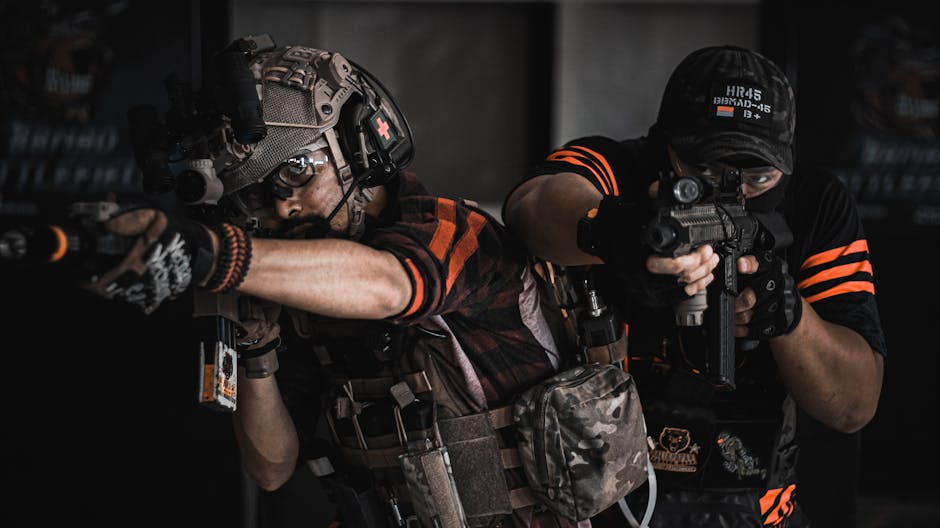
- A Russian vigilante group, ‘Moral Code,’ raided a birthday party in Moscow, sparking national outrage over the brutal treatment of guests.
- The group, self-styled as a unit upholding traditional values, detained 17 attendees, including minors, and filmed the operation for social media.
- The raid highlights the growing concern over vigilantism and the lack of accountability in Russia, where such groups operate with seeming impunity.
- The incident has raised questions about the role of law enforcement in Russia, with many wondering why official charges were not filed against the vigilante group.
- The birthday party raid has become a symbol of the erosion of civil liberties and the increasing polarization of Russian society.
It was supposed to be a quiet evening of laughter and champagne. Candles flickered atop a cake decorated with pink frosting and the number 32. Friends clinked glasses in a rented dacha on the forested outskirts of Moscow, celebrating one woman’s birthday with music, embraces, and the kind of unguarded joy that feels increasingly rare in today’s Russia. Then, without warning, the door splintered open. Men in black tactical gear and balaclavas stormed in, shouting orders, shoving guests against the walls. One woman screamed as her arm was wrenched behind her back; another sobbed while being dragged across the floor. The cake was trampled. Phones were seized. Within minutes, the celebration was over — replaced by bruises, trauma, and a growing national reckoning over who, exactly, these men in masks answer to.
Vigilante Squad Raid Sparks National Outrage

The raid on the birthday party in the village of Barvikha occurred in early September and was carried out by a group calling itself “Moral Code,” a self-styled vigilante unit that claims to uphold traditional values and combat what it describes as “decadent Western influences.” According to witness accounts compiled by Reuters, the group detained 17 attendees, including minors, and filmed the operation for social media. While no official charges were filed, several participants were later questioned by local police about alleged administrative violations, including alcohol consumption and disorderly conduct. Human rights advocates have condemned the incident as a textbook case of extrajudicial enforcement, with the Moscow Helsinki Group calling it “a terrifying fusion of public morality policing and private violence.” The video footage, which quickly went viral, shows masked men brandishing batons and accusing guests of “spreading degeneracy.”
Roots of Russia’s Vigilante Surge

The rise of groups like Moral Code did not happen in isolation. Over the past decade, Russian authorities have increasingly promoted conservative social policies, from anti-LGBTQ+ laws to state-backed campaigns against “foreign agents” and “non-traditional lifestyles.” In 2013, Russia passed its controversial “gay propaganda” law, which has since been expanded to include all minors and any content deemed morally corrupting. This legal climate has emboldened citizen-led enforcement efforts, often with implicit state approval. Similar vigilante actions have been reported in cities like Yekaterinburg and Krasnodar, where self-appointed morality patrols have disrupted art exhibitions, raided LGBTQ+ gatherings, and even intercepted shipments of books deemed ideologically suspect. These groups often operate in a legal gray zone, neither formally recognized nor disavowed by the government — a deliberate ambiguity that allows officials to maintain plausible deniability while benefiting from the social control these squads exert.
Who Is Behind the Masks?

The individuals leading these vigilante operations are often former military or law enforcement personnel, or nationalists with ties to pro-Kremlin youth organizations. Moral Code’s leader, known only by the pseudonym “Colonel Volkov,” has appeared in online videos citing patriotism and Orthodox Christian values as his motivation. In one widely shared statement, he declared, “The state cannot watch every home, so true patriots must act.” Investigators have traced financial and logistical support for such groups to shadowy donors with links to regional security services, though definitive proof of direct state sponsorship remains elusive. What is clear is that these squads enjoy unusual access to information — including private guest lists and rental agreements — suggesting coordination with local authorities. For many ordinary Russians, the line between official law enforcement and vigilante action is blurring, creating an atmosphere of fear and self-censorship in both public and private life.
Consequences of Citizen Policing

The implications of this trend extend far beyond one raided birthday party. Legal experts warn that unchecked vigilante groups undermine the rule of law and create a parallel system of justice based on ideology rather than due process. Victims of such raids often face social stigma and are reluctant to report abuses, fearing retaliation or public shaming. Women, LGBTQ+ individuals, and young people are disproportionately targeted. Meanwhile, the state’s refusal to condemn or dismantle these groups sends a chilling message: conformity to state-sanctioned morality is not just expected — it is now being enforced by citizens armed with batons and smartphone cameras. International human rights organizations, including Amnesty International, have urged the Kremlin to intervene, warning that unchecked vigilantism could escalate into broader societal violence.
The Bigger Picture
This is not merely a story about a birthday party gone wrong — it is a symptom of a deeper transformation in Russian society, where surveillance, moral policing, and state-backed nationalism are reshaping the boundaries of personal freedom. As formal institutions weaken, informal enforcers fill the void, turning private behavior into political acts. The global rise of moral panic and digital vigilantism finds a potent echo in Russia, where the fusion of authoritarianism and traditionalism has created fertile ground for citizen-led repression. When the state outsources its ideology enforcement to masked civilians, it doesn’t just erode justice — it normalizes fear.
What comes next may depend on whether Russian society pushes back. Some activists are organizing legal defense networks and documenting raids to build pressure for accountability. But as long as these groups operate with impunity — and as long as the state continues to reward loyalty over legality — the next raid could be anywhere: a concert, a classroom, or another birthday party where the only crime was joy.
Source: BBC